Trois jours à La Canée : la ville, la côte et une grande sortie
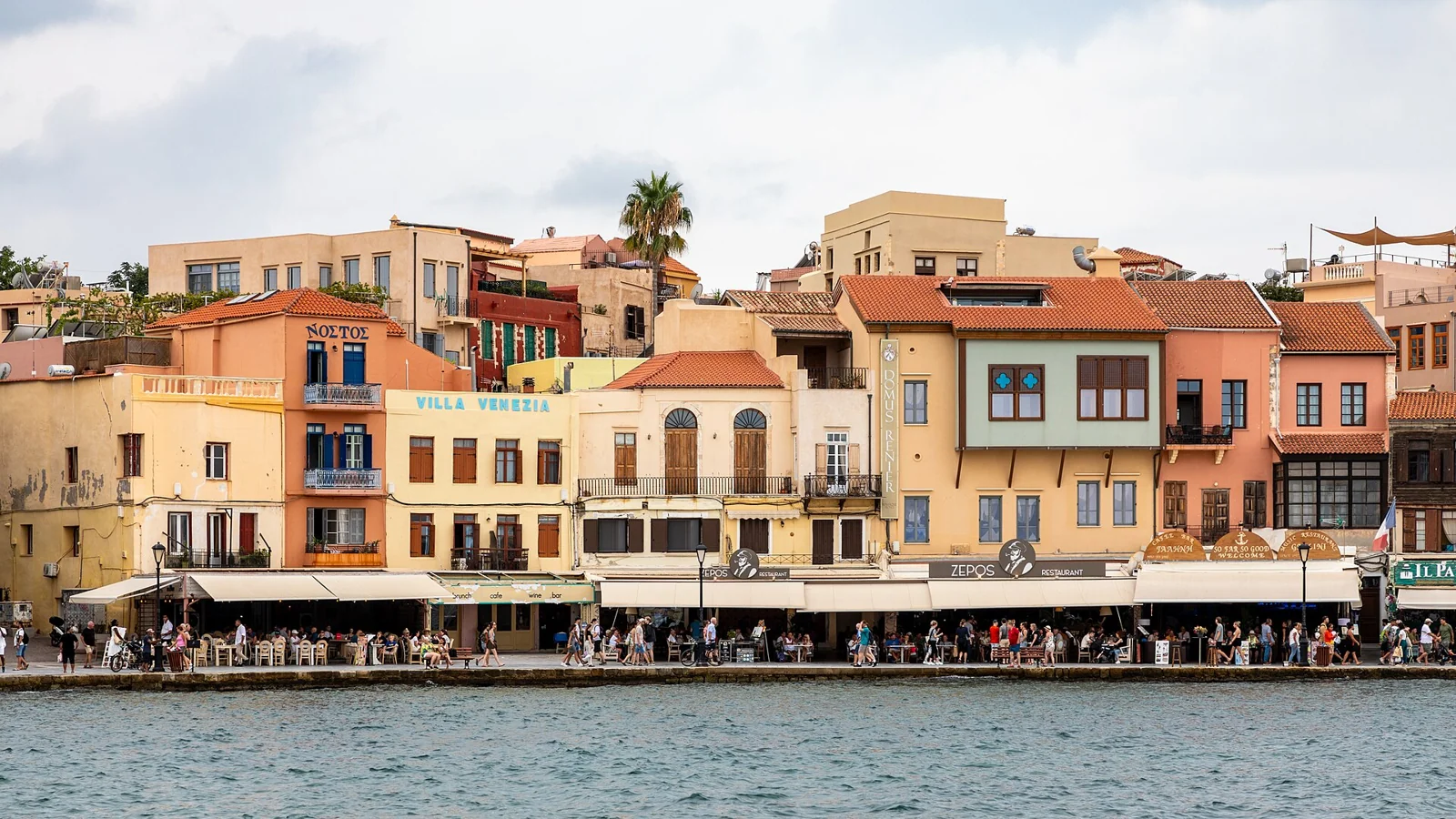
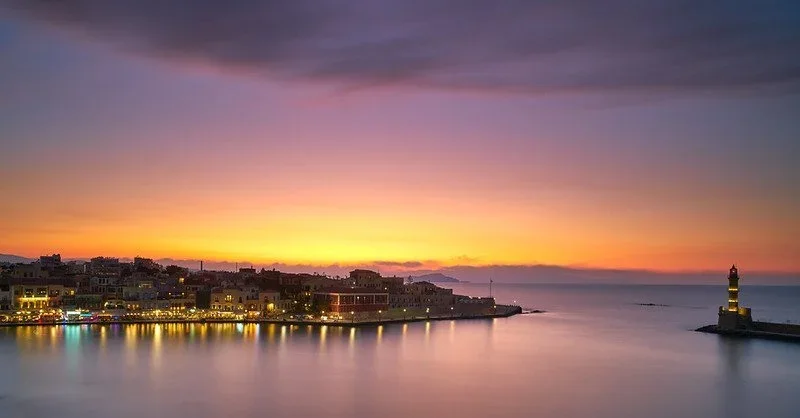
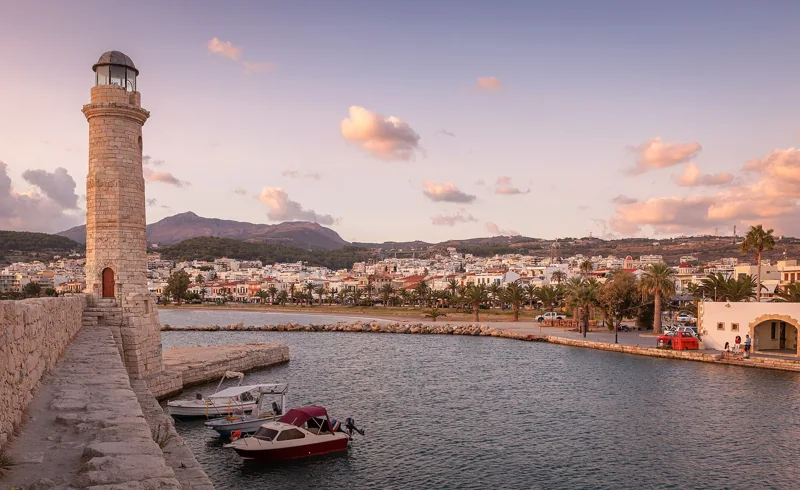
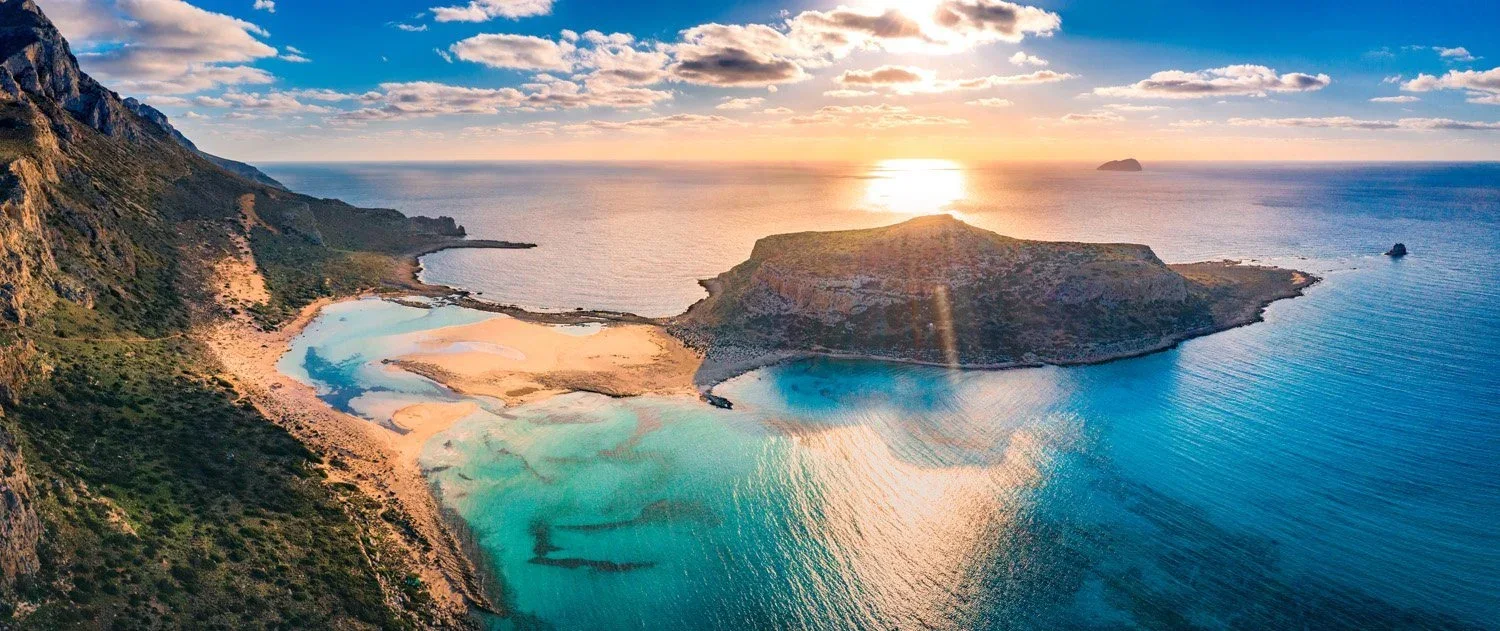
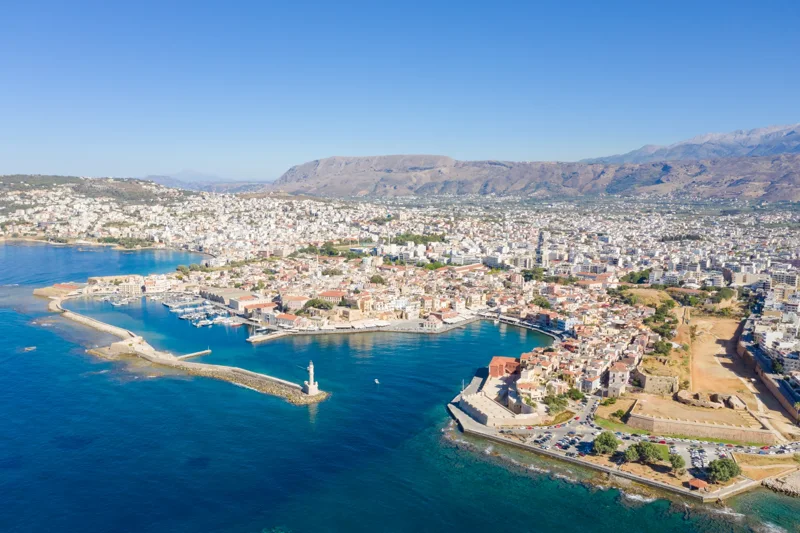
Un programme de trois jours à La Canée : jour un dans la vieille ville et le port, jour deux sur Akrotiri ou la côte voisine, jour trois pour Samaria, Balos ou Elafonissi.
54 guides
Aucun guide ne correspond. Essayez un autre nom ou parcourez tous les guides.

Un programme de trois jours à La Canée : jour un dans la vieille ville et le port, jour deux sur Akrotiri ou la côte voisine, jour trois pour Samaria, Balos ou Elafonissi.
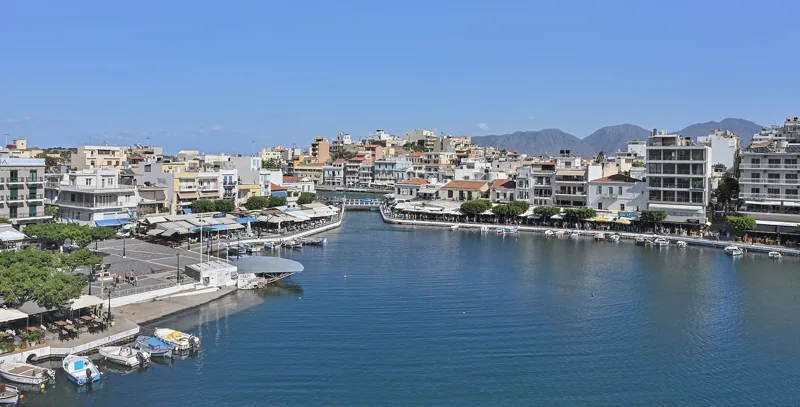
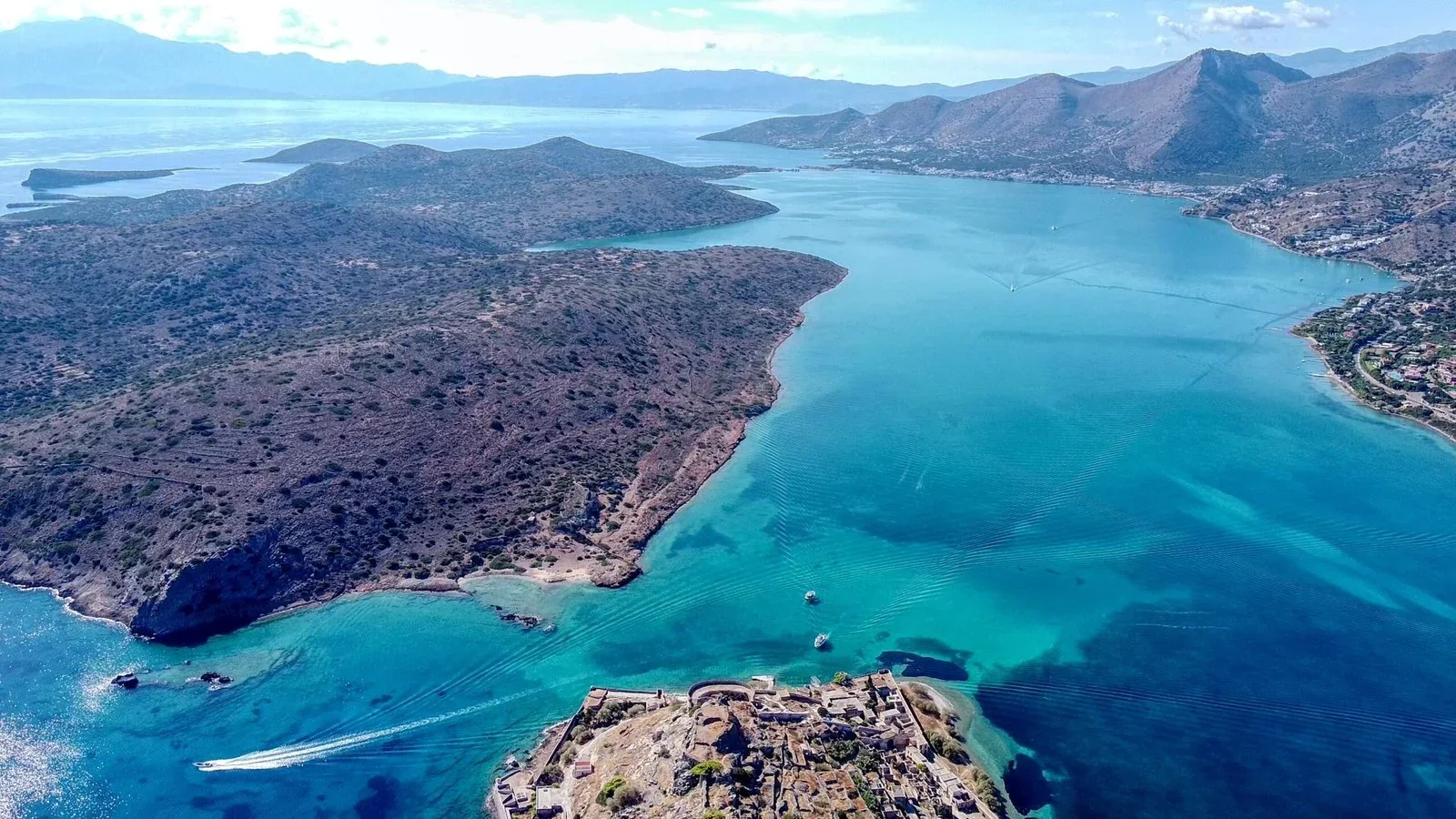
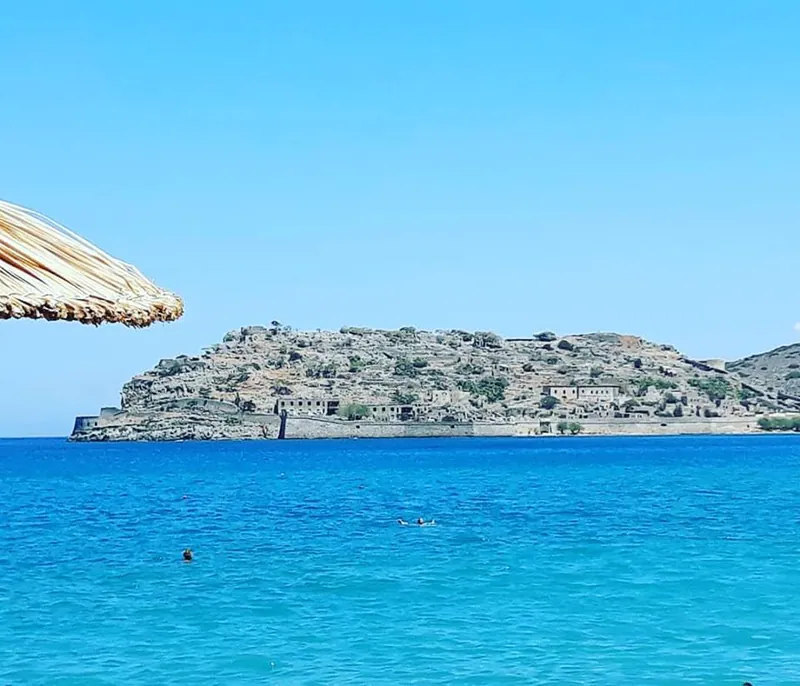
Elounda, à 10 km au nord d'Agios Nikolaos : bateaux pour Spinalonga, le canal de Poros et ses moulins, la cité engloutie d'Olous et la plage de Kolokytha.

Paleochora, à 77 km au sud de La Canée : une petite ville sur une presqu'île, avec une plage de sable à l'ouest, une plage de galets à l'est, les ruines du Castel Selino et des ferries pour la côte sud.

Agios Nikolaos sur le golfe de Mirabello : le lac Voulismeni, relié à la mer en 1870, une petite plage urbaine et des excursions faciles vers Elounda, Spinalonga, Kritsa et Lato.

Conduire en Crète expliqué par des habitants : usages sur la route nationale, routes de montagne, pistes et assurance, stationnement à La Canée, carburant et règles à connaître.

Un road trip de 7 jours dans l'ouest de la Crète depuis La Canée : la vieille ville, Balos, Falasarna, Elafonissi, les gorges de Samaria, Loutro et Sfakia, puis Réthymnon ou Preveli.
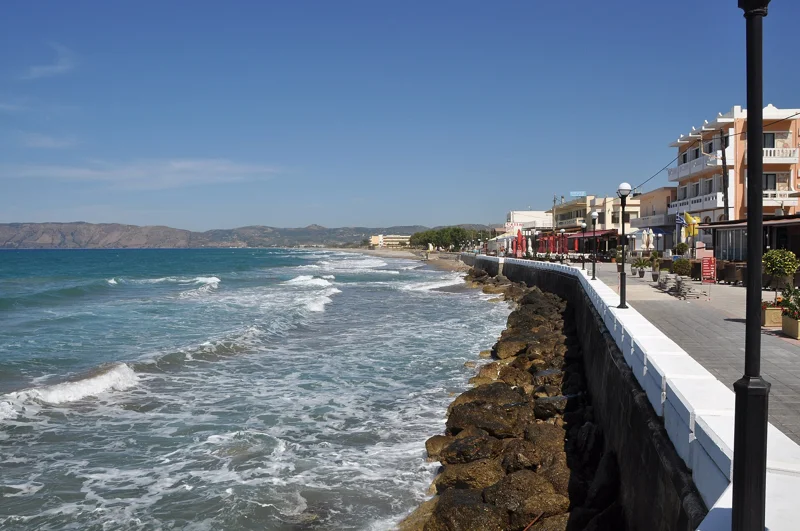
Quand partir en Crète : température de la mer, affluence, prix et météo mois par mois, de la randonnée printanière à la mer chaude de septembre et octobre.
Les meilleures choses à faire à La Canée, choisies par des habitants : port vénitien et vieille ville, marchés, musées, plages, couchers de soleil et meilleures excursions.

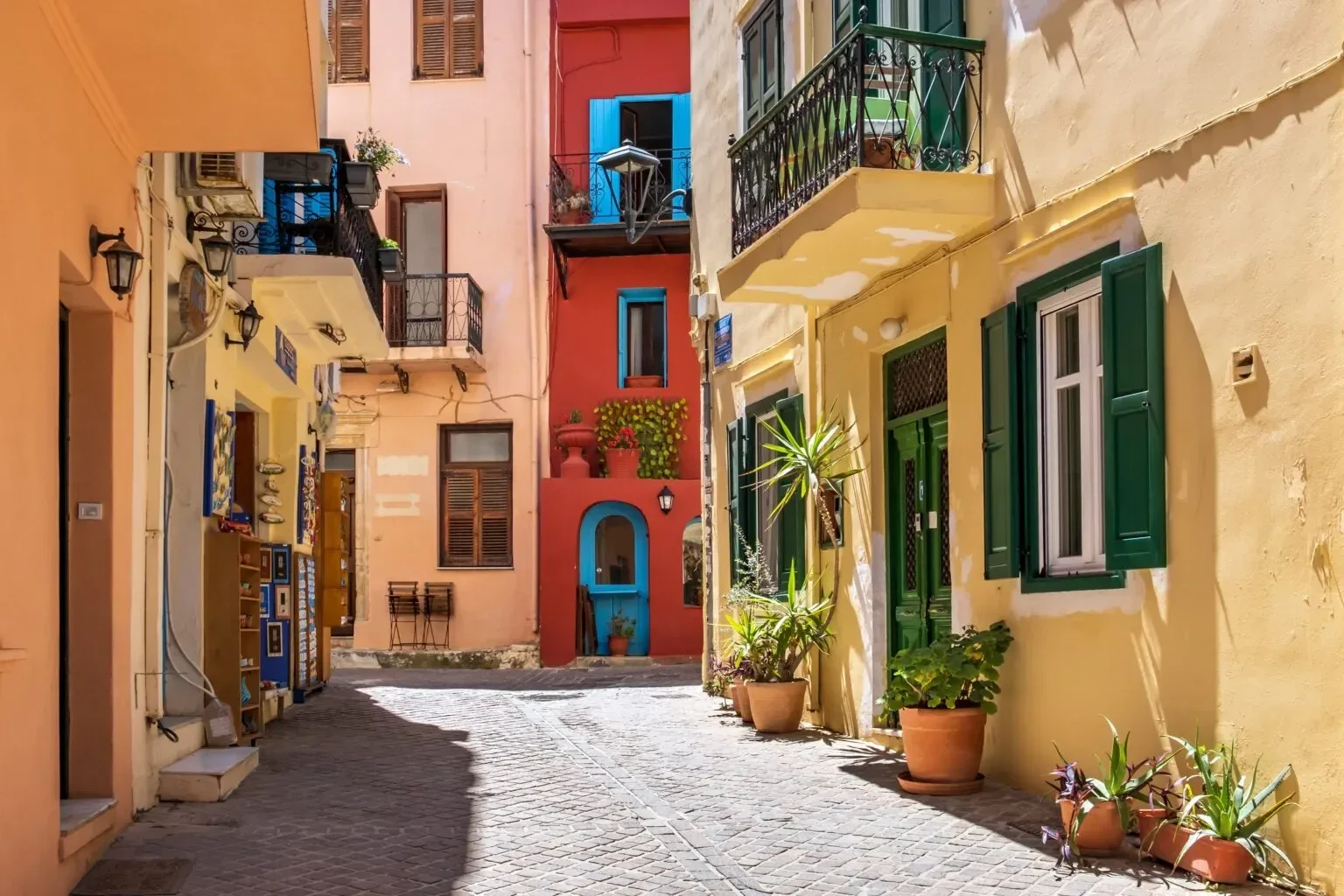
La vieille ville de La Canée à pied : le port vénitien, Topanas, Splantzia, le quartier juif et plus encore. Guide pratique de promenade avec histoire, conseils et regard local

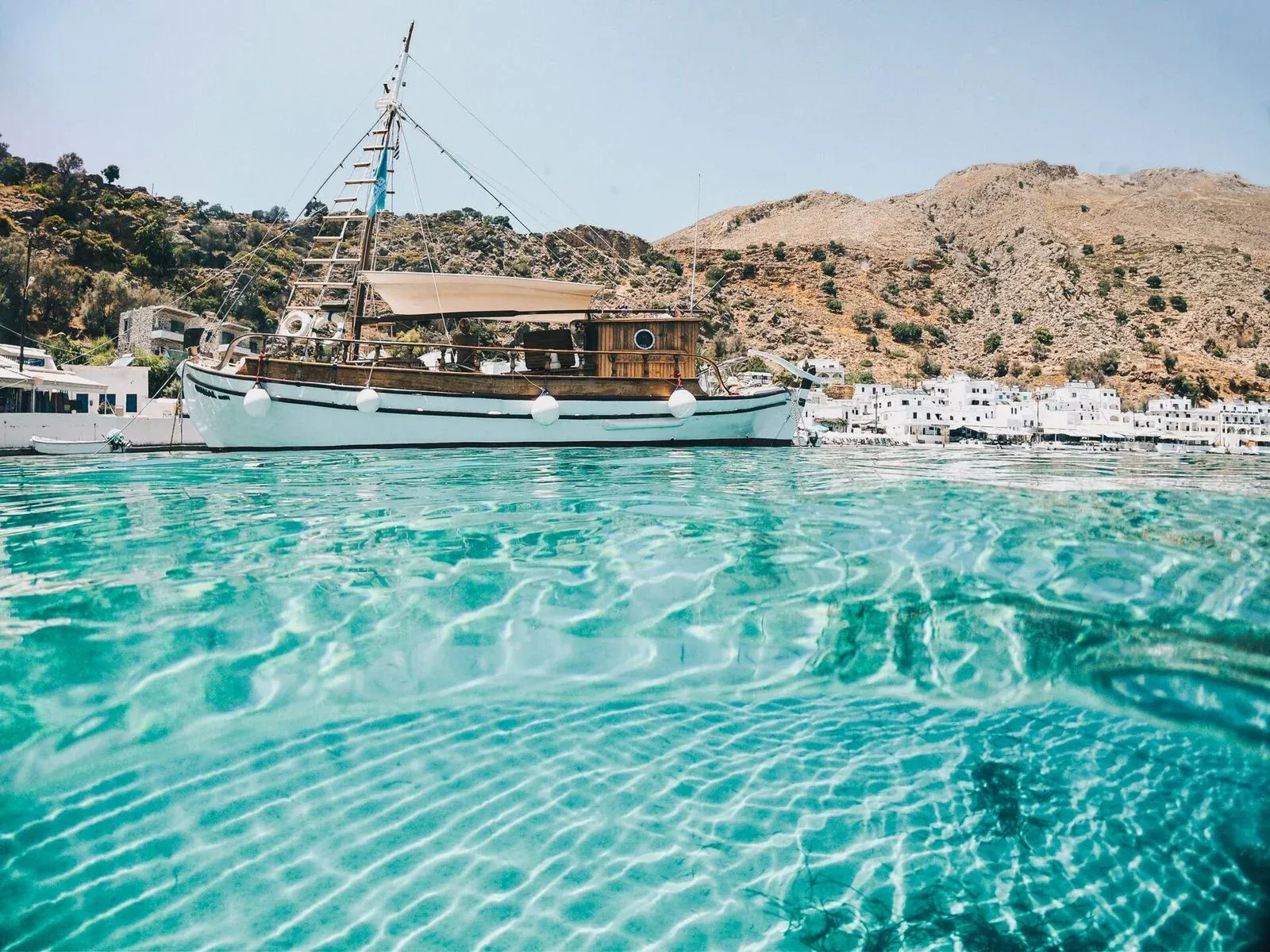
Loutro, à Sfakia dans le sud-ouest de la Crète : un village sans voitures accessible en bateau ou à pied, son port antique et son histoire, les plages voisines et comment s'y rendre.

La Crète est la plus grande des îles grecques et la cinquième île de Méditerranée par sa taille. Riche d'un passé historique et culturel…

Héraklion, capitale de la Crète, près des palais minoens de Cnossos et de Phaistos : son musée, sa forteresse vénitienne et que voir en ville et aux alentours.

Réthymnon en Crète : la vieille ville vénitienne et la forteresse Fortezza, les plages, le monastère d'Arkadi et Preveli tout près. Que voir et que faire dans la région.

Le Lassithi, la région la moins touristique de Crète : Agios Nikolaos, Elounda et Spinalonga, le plateau du Lassithi, Sitia et la plage aux palmiers de Vaï.

Sfakia, dans le sud-ouest de la Crète : le village historique de Chora Sfakion au-dessus de la mer de Libye, les gorges d'Imbros et la région sauvage qui l'entoure.

La Canée est une ville vivante, au pouls bien marqué. Installé à la terrasse d'un café sur le vieux port, vous goûtez aux bruits, aux odeurs et aux couleurs, le…

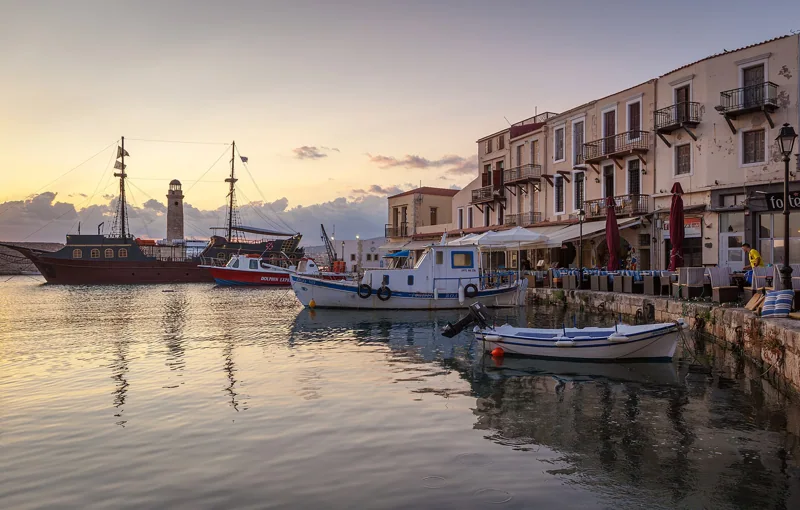
Two days in Rethymno: the Fortezza, Venetian harbour and Rimondi fountain on day one, then Arkadi or the south coast, with time on the town beach.

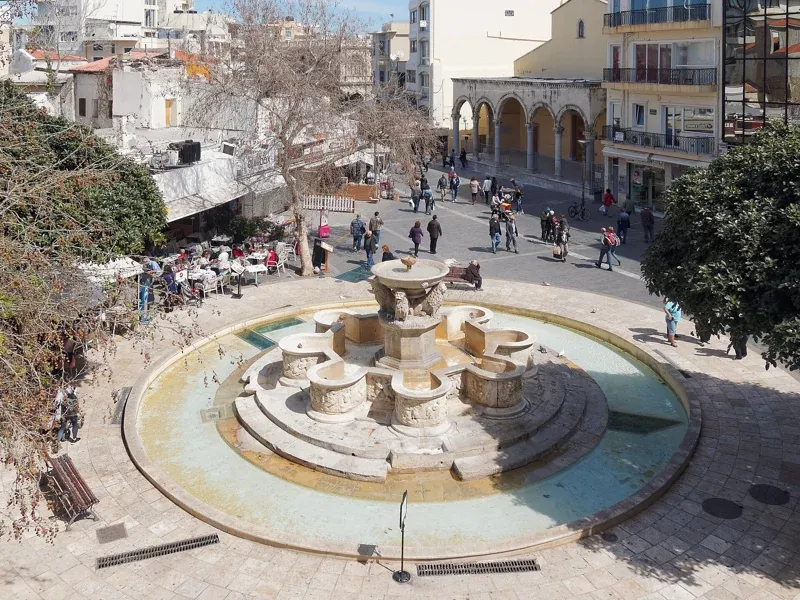
Two days in Heraklion: the Archaeological Museum and Venetian old town on day one, Knossos and lunch in Archanes on day two.

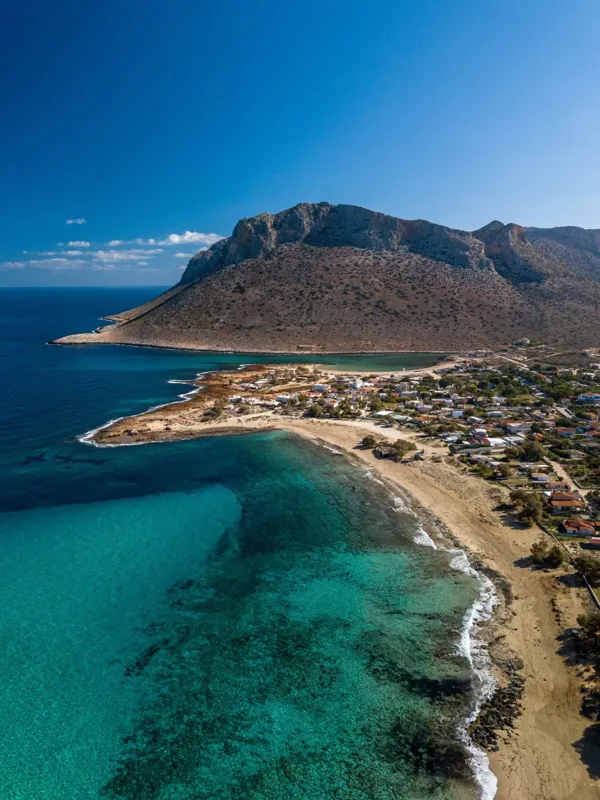
A one-day Akrotiri loop from Chania: Venizelos graves, Agia Triada and Gouverneto monasteries, a swim at Stavros or Marathi, and a fish lunch.

One day in Apokoronas from Chania: Aptera's ruins, Vamos and Gavalochori villages, a taverna lunch and a late swim at Almyrida or Kalyves.

A Mirabello Gulf day: morning in Agios Nikolaos, Elounda and the Poros canal, the short boat to Spinalonga from Plaka and a fish lunch by the water.

A one-day loop from Rethymno: coffee by the Spili fountain, the Kourtaliotiko gorge, Preveli monastery and palm beach, then a late swim in Plakias.

Paleochora or Sougia? Paleochora is a small town with two beaches, shops and nightlife; Sougia is a quiet village with one long beach and gorge walks.

Chania or Rethymno as a base? Chania has the airport, a bigger old town and west Crete's famous beaches; Rethymno is central, smaller and has a long town beach.

Gavdos, about 40 km south of Crete: Europe's southernmost point, 150 winter residents, Sarakiniko and Tripiti beaches, and ferries from Sfakia or Paleochora.

Plaka, 16 km north of Agios Nikolaos: a small village directly opposite Spinalonga, with pebble beaches, fish tavernas and the shortest boat crossing.

Kritsa, 10 km from Agios Nikolaos: the Byzantine Panagia Kera church with 13th–14th-century frescoes, weaving shops and the ancient city of Lato.

Neapoli, 15 km west of Agios Nikolaos: capital of Lasithi from 1868 to 1904, with a large cathedral, a folklore museum and soumada almond drink.

Ierapetra on the south coast: the Venetian Kales fortress, the Kato Mera old quarter, a long town beach and summer boats to Chrysi island.

Palekastro in far east Crete: a farming village near Kouremenos and Chiona beaches, the Minoan town of Roussolakos and Toplou monastery 6 km away.

Ano Zakros, about 38 km from Sitia: a village of springs and old watermills, a water museum, a Minoan villa and the start of the Gorge of the Dead.

Anogia, 738 m up on Psiloritis: a village of lyra music, weaving and grilled lamb, rebuilt after 1944, and the road to the Nida plateau and Ideon cave.

Zoniana, 630 m up on Psiloritis: a shepherding village of about 1,100 people, home to the Sfendoni cave, with Anogia and Axos a short drive away.

Axos in Mylopotamos: the site of ancient Oaxos, acropolis walls above the village, Byzantine churches and craft workshops on the road to Anogia.

Margarites in Rethymno: one of Crete's two main pottery centres, with dozens of workshops, Venetian-era frescoed churches and Eleutherna nearby.

Melidoni, about 30 km east of Rethymno: a Mylopotamos olive village on the slopes of Kouloukonas, with its royal well, square and famous cave.

Vamos in Apokoronas, 25 km from Chania: a preserved stone neighbourhood, restored guesthouses, Karydi monastery's arched olive press and village tavernas.

Gavalochori in Apokoronas: 24 Venetian wells, a folklore museum, kopaneli lace, stone houses and Almyrida beach a few kilometres below.

Vryses in Apokoronas: springs, a shaded river with tavernas under plane trees, Cretan yoghurt with honey and the junction for the road to Sfakia.

Theriso, 15 km south of Chania at 580 m: a gorge road, the 1905 Venizelos revolt, two small museums and tavernas known across Chania.

Drakona in Keramia, in the White Mountain foothills south of Chania: a quiet village of honey, olive groves and mountain views, best paired with Theriso.

Kandanos, on the road from Chania to Paleochora: a village destroyed in 1941, now known for its memorial, Byzantine churches and a gorge walk.

Kissamos (Kastelli), 36 km west of Chania: sandy town beaches, Roman mosaics in the museum, Venetian walls and the port for Balos and Gramvousa boats.

Spili, 30 km south of Rethymno at 430 m: the Kefalovrysi lion-head fountain under plane trees, old lanes and the road to Preveli and Plakias.

Archanes, 14 km south of Heraklion: a restored town with a Minoan palace, the Fourni cemetery, a museum, Mount Giouchtas walks and wineries nearby.

Kato Zakros in far east Crete: the fourth Minoan palace, whose treasury was found unlooted, a quiet beach, tavernas and the Gorge of the Dead walk.

Mochlos, 35 km west of Sitia: a tiny fishing village of seafood tavernas, small beaches and a Minoan islet 150 m offshore.

Agia Galini, 61 km south of Rethymno: a terraced harbour village on Messara Bay with a town beach, boat trips to nearby coves and the Paximadia islets.

Sitia, eastern Crete's main town: a harbour promenade, the Kazarma Venetian fortress, a museum with the Palaikastro Kouros and the Petras palace.

Sougia, about 70 km south-west of Chania: a long pebble beach, the end of Agia Irini gorge, a 1.5–2 hour walk to ancient Lissos and seasonal ferries.

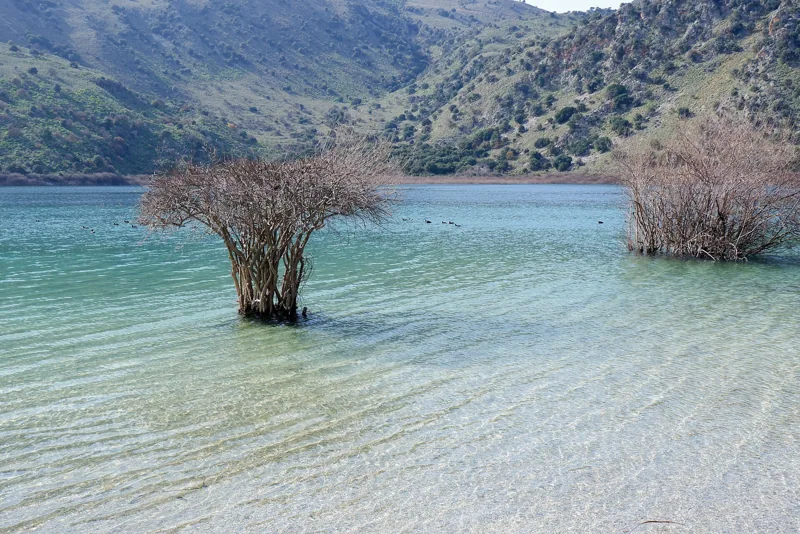
Lake Kournas, 4 km from Georgioupolis: Crete's only natural freshwater lake, 22.5 m deep, with turtles, pedal boats, tavernas and a summer sandy shore.

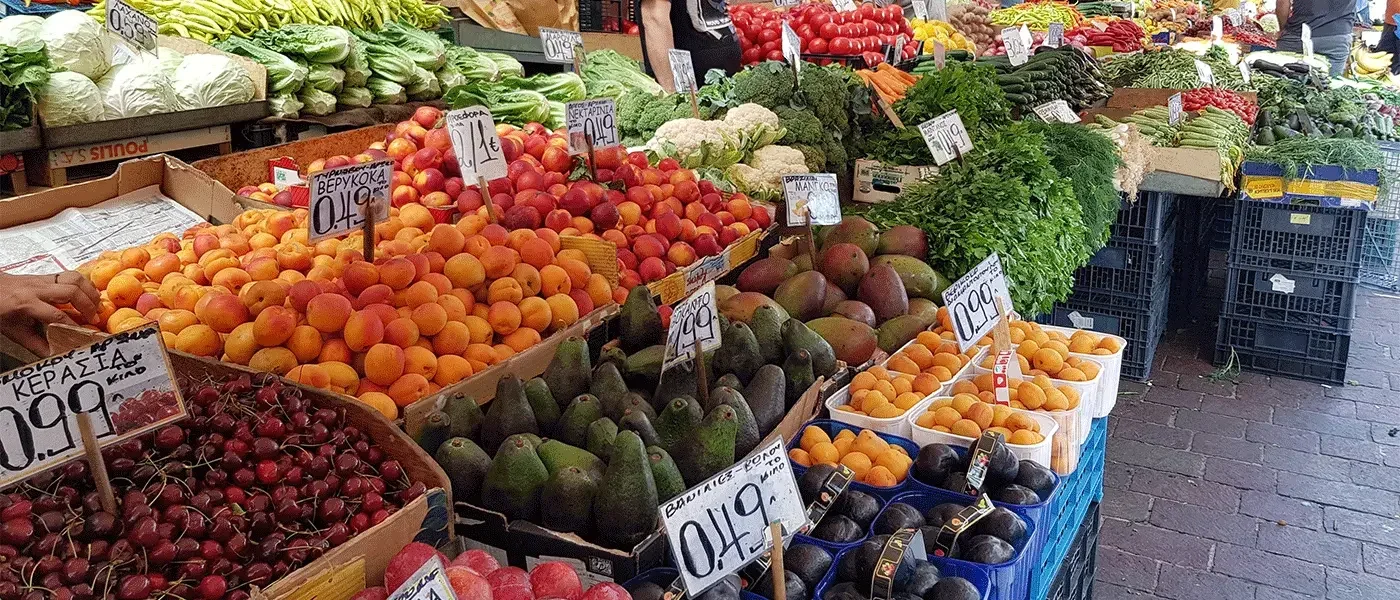
Chania Laiki Agora: Your Complete Guide to the Weekly Street Markets If you want to see the real Chania — not the postcard…

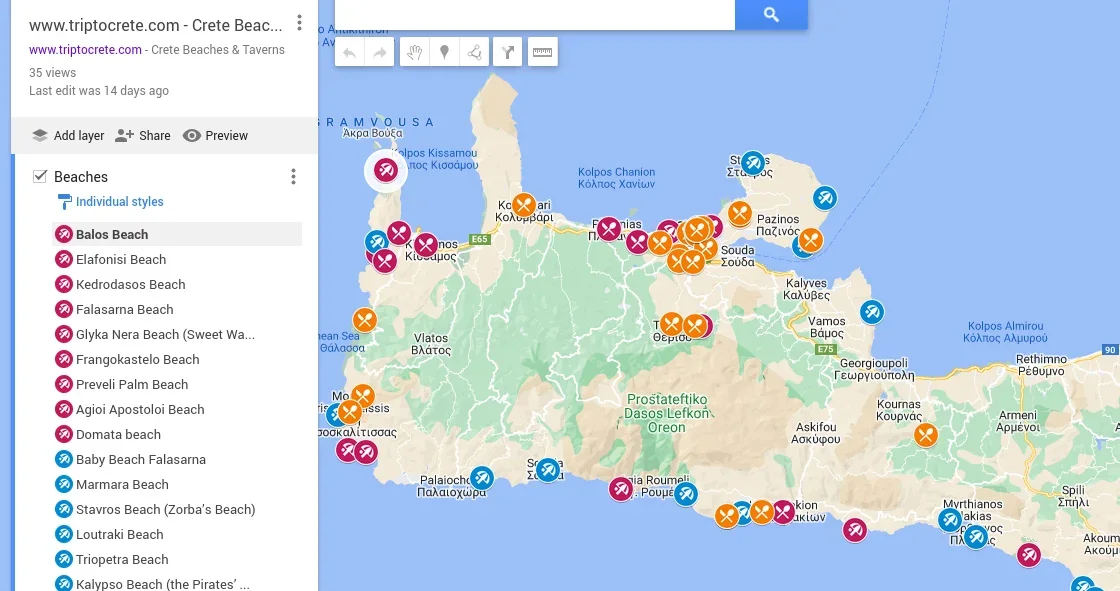
Western Crete is a paradise of dramatic coastlines, crystal-clear turquoise waters, and authentic Greek culture that has…

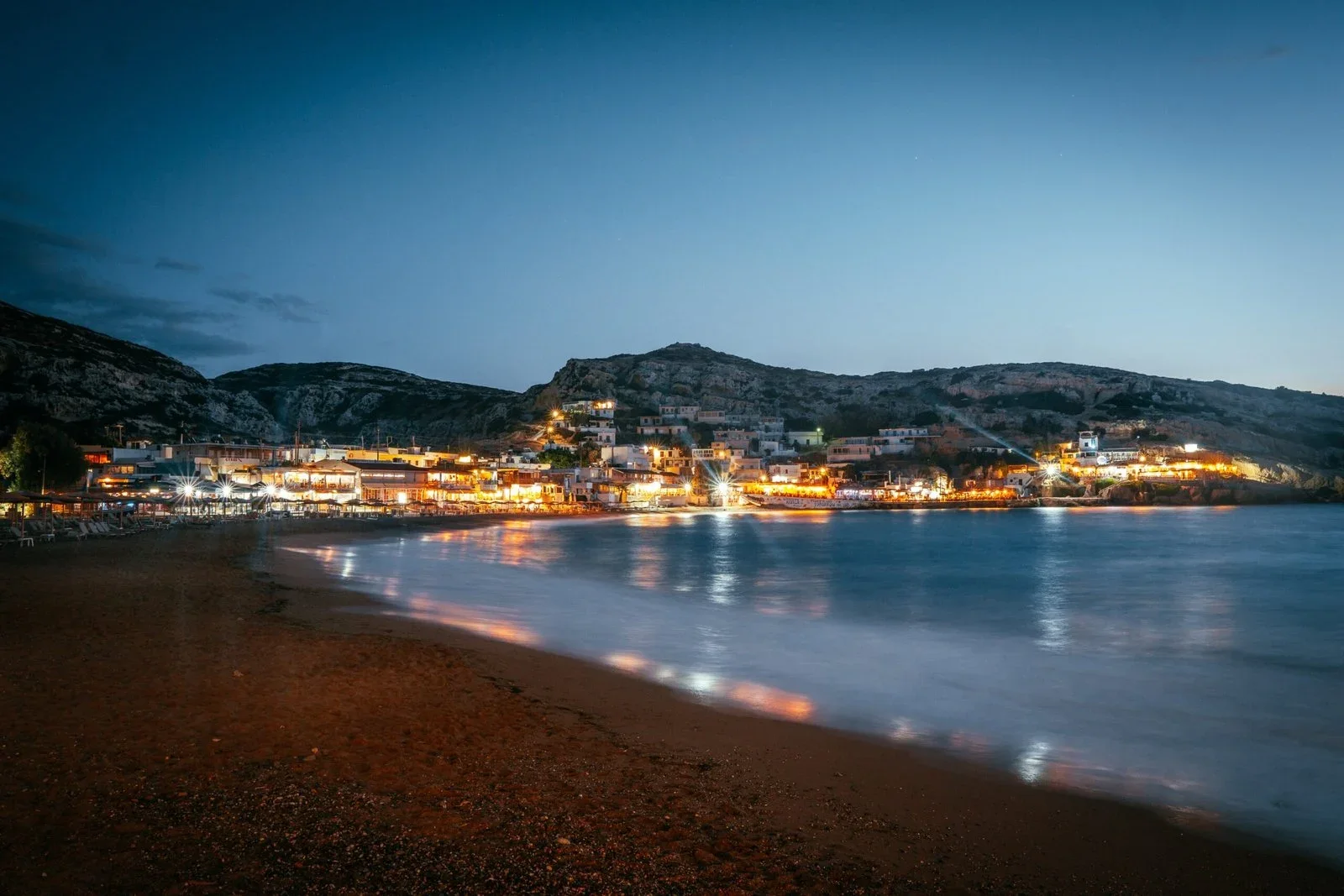
Located οn the southern side of the Aegean Sea, Crete, in Greece, is the biggest of all Greek islands. Its beauty, though…