Chania, Städte & Regionen
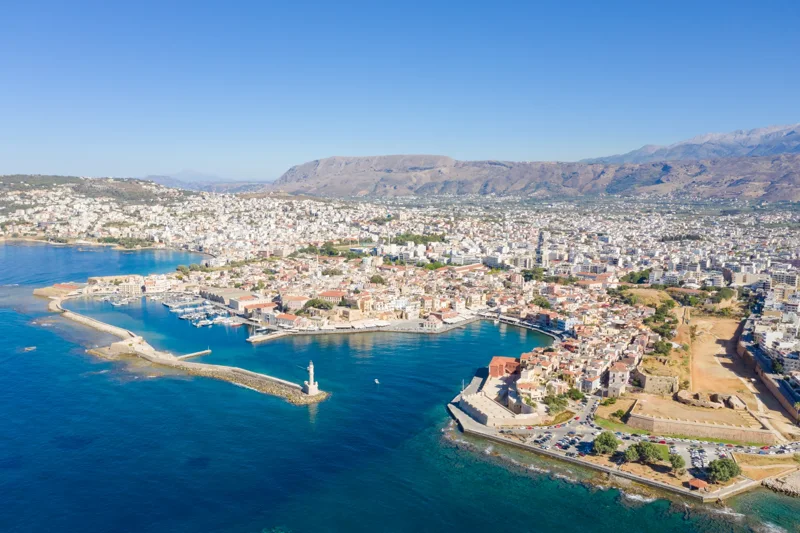
Drei Tage in Chania: Stadt, Küste und ein größerer Ausflug
Ein Drei-Tage-Plan für Chania: Tag eins in Altstadt und Hafen, Tag zwei auf Akrotiri oder an der nahen Küste, Tag drei für Samaria, Balos oder Elafonisi.
54 Reiseführer
Keine passenden Reiseführer. Versuch einen anderen Namen oder stöbere in allen Reiseführern.
Ein Drei-Tage-Plan für Chania: Tag eins in Altstadt und Hafen, Tag zwei auf Akrotiri oder an der nahen Küste, Tag drei für Samaria, Balos oder Elafonisi.
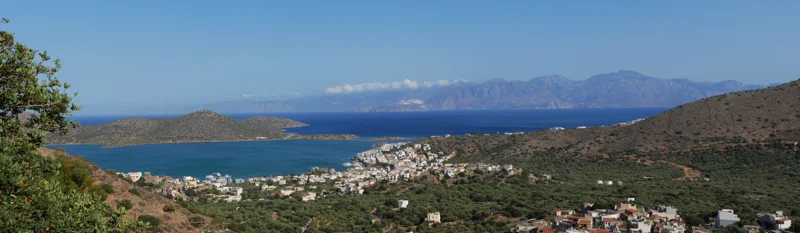
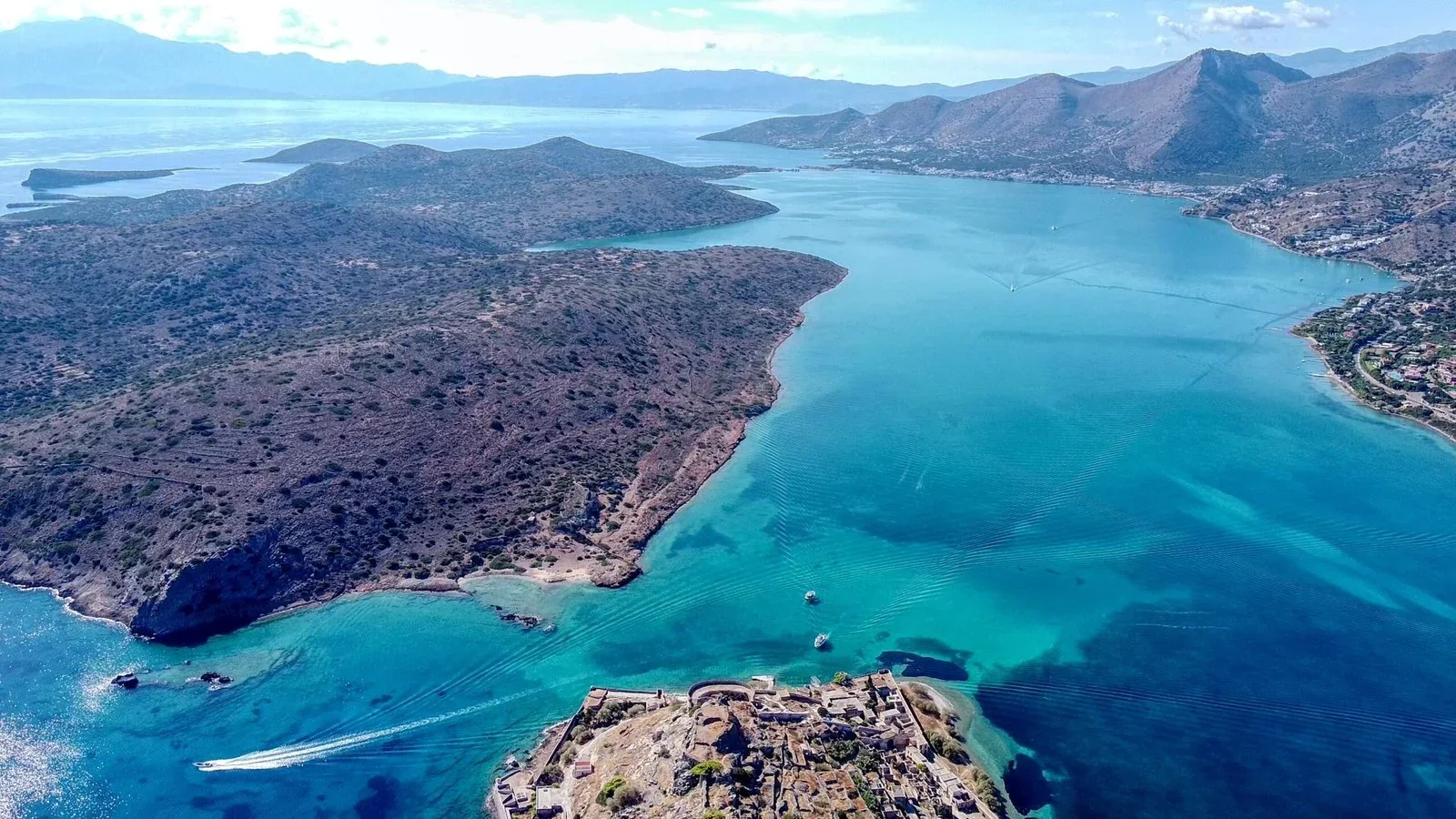
Elounda, 10 km nördlich von Agios Nikolaos: Boote nach Spinalonga, der Kanal von Poros und die Windmühlen, die versunkene Stadt Olous und der Strand Kolokytha.
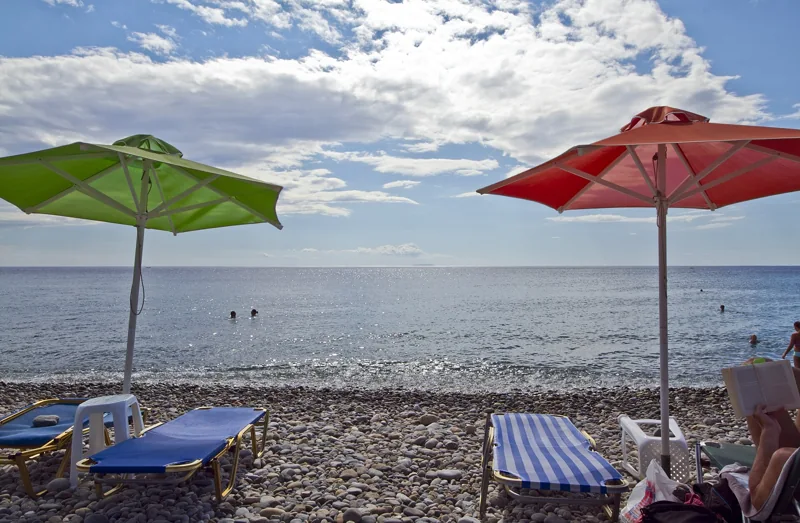
Paleochora, 77 km südlich von Chania: ein kleiner Ort auf einer Halbinsel mit einem Sandstrand im Westen, einem Kiesstrand im Osten, den Ruinen des Castel Selino und Fähren an der Südküste.
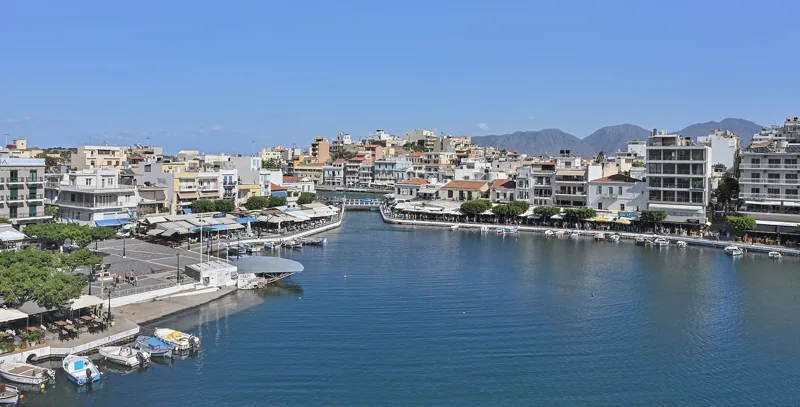
Agios Nikolaos am Golf von Mirabello: der Voulismeni-See, 1870 mit dem Meer verbunden, ein kleiner Stadtstrand und einfache Ausflüge nach Elounda, Spinalonga, Kritsa und Lato.
Autofahren auf Kreta von Einheimischen erklärt: Verhalten auf der Nationalstraße, Bergstraßen, Schotterpisten und Versicherung, Parken in Chania, Tanken und die wichtigsten Regeln.
Ein 7-tägiger Roadtrip durch Westkreta ab Chania: die Altstadt, Balos, Falasarna, Elafonisi, die Samaria-Schlucht, Loutro und Sfakia sowie Rethymno oder Preveli.
Wann nach Kreta: Meerestemperaturen, Andrang, Preise und Wetter Monat für Monat, vom Wandern im Frühling bis zum warmen Meer im September und Oktober.
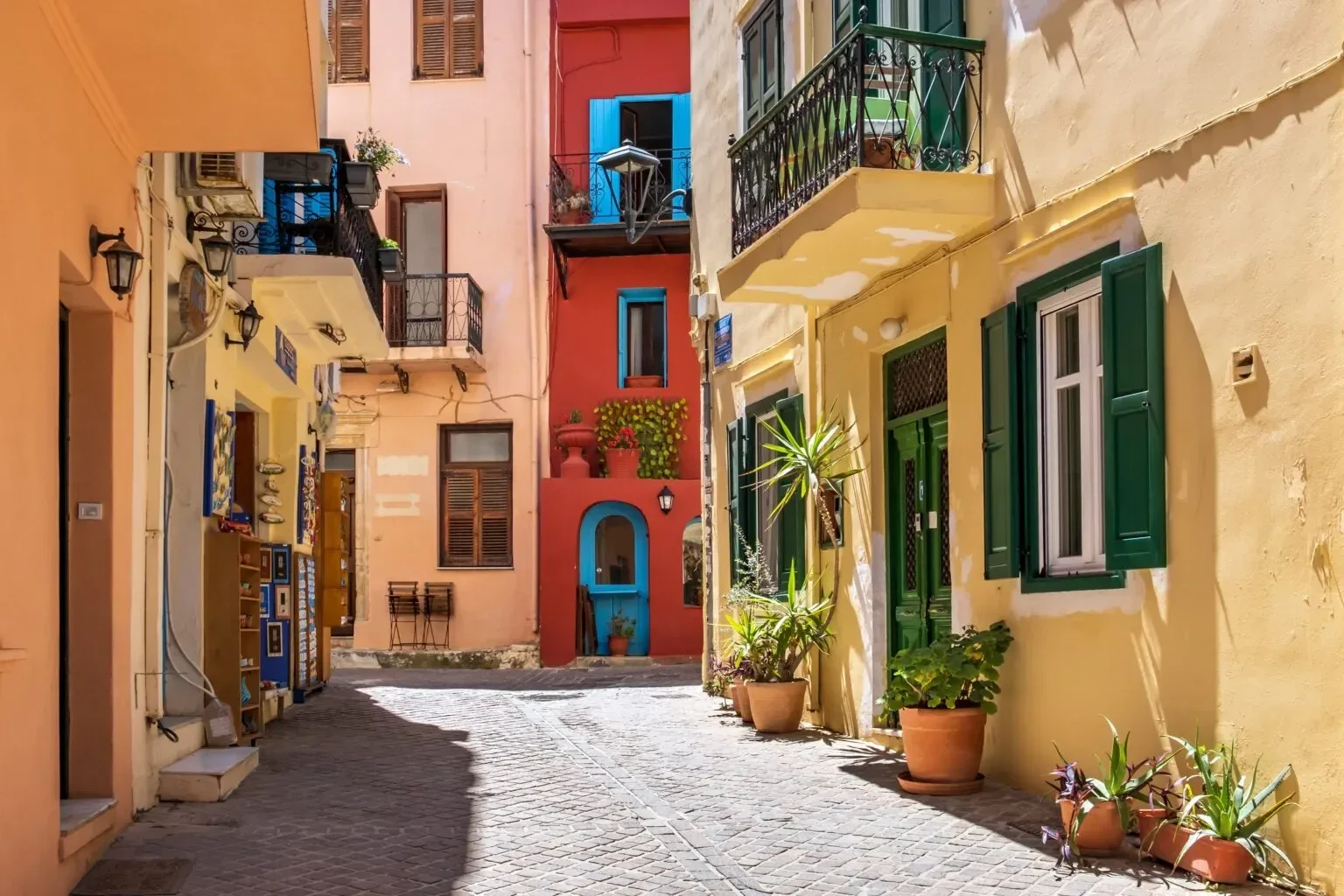
Die besten Erlebnisse in Chania, ausgewählt von Einheimischen: venezianischer Hafen und Altstadt, Märkte, Museen, Strände, Sonnenuntergangsplätze und die besten Tagesausflüge.
Die Altstadt von Chania zu Fuß: venezianischer Hafen, Topanas, Splantzia, das jüdische Viertel und mehr. Praktischer Rundgang mit Geschichte, Tipps und lokalem Wissen
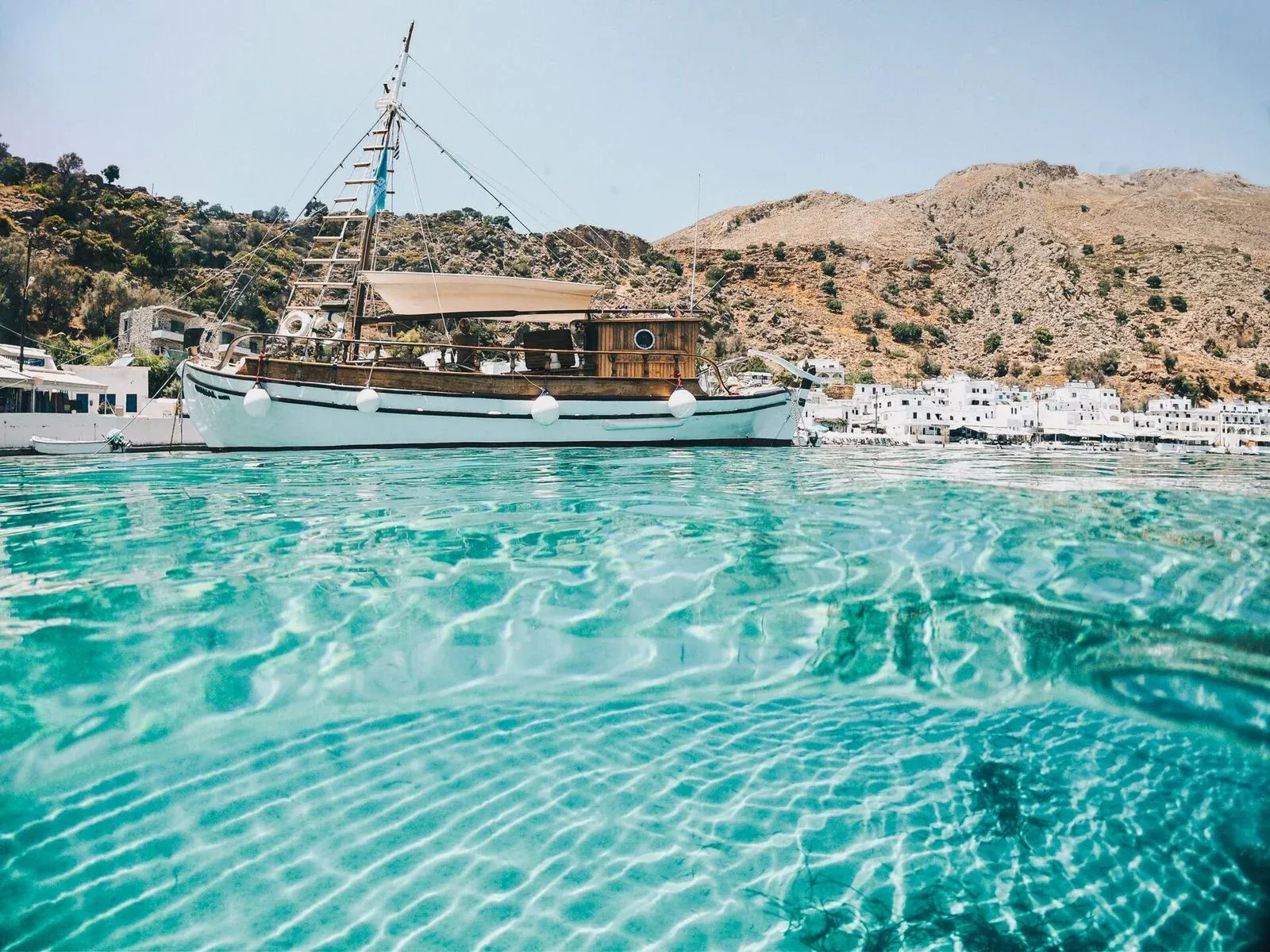
Loutro in Sfakia im Südwesten Kretas: ein autofreies Dorf, erreichbar per Boot oder zu Fuß, sein antiker Hafen und seine Geschichte, Strände in der Nähe und die Anreise.
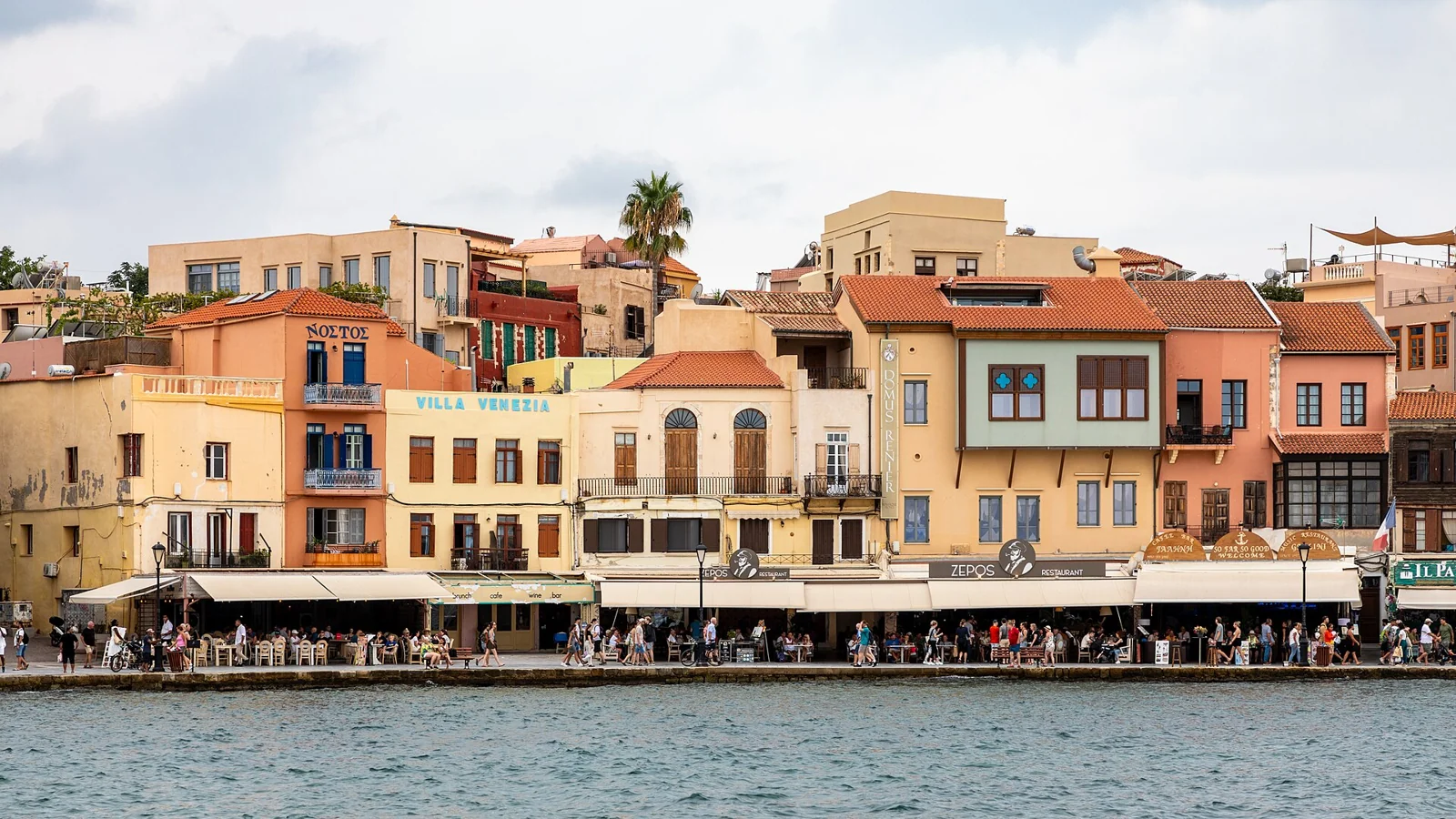
Kreta ist die größte aller griechischen Inseln und die fünftgrößte Insel im Mittelmeer. Mit ihrem reichen historischen und kulturellen Hintergrund…
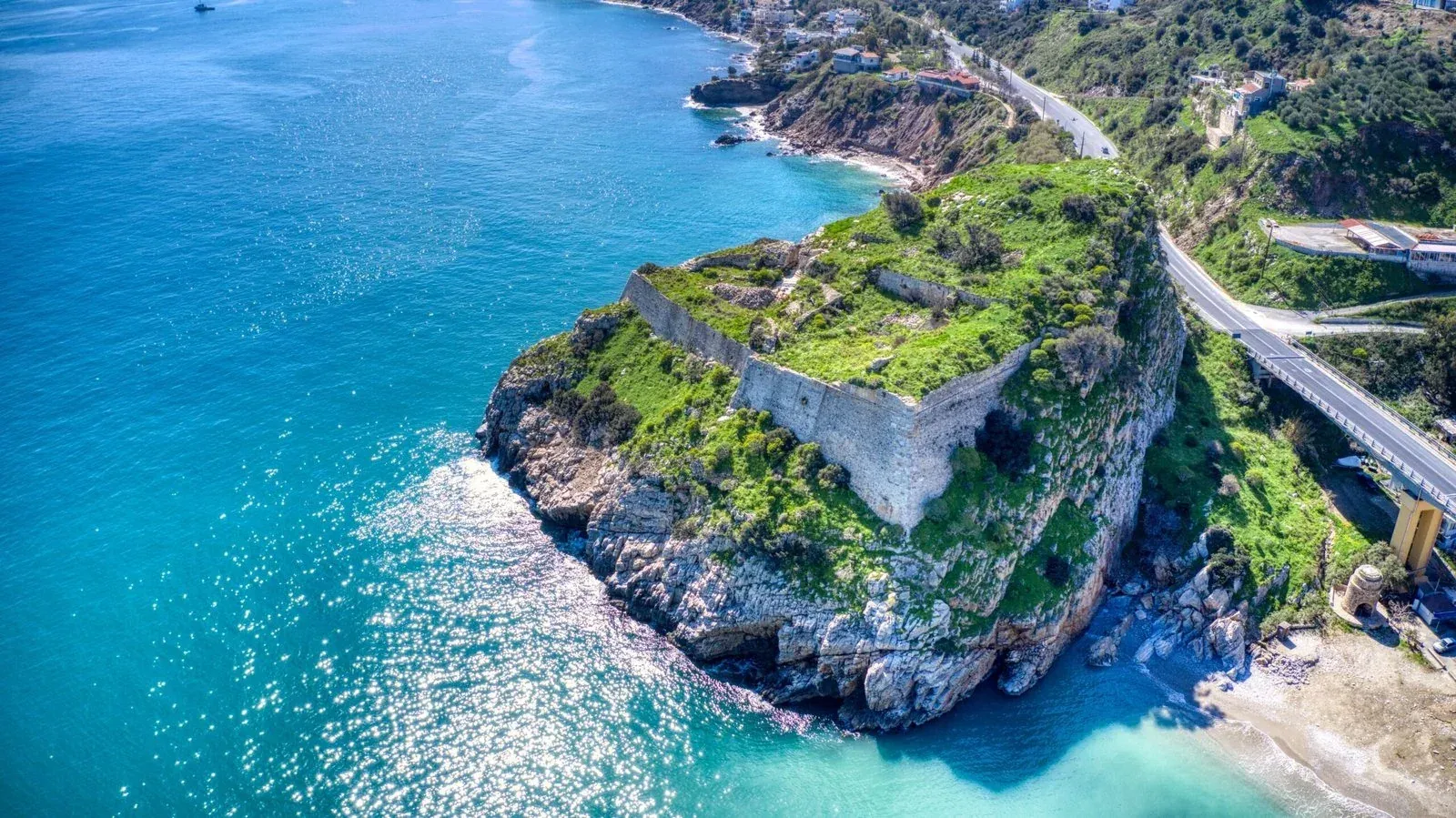
Heraklion, Kretas Hauptstadt, nahe den minoischen Palästen Knossos und Phaistos: das Museum, die venezianische Festung und was es in und um die Stadt zu sehen gibt.
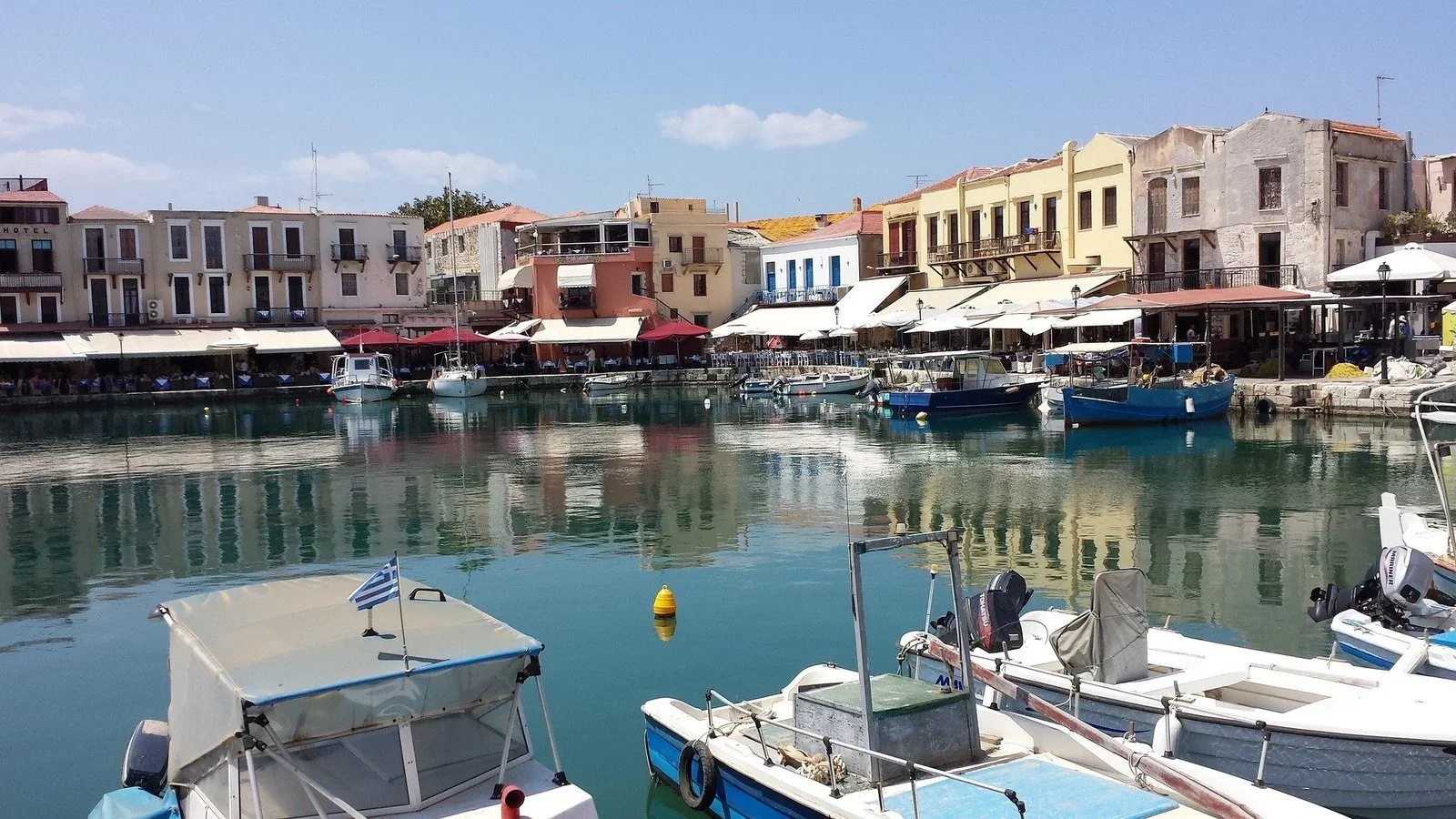
Rethymno auf Kreta: die venezianische Altstadt und die Festung Fortezza, Strände, das Kloster Arkadi und Preveli in der Nähe. Was es in der Region zu sehen und zu tun gibt.
Lasithi, Kretas am wenigsten touristische Region: Agios Nikolaos, Elounda und Spinalonga, die Lasithi-Hochebene, Sitia und der Palmenstrand von Vai.
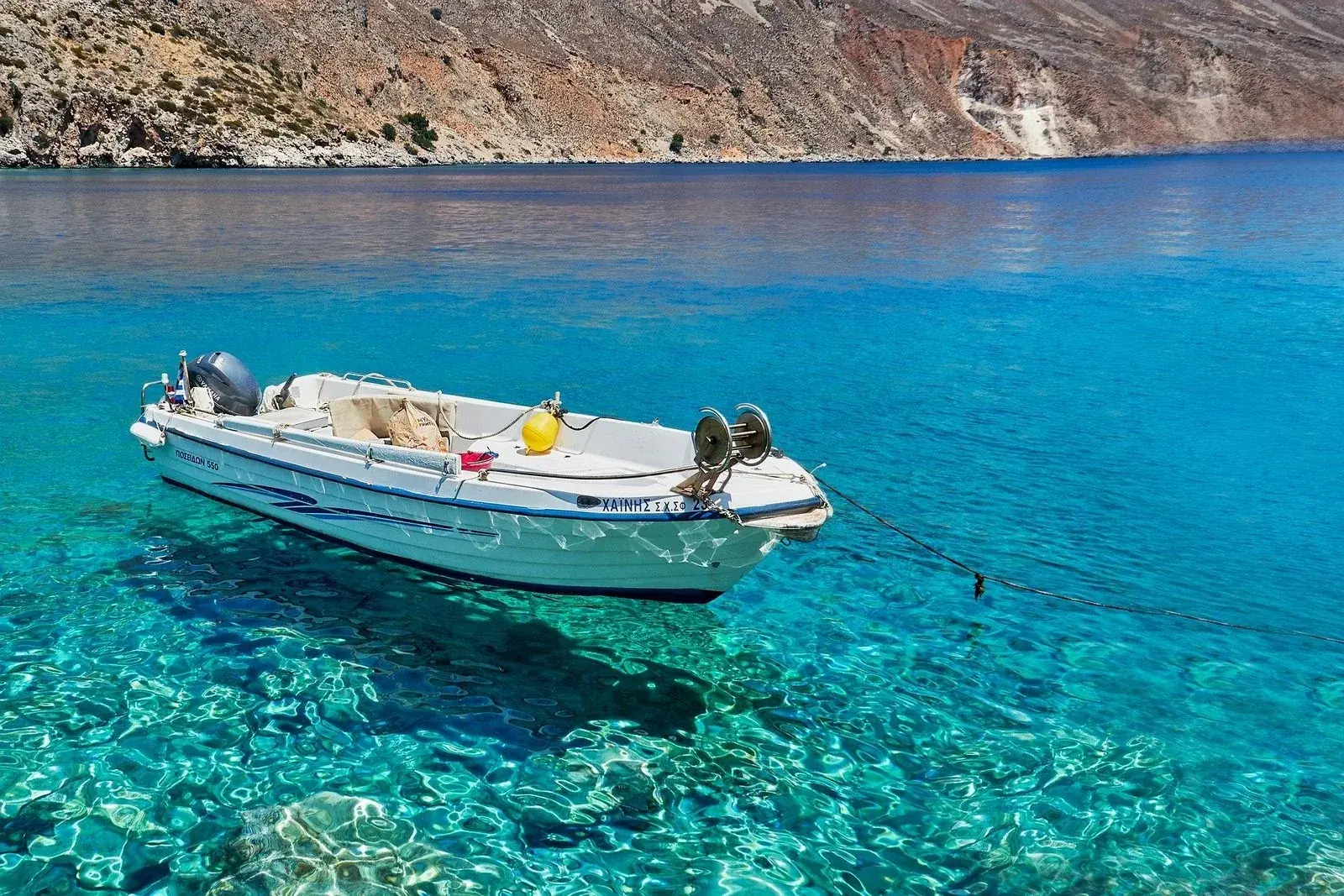
Sfakia im Südwesten Kretas: das historische Dorf Chora Sfakion über dem Libyschen Meer, die Imbros-Schlucht und die raue Region drumherum.
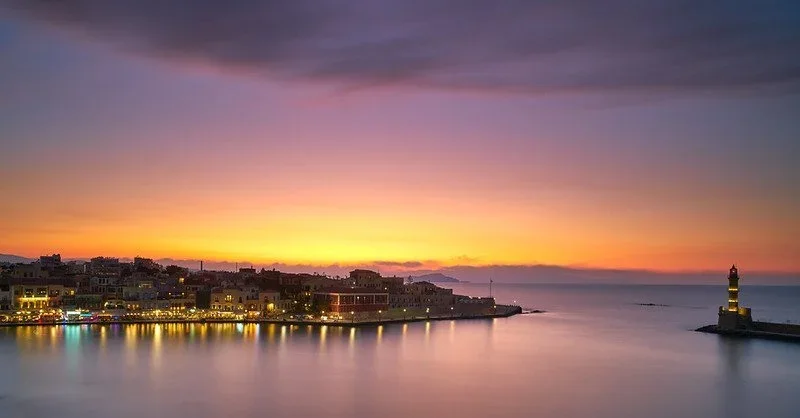
Chania ist lebendig und hat einen starken Puls. Setz dich in ein Café am alten Hafen und nimm all die Geräusche, Gerüche und Farben auf, während dir die…
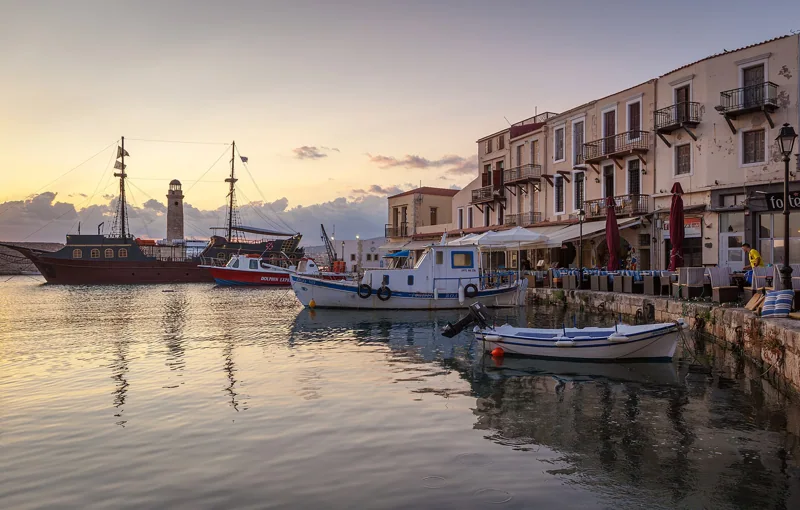
Two days in Rethymno: the Fortezza, Venetian harbour and Rimondi fountain on day one, then Arkadi or the south coast, with time on the town beach.
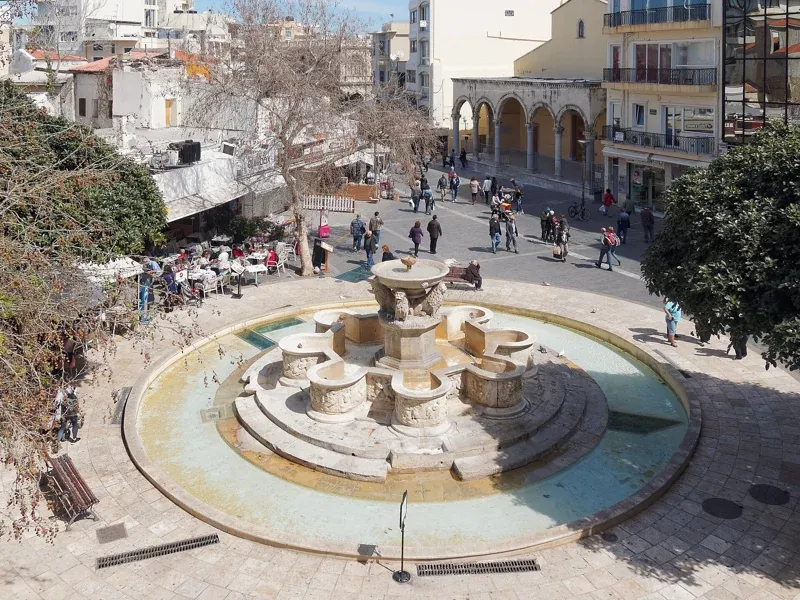
Two days in Heraklion: the Archaeological Museum and Venetian old town on day one, Knossos and lunch in Archanes on day two.
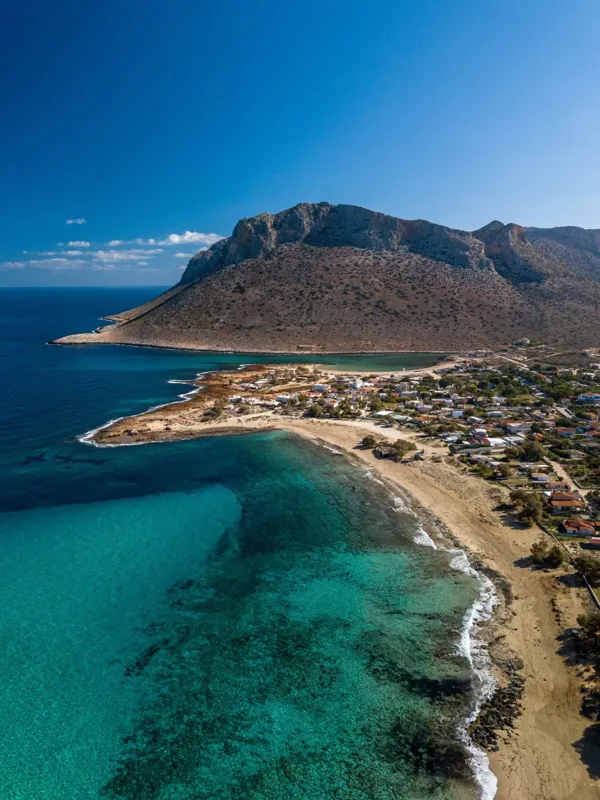
A one-day Akrotiri loop from Chania: Venizelos graves, Agia Triada and Gouverneto monasteries, a swim at Stavros or Marathi, and a fish lunch.
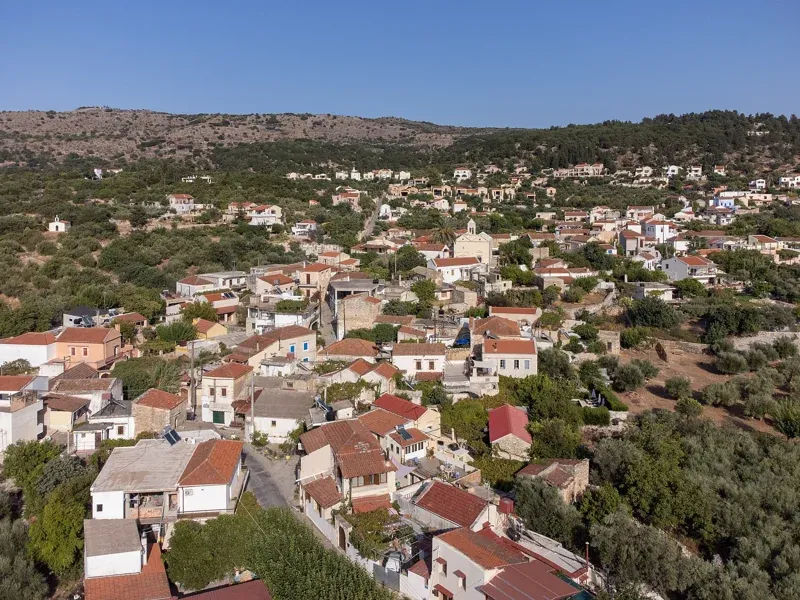
One day in Apokoronas from Chania: Aptera's ruins, Vamos and Gavalochori villages, a taverna lunch and a late swim at Almyrida or Kalyves.
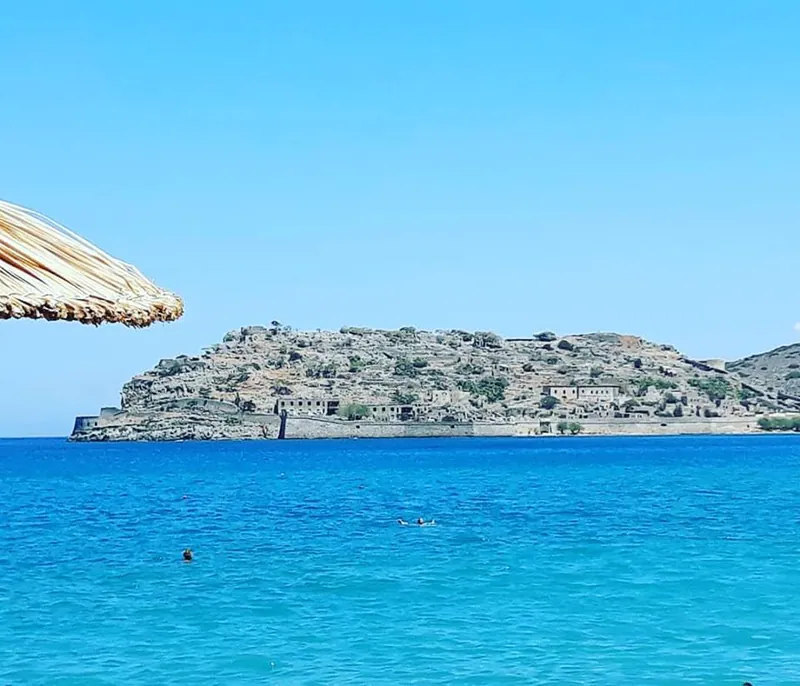
A Mirabello Gulf day: morning in Agios Nikolaos, Elounda and the Poros canal, the short boat to Spinalonga from Plaka and a fish lunch by the water.
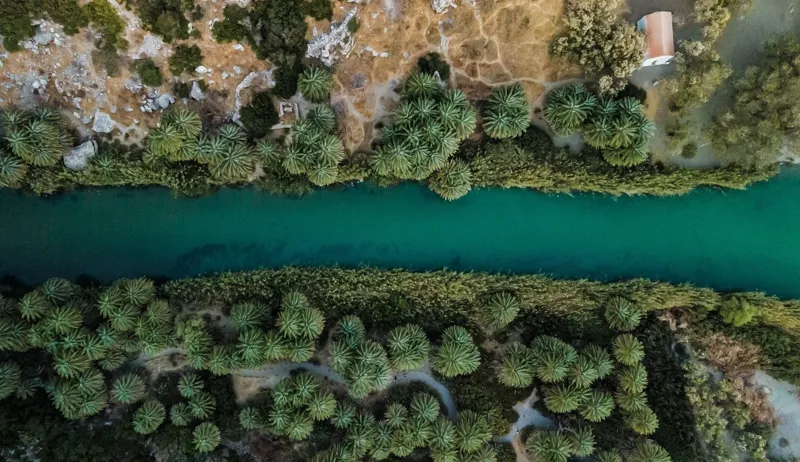
A one-day loop from Rethymno: coffee by the Spili fountain, the Kourtaliotiko gorge, Preveli monastery and palm beach, then a late swim in Plakias.
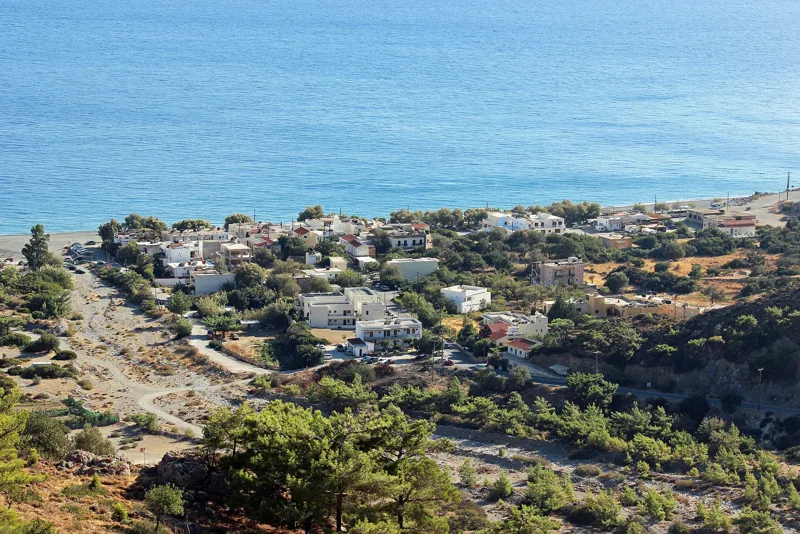
Paleochora or Sougia? Paleochora is a small town with two beaches, shops and nightlife; Sougia is a quiet village with one long beach and gorge walks.
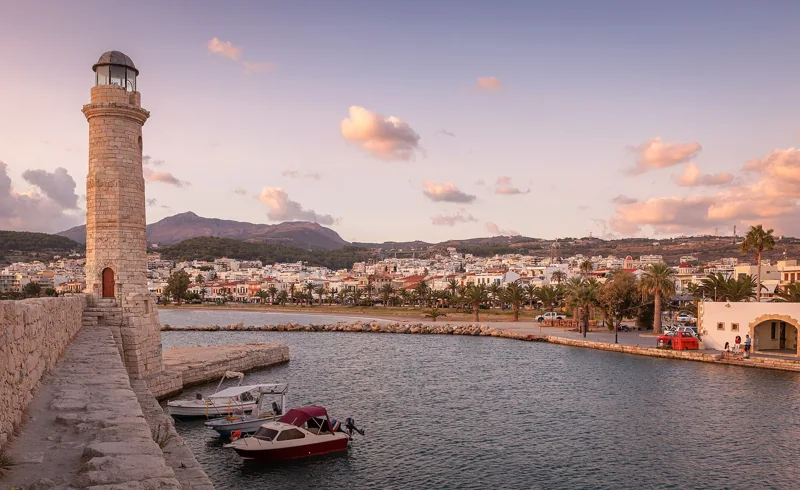
Chania or Rethymno as a base? Chania has the airport, a bigger old town and west Crete's famous beaches; Rethymno is central, smaller and has a long town beach.
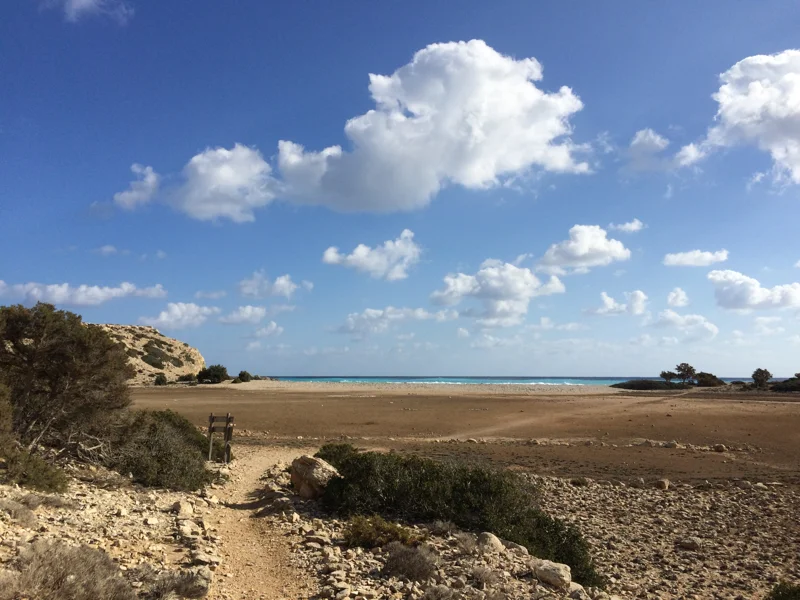
Gavdos, about 40 km south of Crete: Europe's southernmost point, 150 winter residents, Sarakiniko and Tripiti beaches, and ferries from Sfakia or Paleochora.
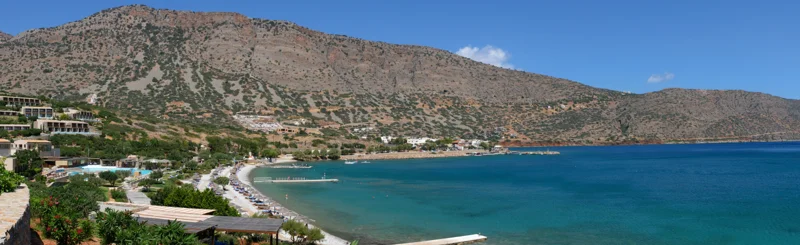
Plaka, 16 km north of Agios Nikolaos: a small village directly opposite Spinalonga, with pebble beaches, fish tavernas and the shortest boat crossing.
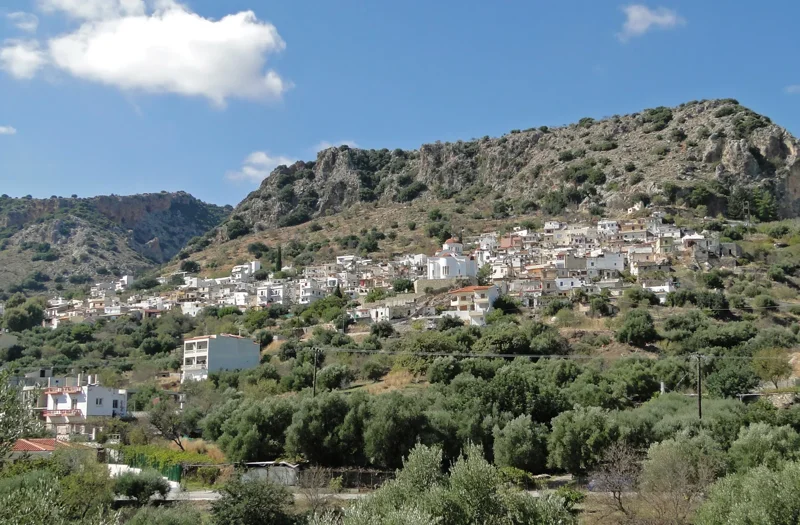
Kritsa, 10 km from Agios Nikolaos: the Byzantine Panagia Kera church with 13th–14th-century frescoes, weaving shops and the ancient city of Lato.
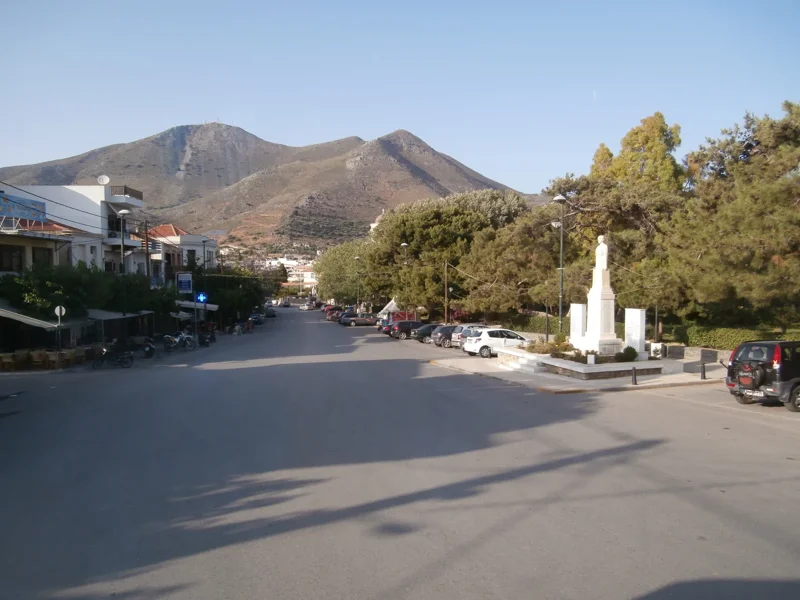
Neapoli, 15 km west of Agios Nikolaos: capital of Lasithi from 1868 to 1904, with a large cathedral, a folklore museum and soumada almond drink.
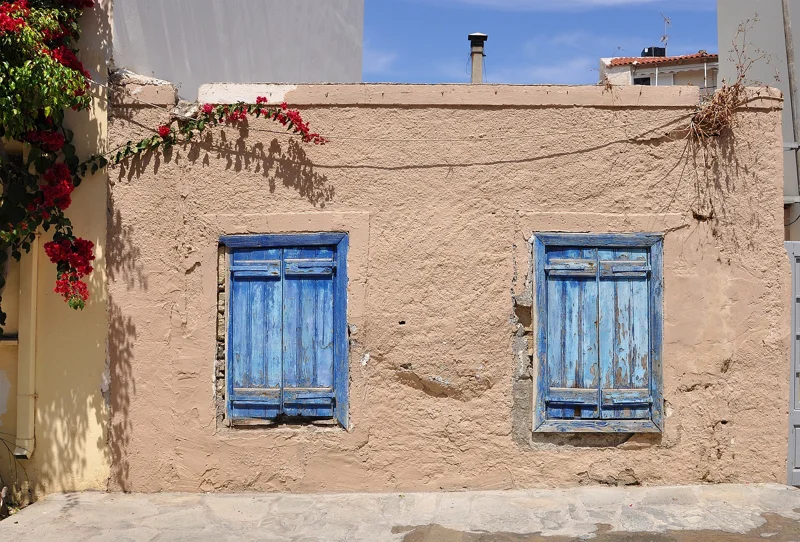
Ierapetra on the south coast: the Venetian Kales fortress, the Kato Mera old quarter, a long town beach and summer boats to Chrysi island.
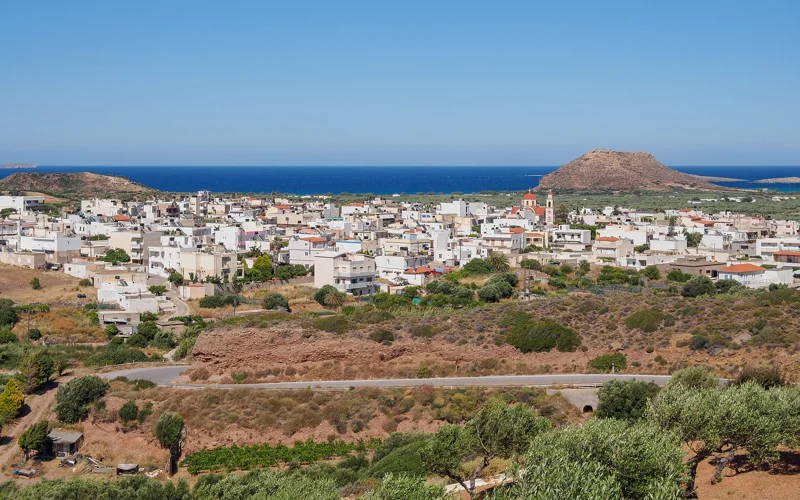
Palekastro in far east Crete: a farming village near Kouremenos and Chiona beaches, the Minoan town of Roussolakos and Toplou monastery 6 km away.
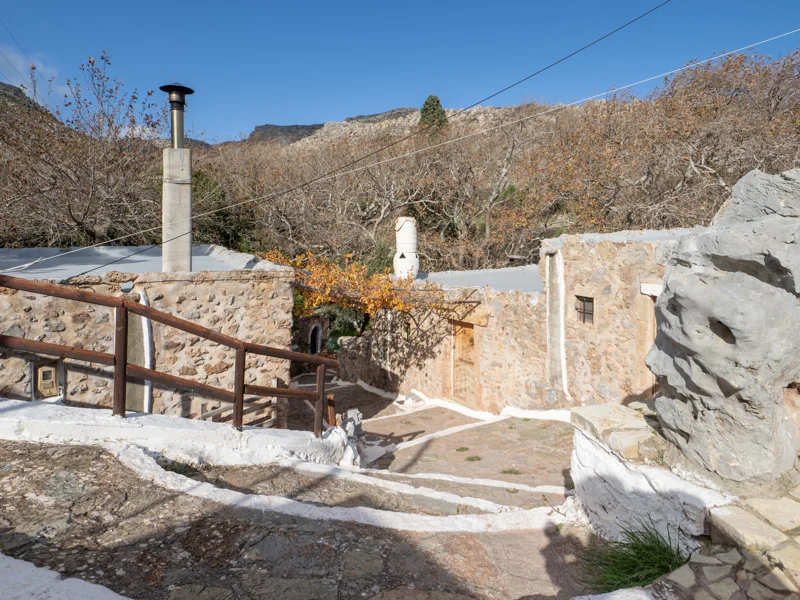
Ano Zakros, about 38 km from Sitia: a village of springs and old watermills, a water museum, a Minoan villa and the start of the Gorge of the Dead.
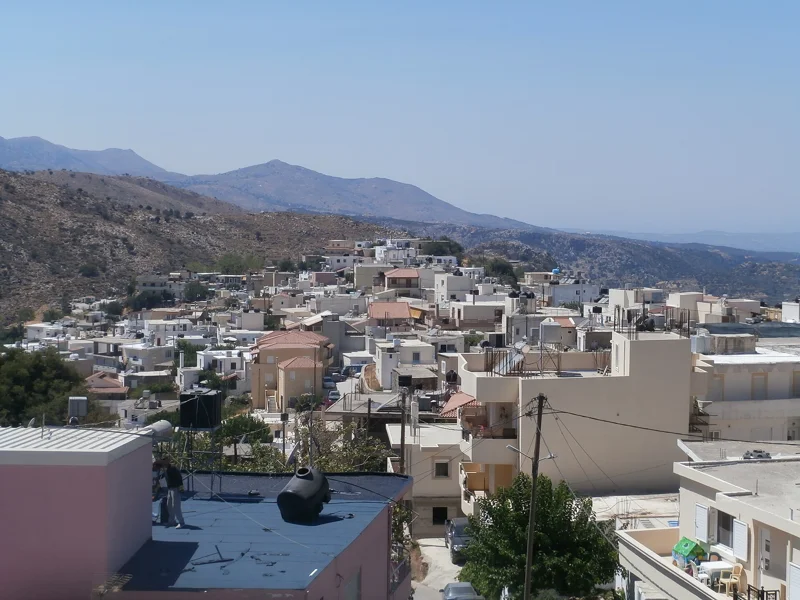
Anogia, 738 m up on Psiloritis: a village of lyra music, weaving and grilled lamb, rebuilt after 1944, and the road to the Nida plateau and Ideon cave.
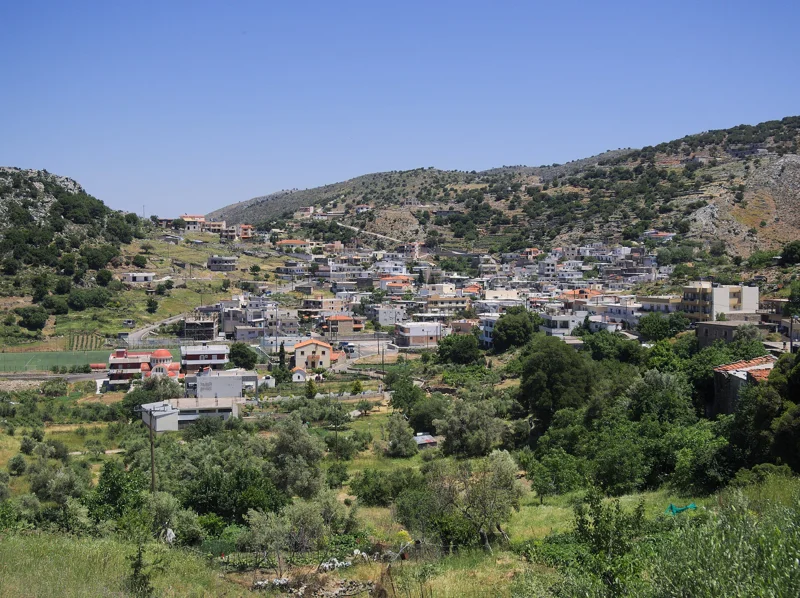
Zoniana, 630 m up on Psiloritis: a shepherding village of about 1,100 people, home to the Sfendoni cave, with Anogia and Axos a short drive away.
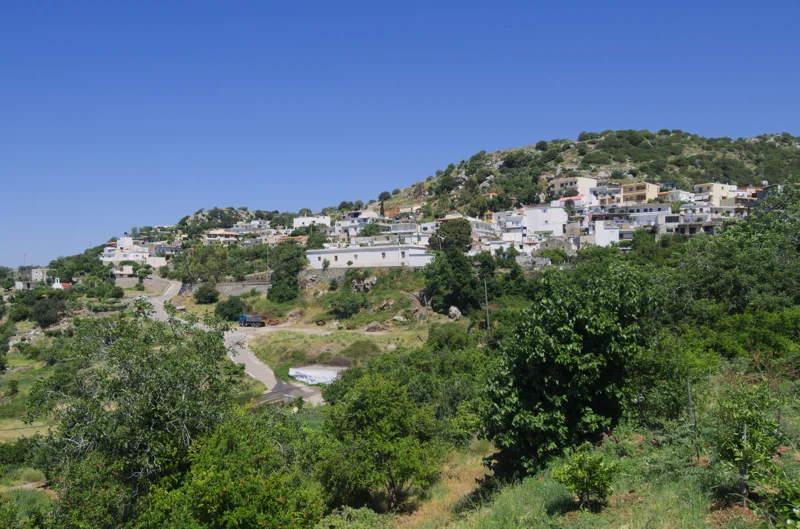
Axos in Mylopotamos: the site of ancient Oaxos, acropolis walls above the village, Byzantine churches and craft workshops on the road to Anogia.
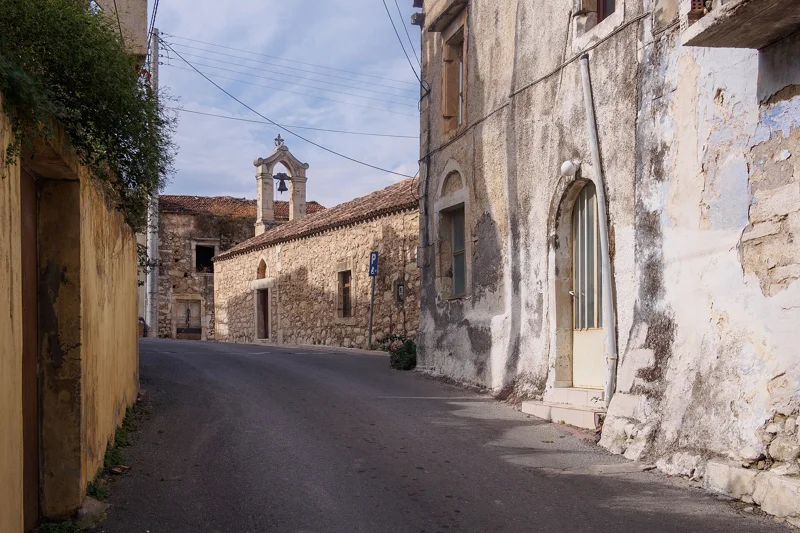
Margarites in Rethymno: one of Crete's two main pottery centres, with dozens of workshops, Venetian-era frescoed churches and Eleutherna nearby.
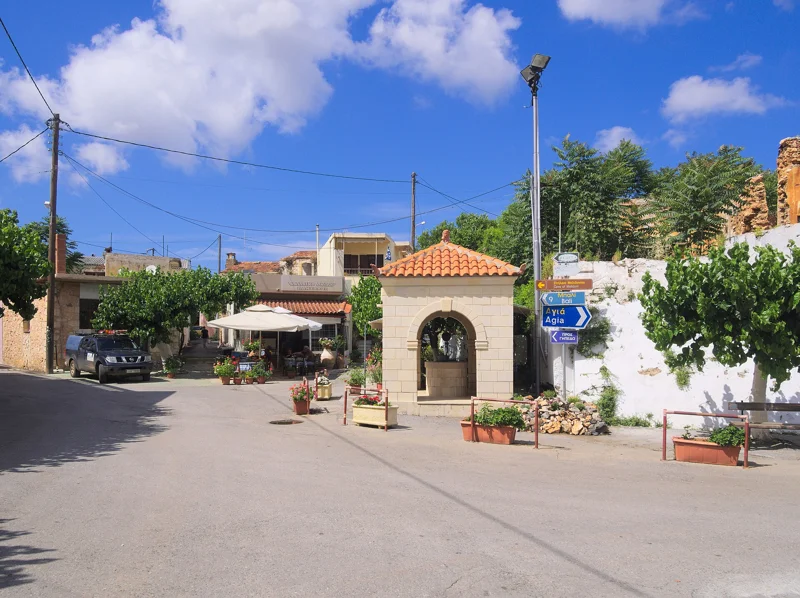
Melidoni, about 30 km east of Rethymno: a Mylopotamos olive village on the slopes of Kouloukonas, with its royal well, square and famous cave.
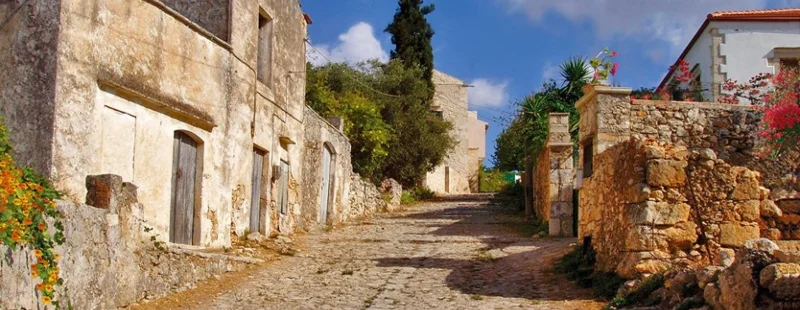
Vamos in Apokoronas, 25 km from Chania: a preserved stone neighbourhood, restored guesthouses, Karydi monastery's arched olive press and village tavernas.
Gavalochori in Apokoronas: 24 Venetian wells, a folklore museum, kopaneli lace, stone houses and Almyrida beach a few kilometres below.
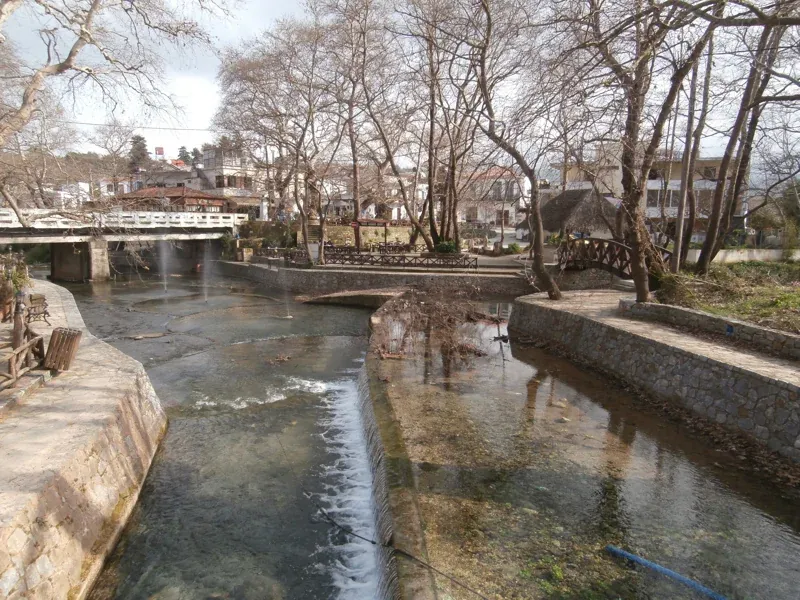
Vryses in Apokoronas: springs, a shaded river with tavernas under plane trees, Cretan yoghurt with honey and the junction for the road to Sfakia.
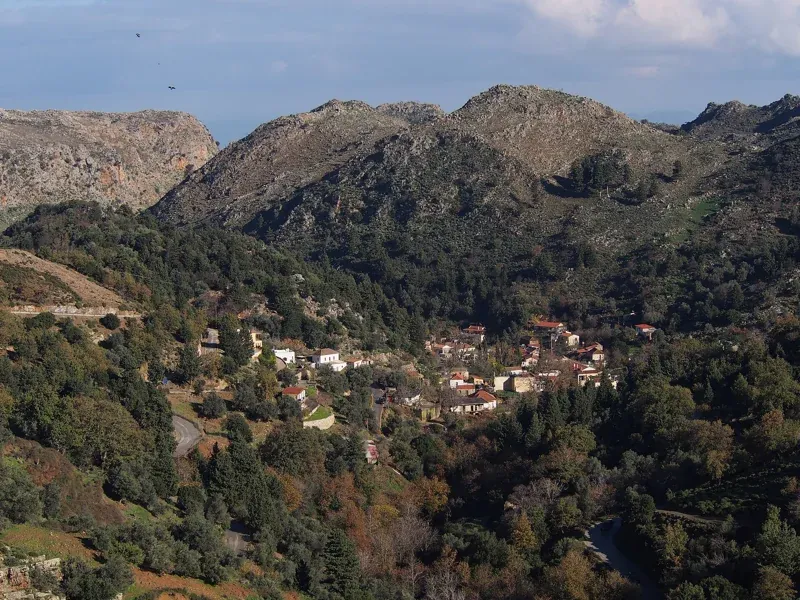
Theriso, 15 km south of Chania at 580 m: a gorge road, the 1905 Venizelos revolt, two small museums and tavernas known across Chania.
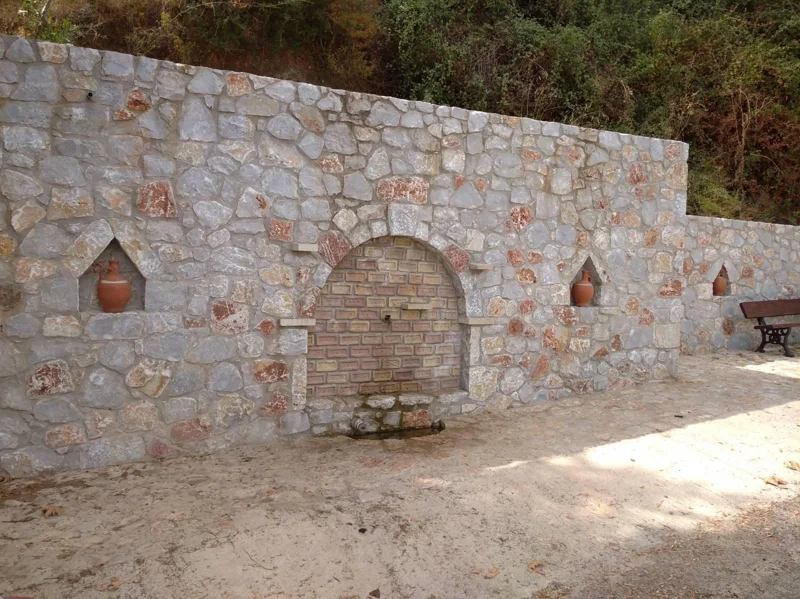
Drakona in Keramia, in the White Mountain foothills south of Chania: a quiet village of honey, olive groves and mountain views, best paired with Theriso.
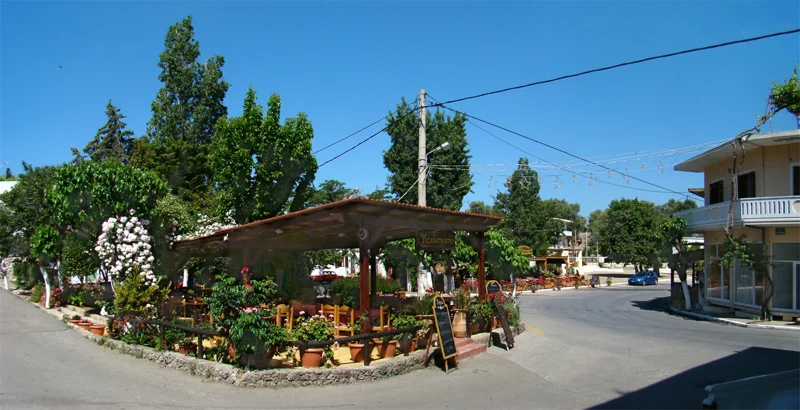
Kandanos, on the road from Chania to Paleochora: a village destroyed in 1941, now known for its memorial, Byzantine churches and a gorge walk.
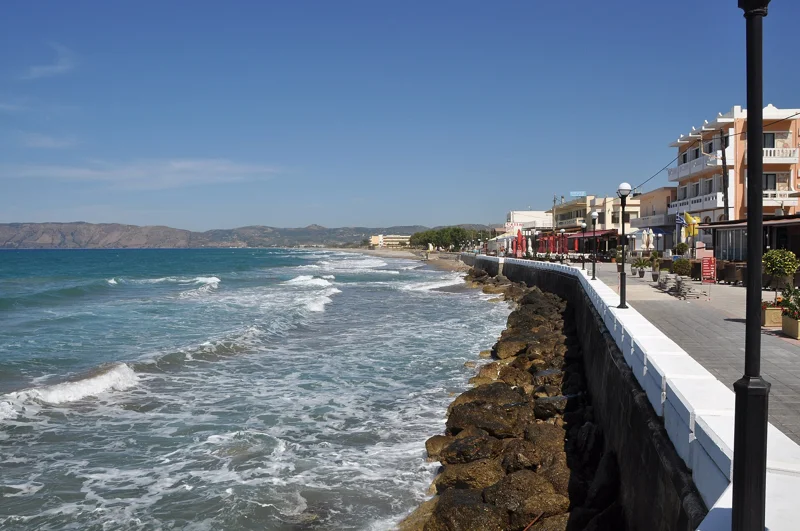
Kissamos (Kastelli), 36 km west of Chania: sandy town beaches, Roman mosaics in the museum, Venetian walls and the port for Balos and Gramvousa boats.
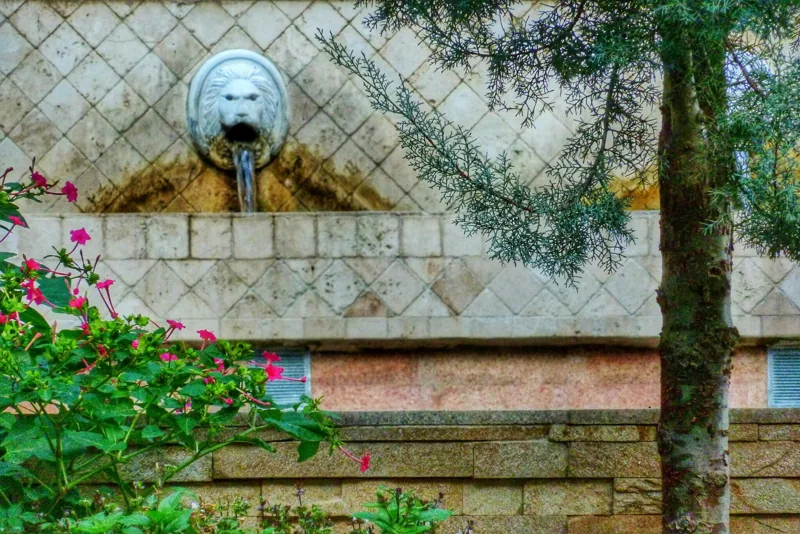
Spili, 30 km south of Rethymno at 430 m: the Kefalovrysi lion-head fountain under plane trees, old lanes and the road to Preveli and Plakias.
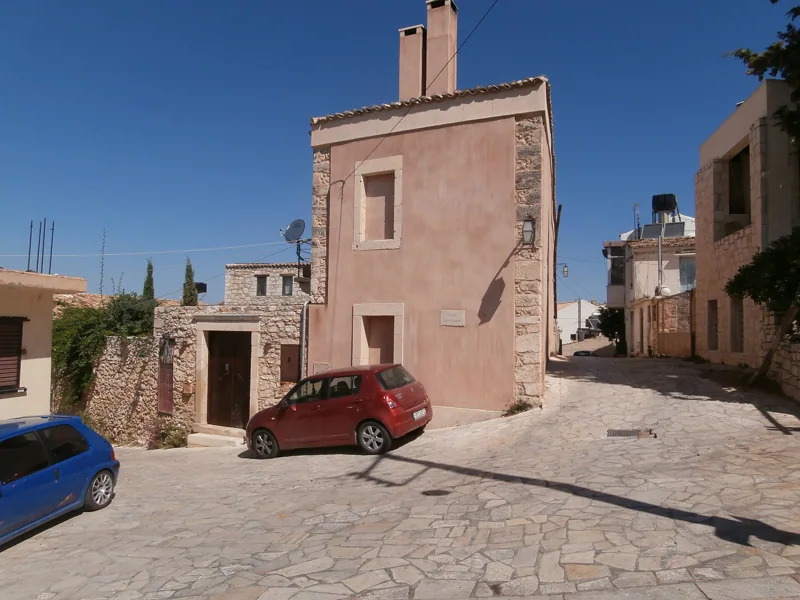
Archanes, 14 km south of Heraklion: a restored town with a Minoan palace, the Fourni cemetery, a museum, Mount Giouchtas walks and wineries nearby.
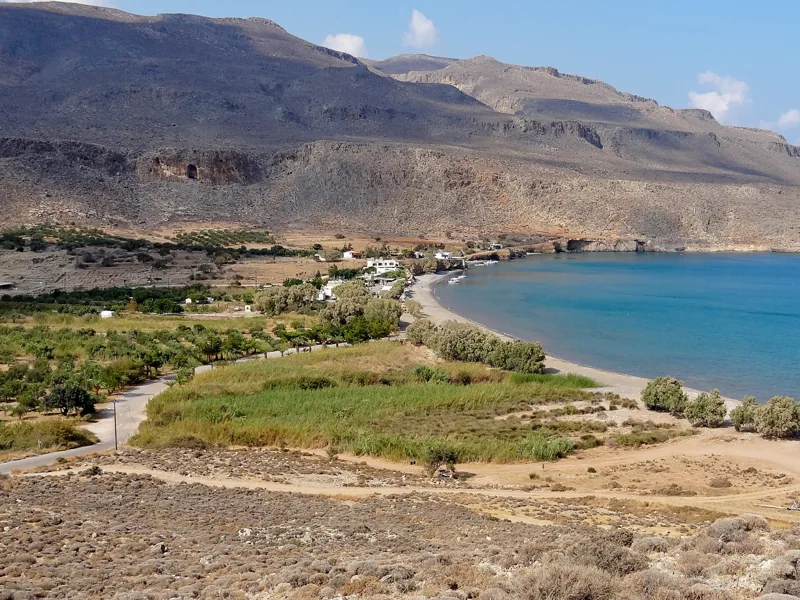
Kato Zakros in far east Crete: the fourth Minoan palace, whose treasury was found unlooted, a quiet beach, tavernas and the Gorge of the Dead walk.
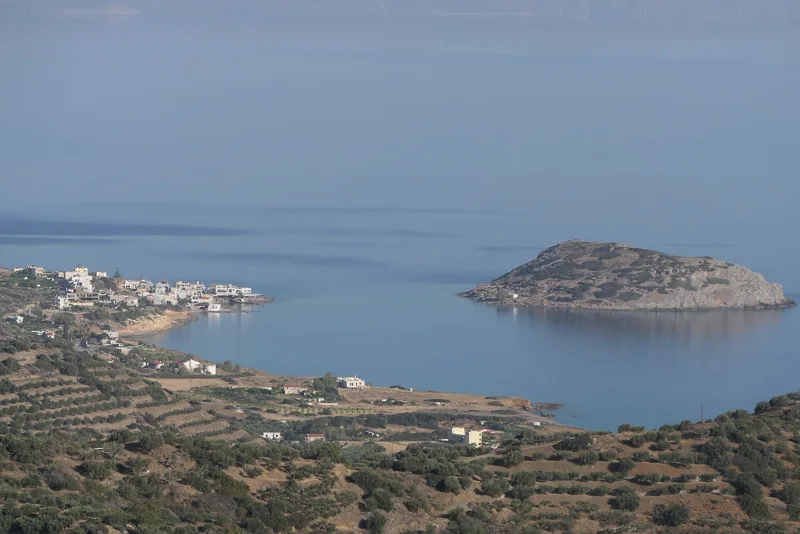
Mochlos, 35 km west of Sitia: a tiny fishing village of seafood tavernas, small beaches and a Minoan islet 150 m offshore.
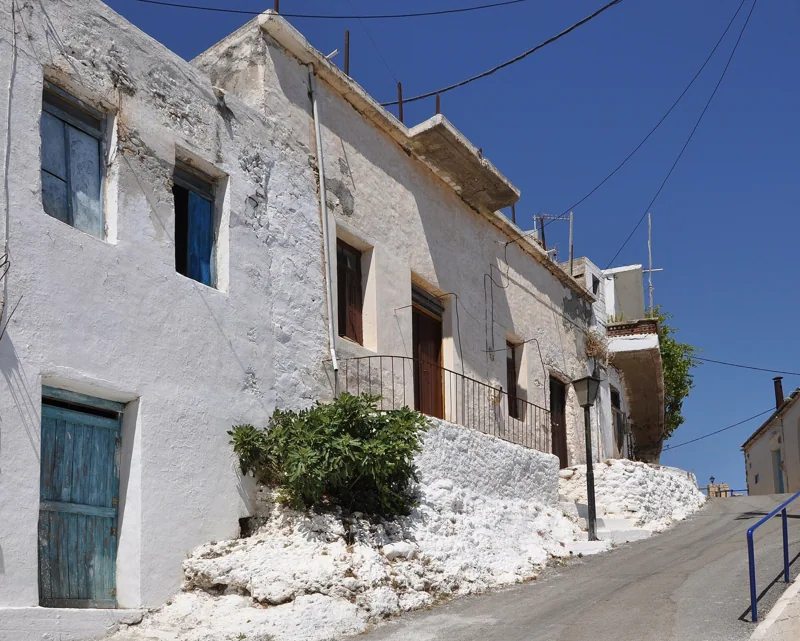
Agia Galini, 61 km south of Rethymno: a terraced harbour village on Messara Bay with a town beach, boat trips to nearby coves and the Paximadia islets.
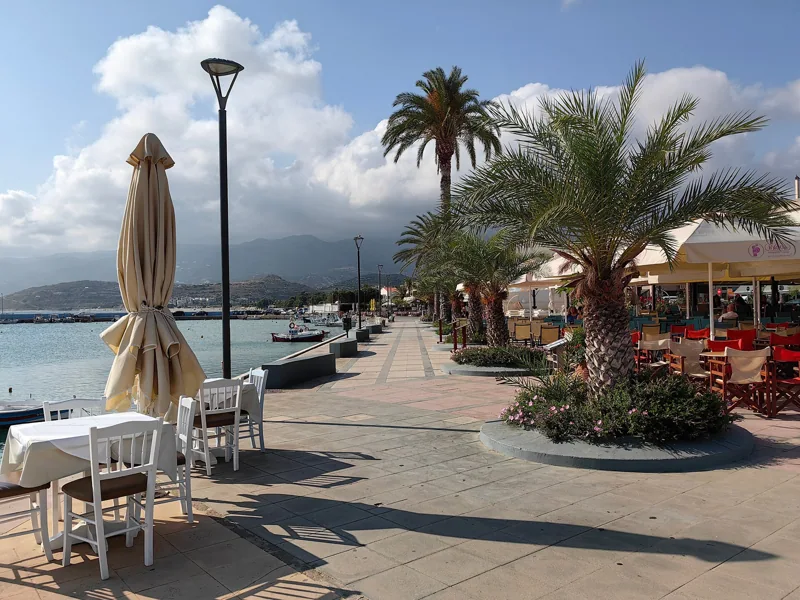
Sitia, eastern Crete's main town: a harbour promenade, the Kazarma Venetian fortress, a museum with the Palaikastro Kouros and the Petras palace.
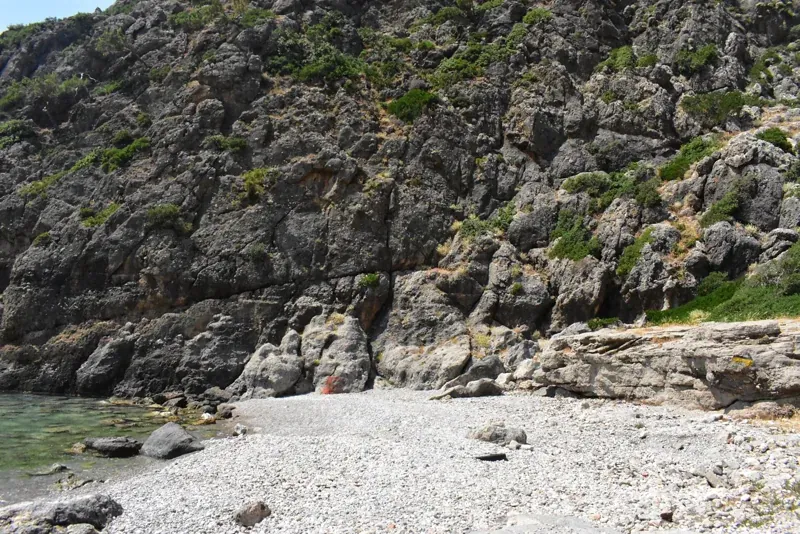
Sougia, about 70 km south-west of Chania: a long pebble beach, the end of Agia Irini gorge, a 1.5–2 hour walk to ancient Lissos and seasonal ferries.
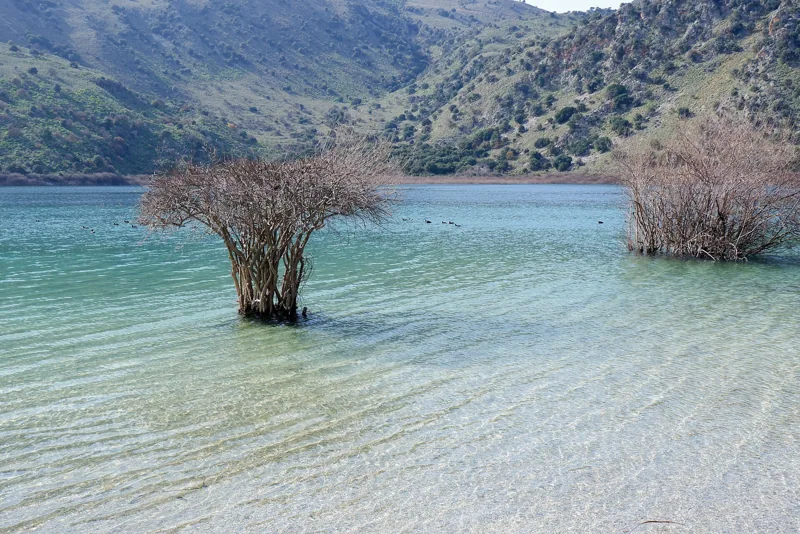
Lake Kournas, 4 km from Georgioupolis: Crete's only natural freshwater lake, 22.5 m deep, with turtles, pedal boats, tavernas and a summer sandy shore.
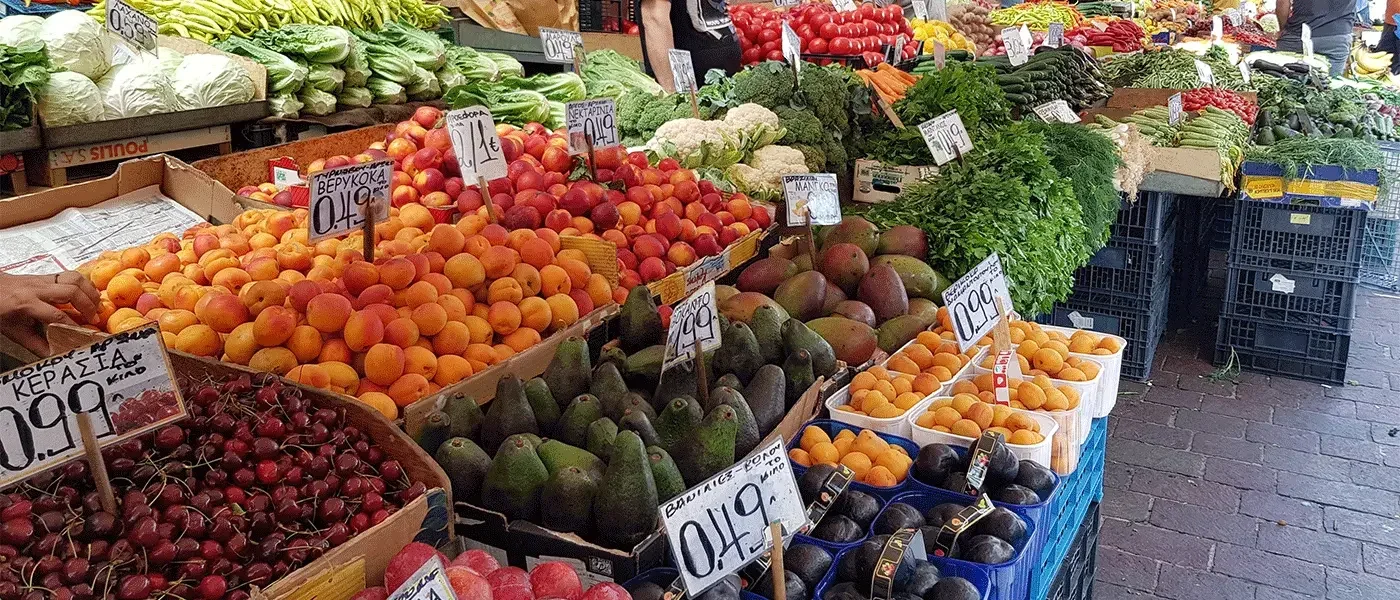
Chania Laiki Agora: Your Complete Guide to the Weekly Street Markets If you want to see the real Chania — not the postcard…
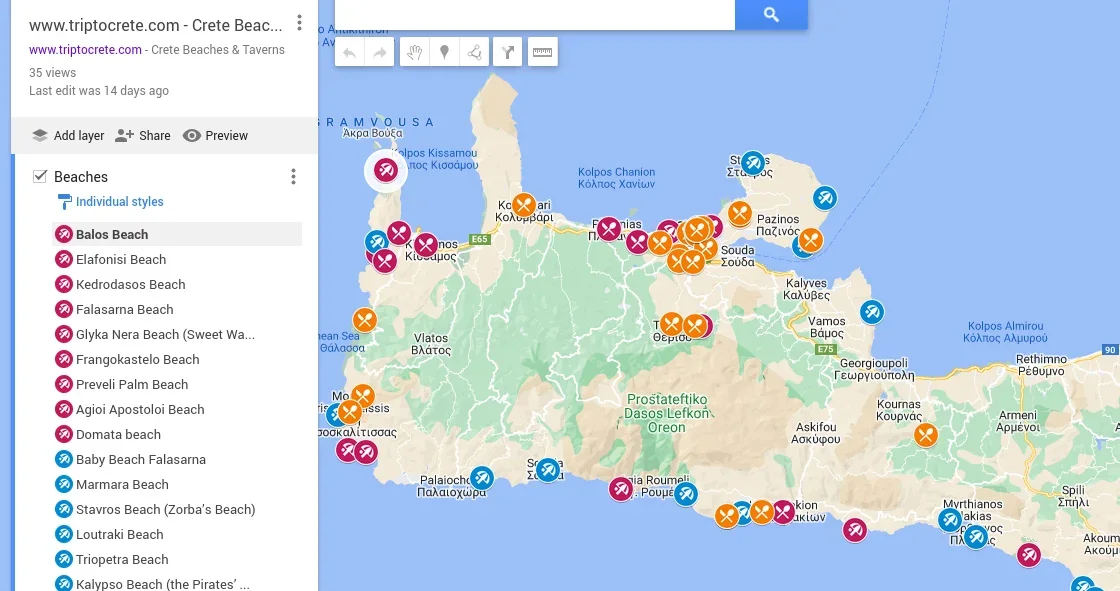
Western Crete is a paradise of dramatic coastlines, crystal-clear turquoise waters, and authentic Greek culture that has…
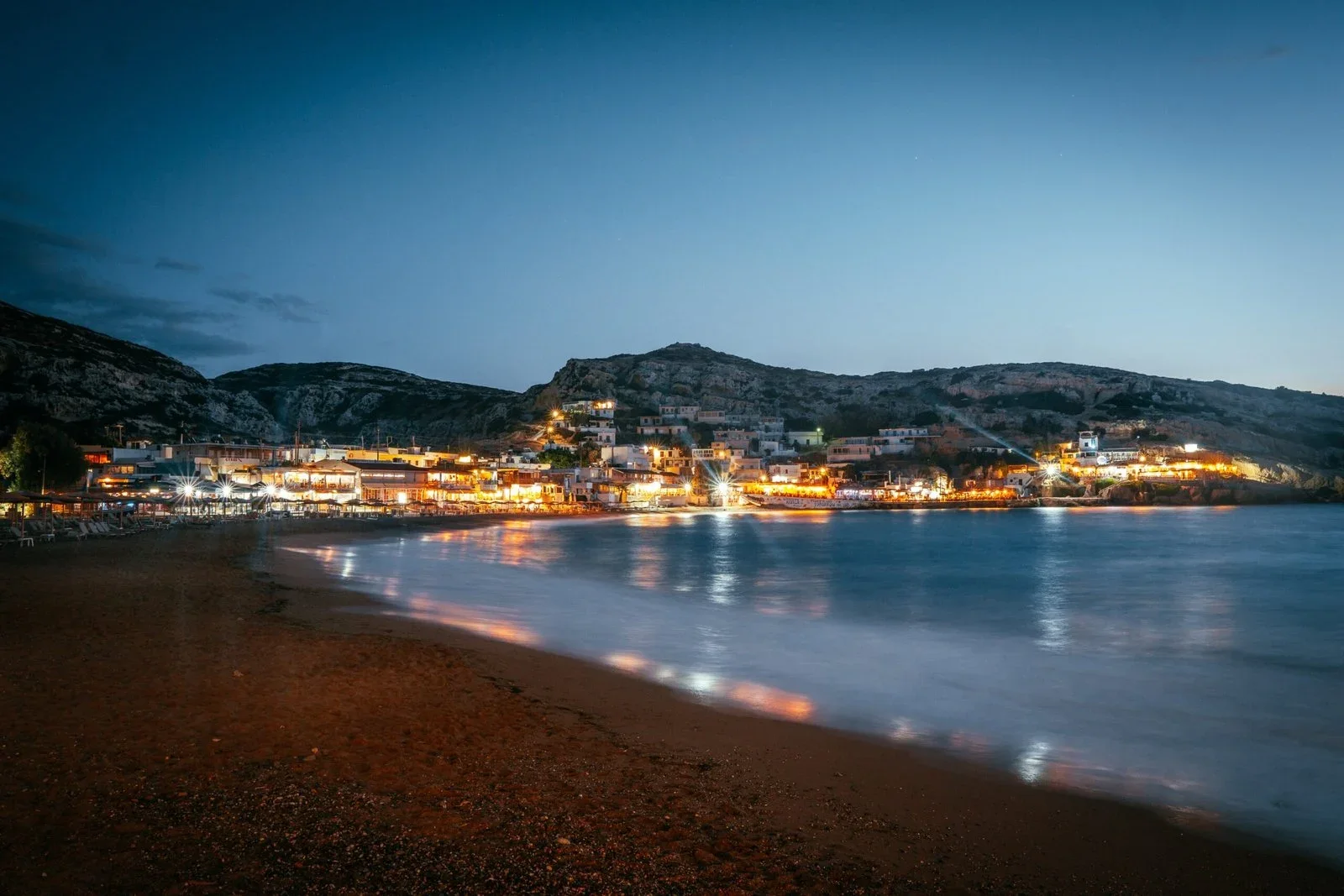
Located οn the southern side of the Aegean Sea, Crete, in Greece, is the biggest of all Greek islands. Its beauty, though…