Chania, ciudades y regiones
Tres días en Chania: ciudad, costa y una salida más grande
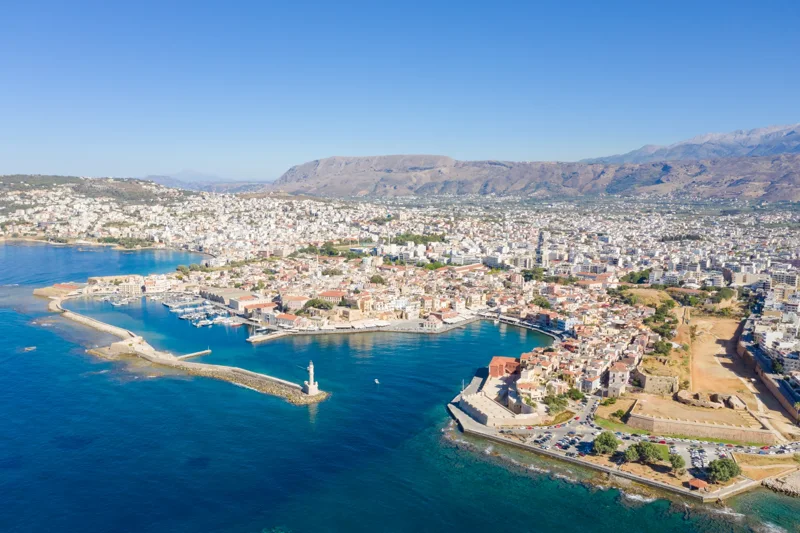
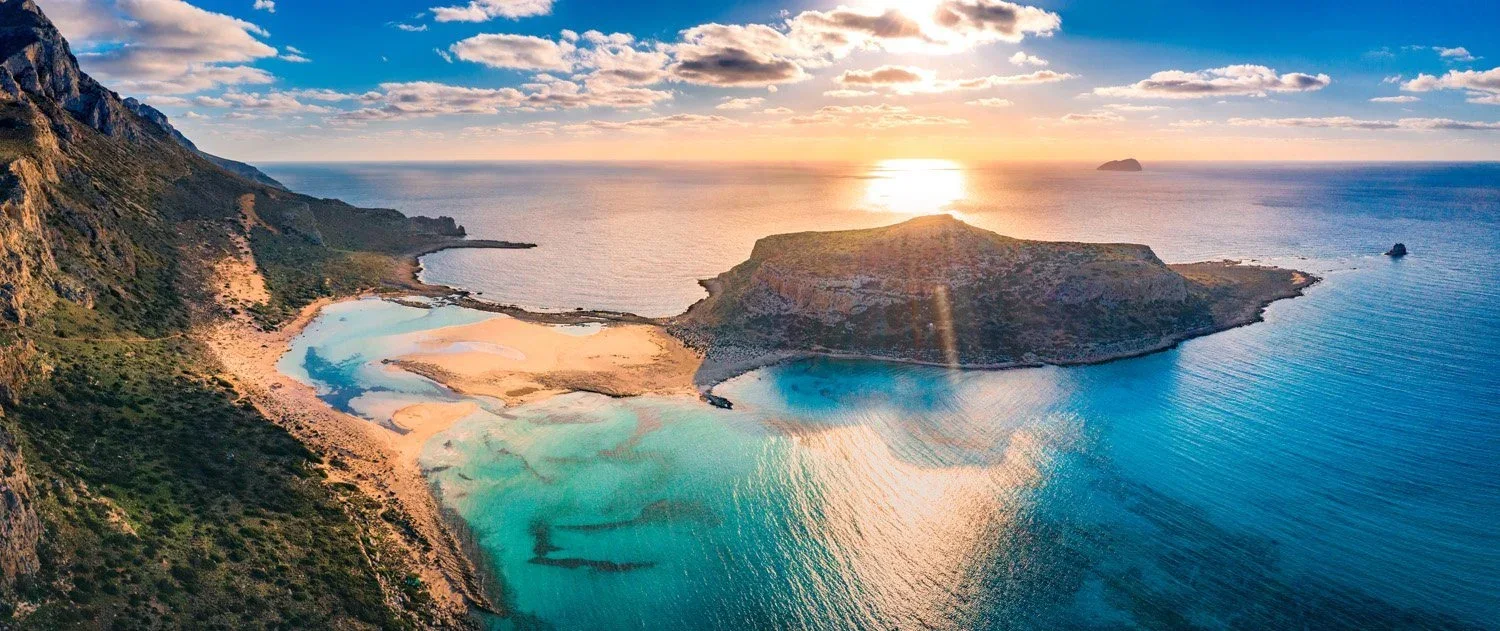
Un plan de tres días en Chania: el primero en el casco antiguo y el puerto, el segundo en Akrotiri o la costa cercana, el tercero para Samaria, Balos o Elafonisi.
54 guías
No hay guías que coincidan. Prueba otro nombre o mira todas las guías.
Un plan de tres días en Chania: el primero en el casco antiguo y el puerto, el segundo en Akrotiri o la costa cercana, el tercero para Samaria, Balos o Elafonisi.
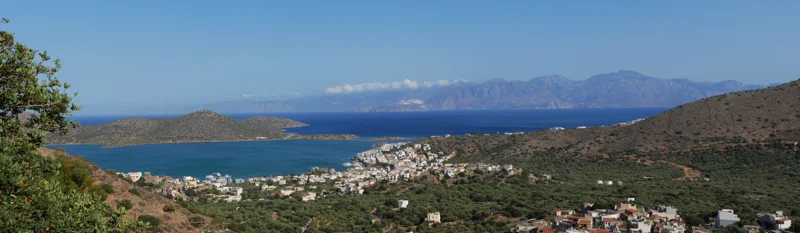
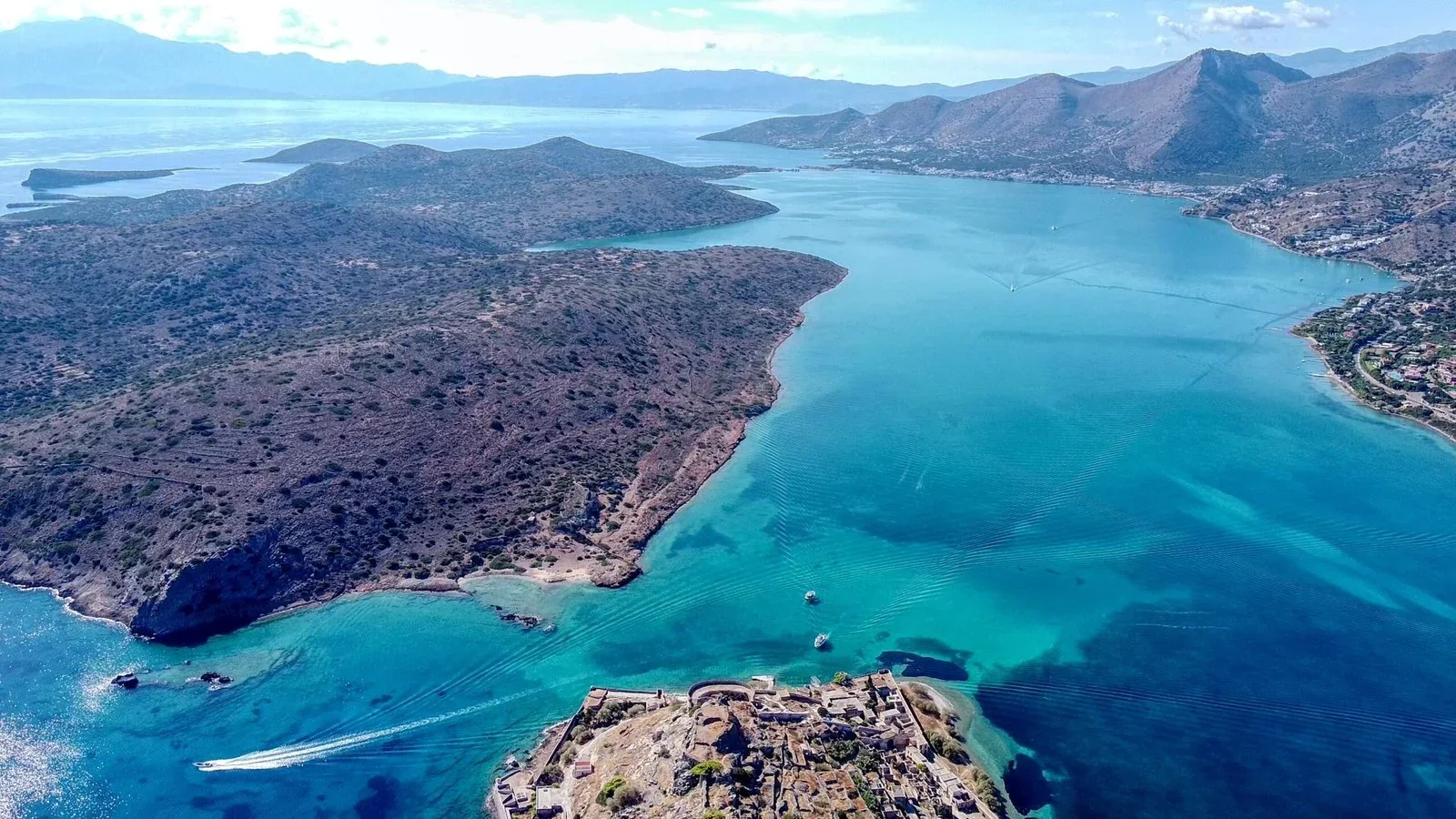
Elounda, a 10 km al norte de Agios Nikolaos: barcos a Spinalonga, el canal de Poros y los molinos, la ciudad sumergida de Olous y la playa de Kolokytha.
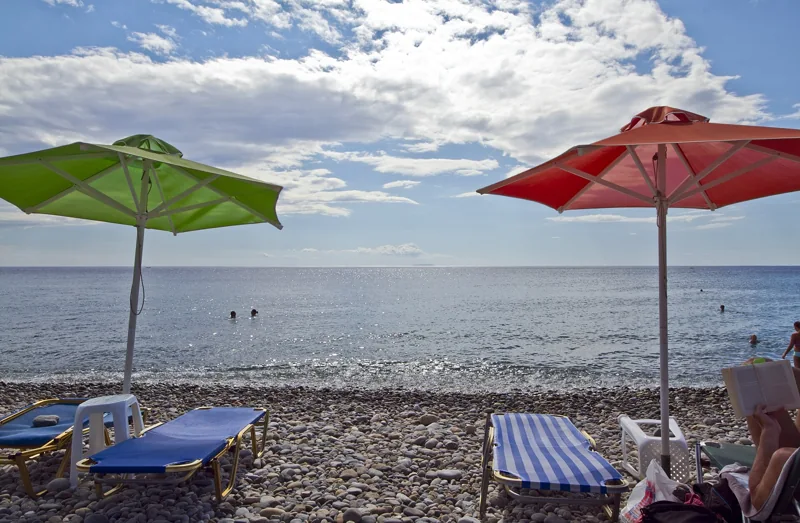
Paleochora, a 77 km al sur de Chania: un pueblo en una pequeña península con una playa de arena al oeste, una de guijarros al este, las ruinas del Castel Selino y ferris por la costa sur.
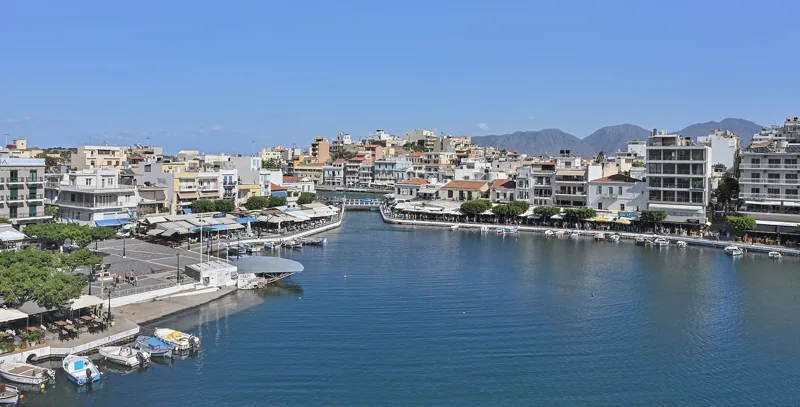
Agios Nikolaos, en el golfo de Mirabello: el lago Voulismeni, unido al mar en 1870, una pequeña playa urbana y excursiones fáciles a Elounda, Spinalonga, Kritsa y Lato.
Conducir en Creta explicado por gente de aquí: costumbres en la carretera nacional, carreteras de montaña, pistas y seguro, aparcar en Chania, combustible y las normas que debes conocer.
Un viaje de 7 días en coche por el oeste de Creta desde Chania: el casco antiguo, Balos, Falasarna, Elafonisi, la garganta de Samaria, Loutro y Sfakia, y Rétimo o Preveli.
Cuándo ir a Creta: temperatura del mar, afluencia, precios y tiempo mes a mes, desde el senderismo de primavera hasta el mar cálido de septiembre y octubre.
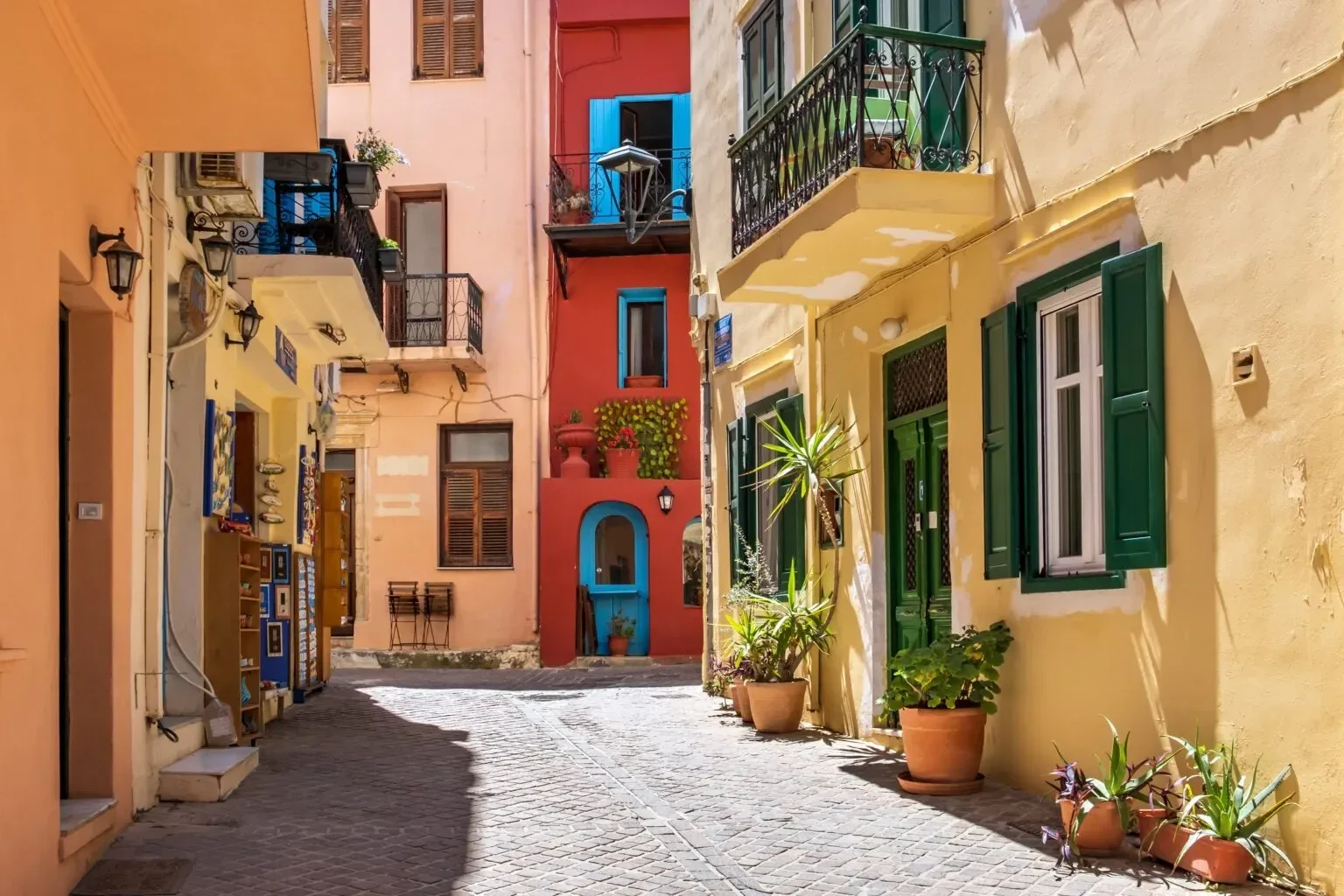
Las mejores cosas que hacer en Chania, elegidas por gente de aquí: el puerto veneciano y el casco antiguo, mercados, museos, playas, miradores para el atardecer y las mejores excursiones.
El casco antiguo de Chania a pie: el puerto veneciano, Topanas, Splantzia, el barrio judío y más. Guía práctica de paseo con historia, consejos y mirada local
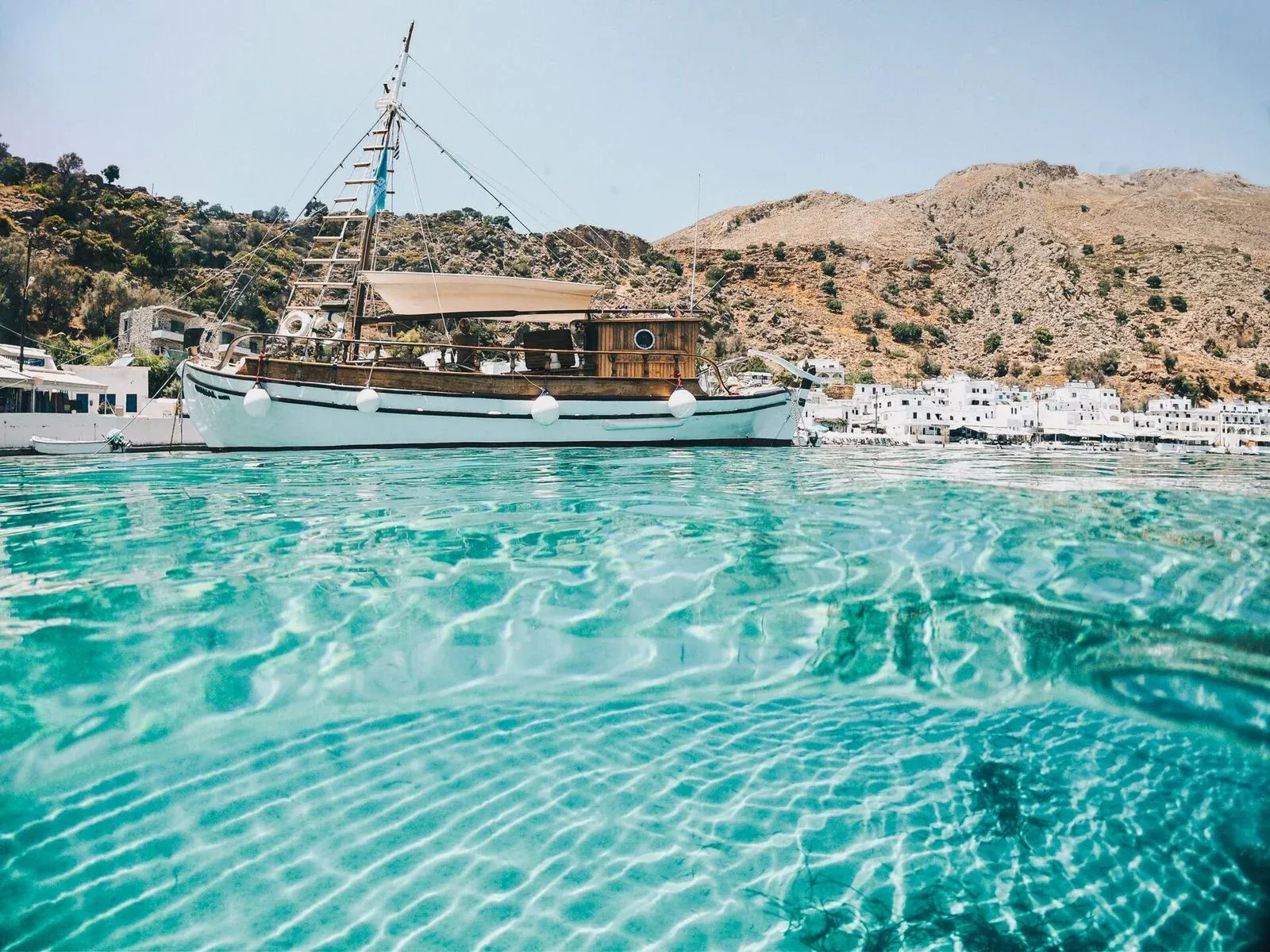
Loutro, en Sfakia, al suroeste de Creta: un pueblo sin coches al que se llega en barco o a pie, su puerto antiguo y su historia, playas cercanas y cómo llegar.
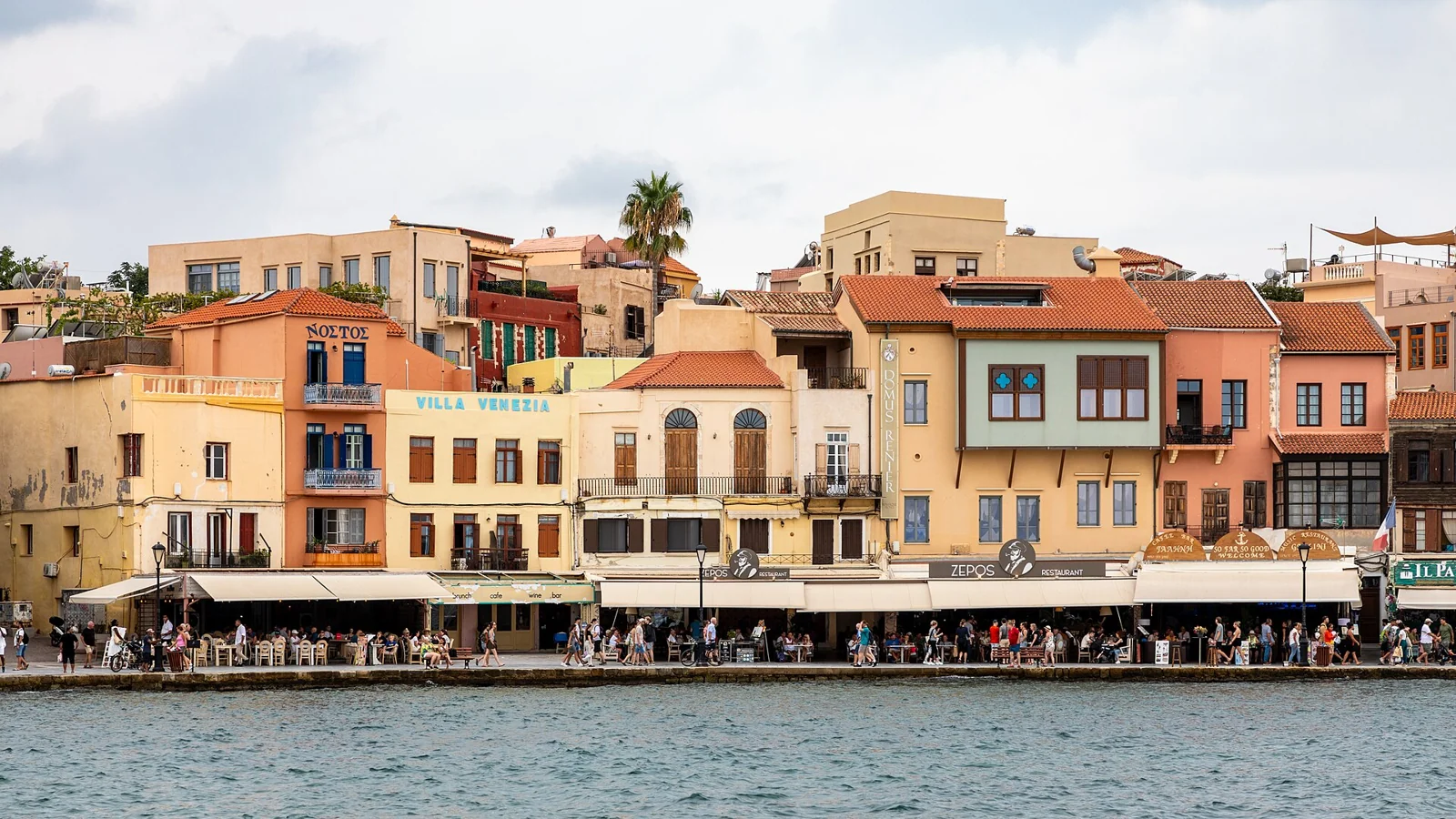
Creta es la mayor de las islas griegas y la quinta isla más grande del Mediterráneo. Con un rico pasado histórico y cultural…
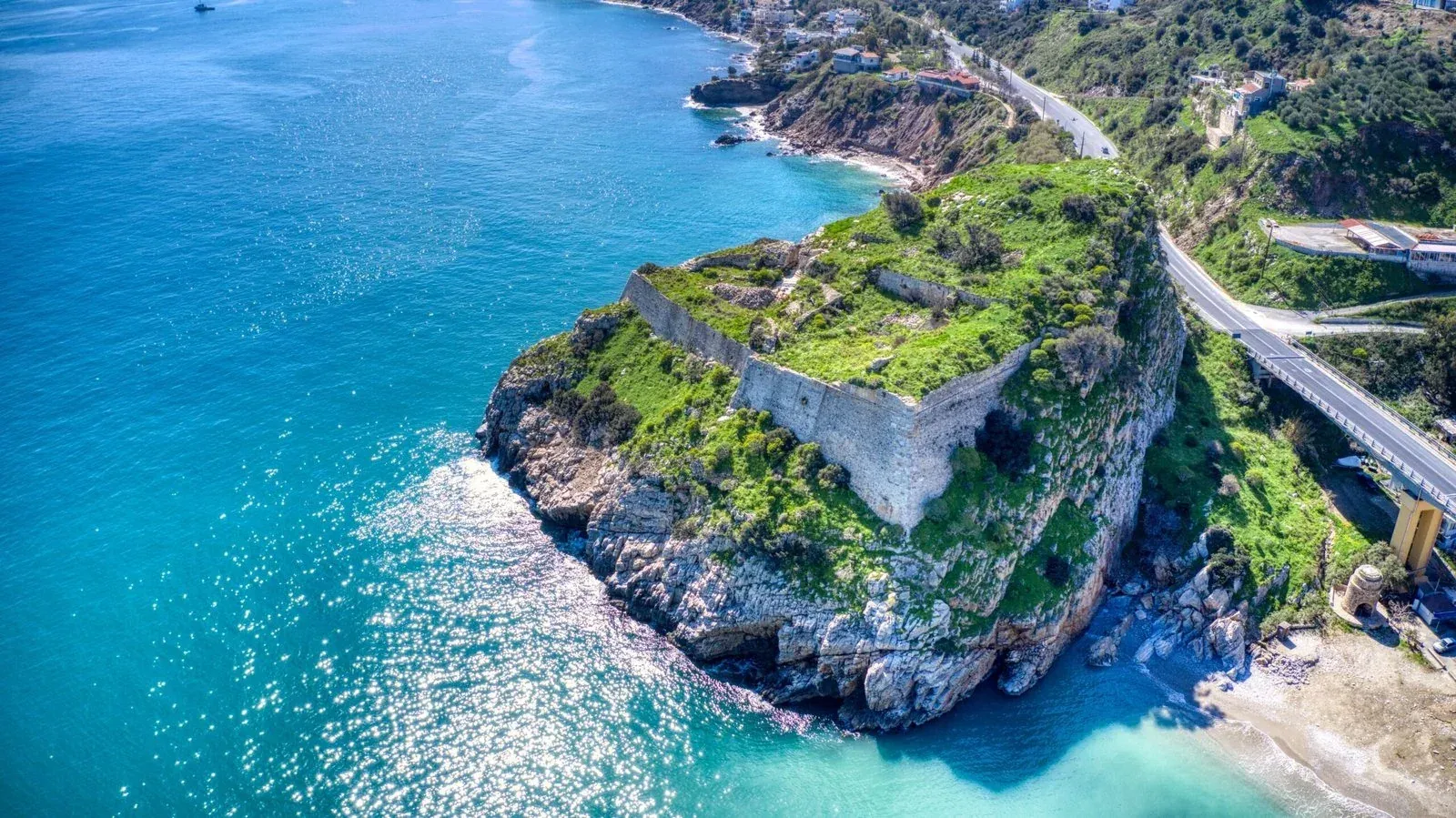
Heraclión, la capital de Creta, cerca de los palacios minoicos de Cnosos y Festo: su museo, la fortaleza veneciana y qué ver en la ciudad y alrededores.
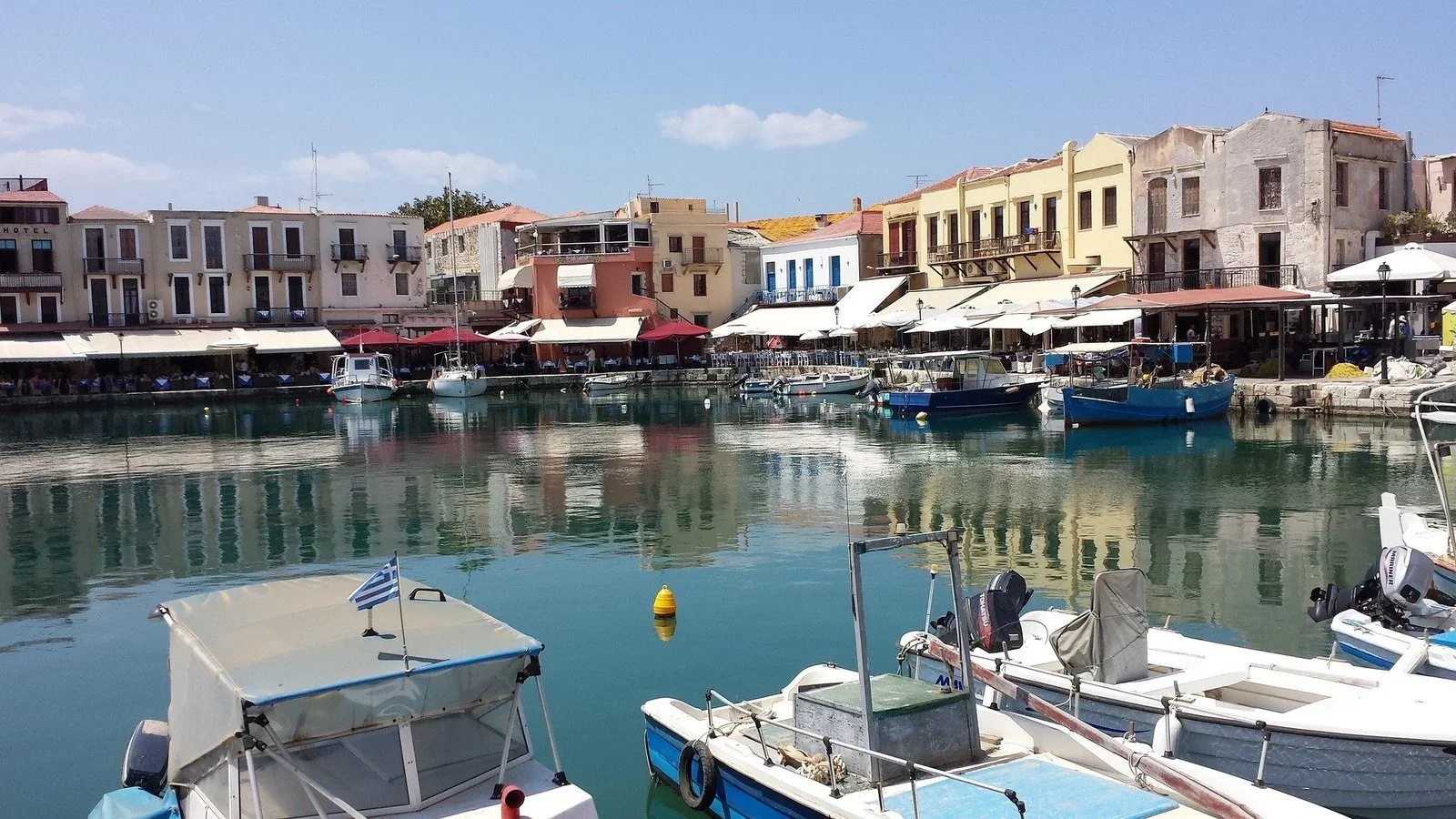
Rétimo, en Creta: el casco antiguo veneciano y la fortaleza Fortezza, playas, el monasterio de Arkadi y Preveli cerca. Qué ver y hacer en la región.
Lasithi, la región menos turística de Creta: Agios Nikolaos, Elounda y Spinalonga, la meseta de Lasithi, Sitia y la playa de palmeras de Vai.
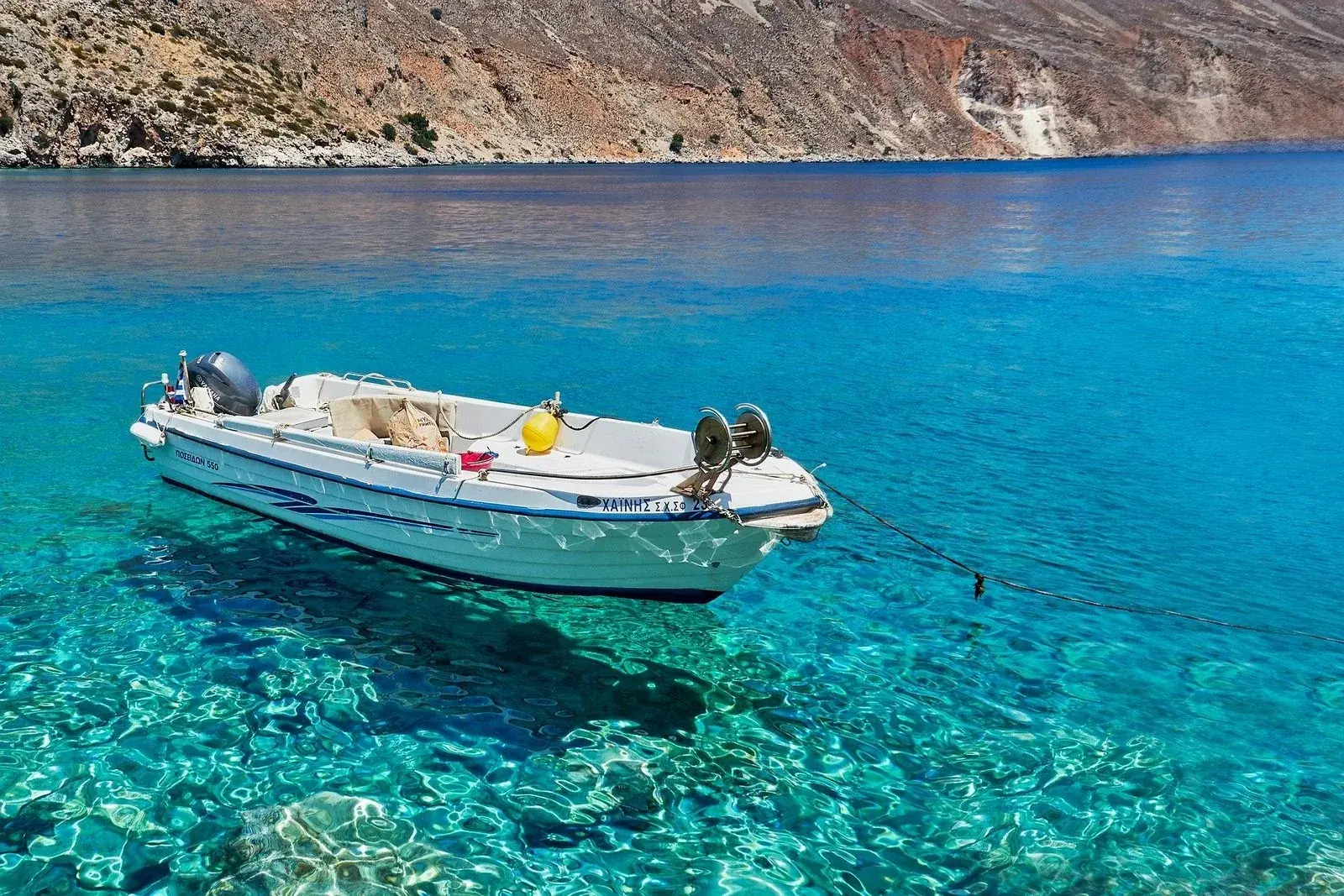
Sfakia, en el suroeste de Creta: el histórico pueblo de Chora Sfakion sobre el mar de Libia, la garganta de Imbros y la agreste región que lo rodea.
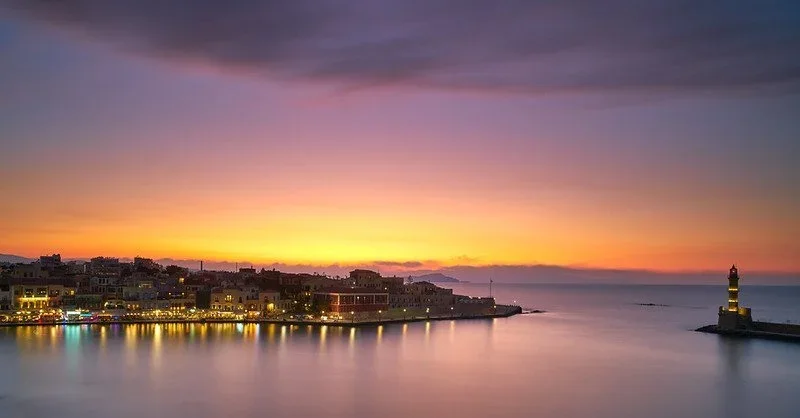
Chania es una ciudad vibrante con mucho pulso. Sentado en un café del puerto viejo, absorbes los sonidos, los olores y los colores con el…
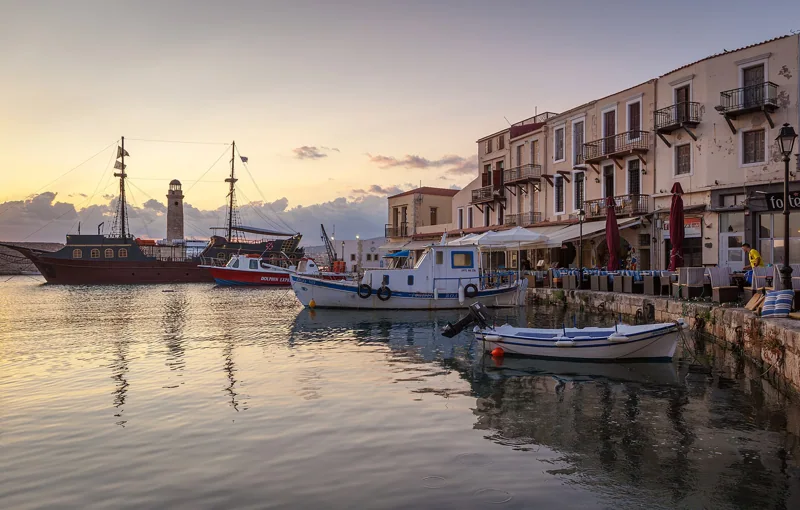
Two days in Rethymno: the Fortezza, Venetian harbour and Rimondi fountain on day one, then Arkadi or the south coast, with time on the town beach.
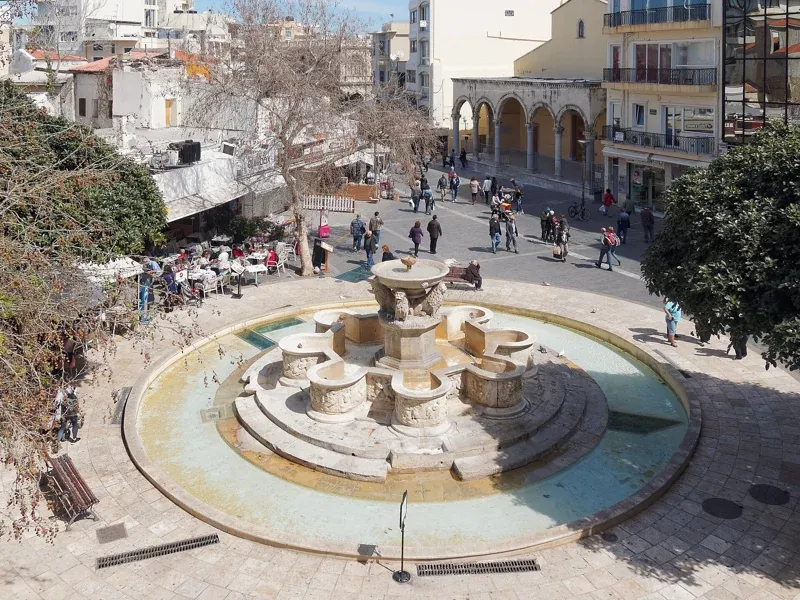
Two days in Heraklion: the Archaeological Museum and Venetian old town on day one, Knossos and lunch in Archanes on day two.
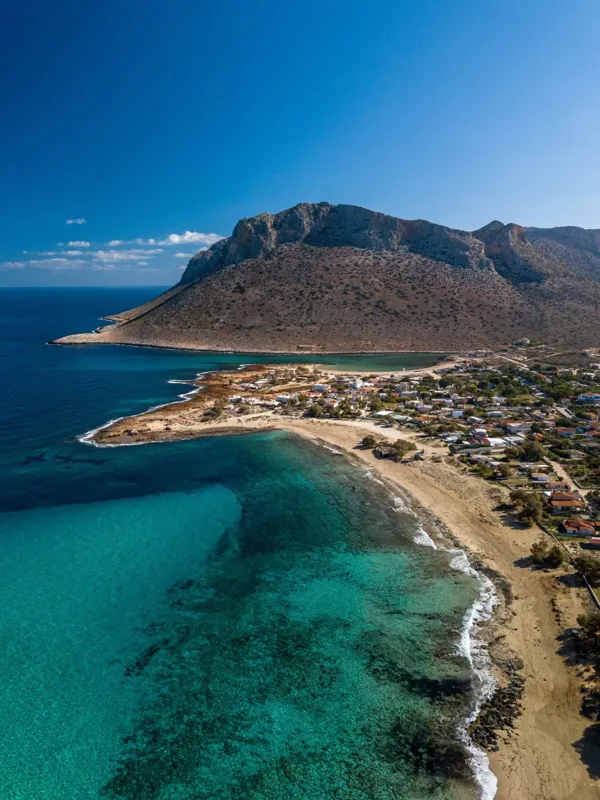
A one-day Akrotiri loop from Chania: Venizelos graves, Agia Triada and Gouverneto monasteries, a swim at Stavros or Marathi, and a fish lunch.
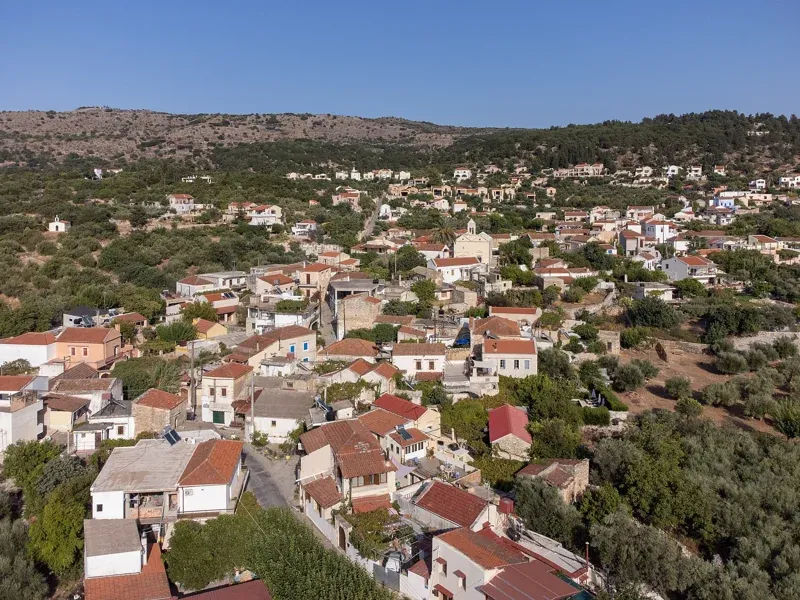
One day in Apokoronas from Chania: Aptera's ruins, Vamos and Gavalochori villages, a taverna lunch and a late swim at Almyrida or Kalyves.
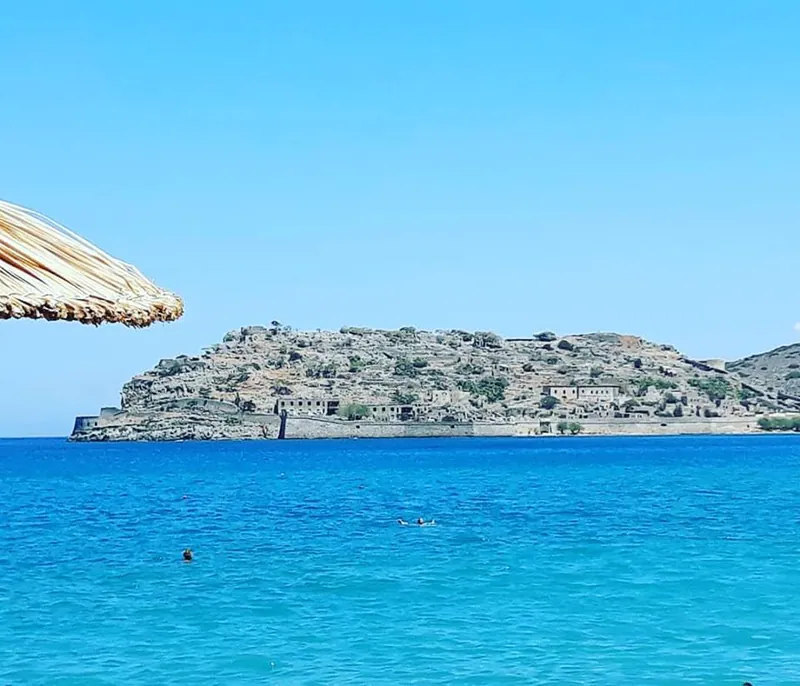
A Mirabello Gulf day: morning in Agios Nikolaos, Elounda and the Poros canal, the short boat to Spinalonga from Plaka and a fish lunch by the water.
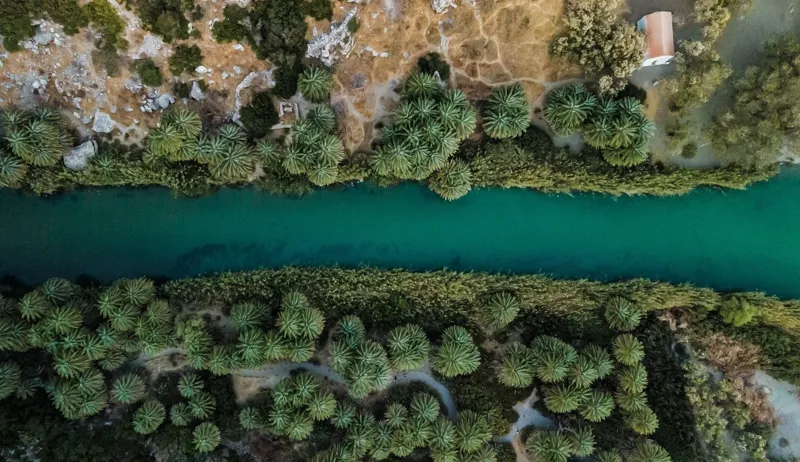
A one-day loop from Rethymno: coffee by the Spili fountain, the Kourtaliotiko gorge, Preveli monastery and palm beach, then a late swim in Plakias.
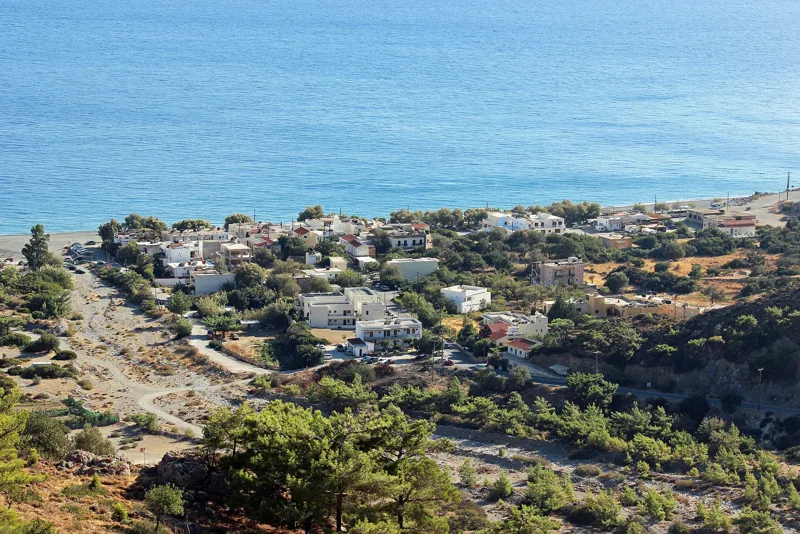
Paleochora or Sougia? Paleochora is a small town with two beaches, shops and nightlife; Sougia is a quiet village with one long beach and gorge walks.
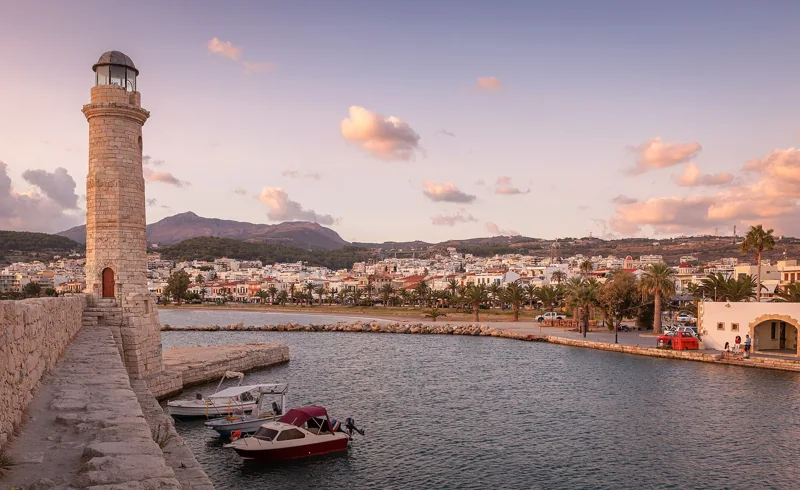
Chania or Rethymno as a base? Chania has the airport, a bigger old town and west Crete's famous beaches; Rethymno is central, smaller and has a long town beach.
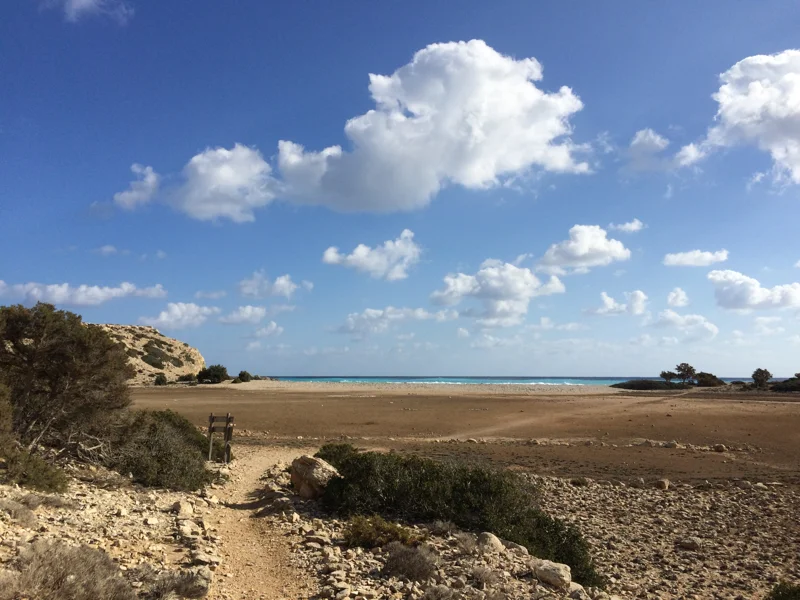
Gavdos, about 40 km south of Crete: Europe's southernmost point, 150 winter residents, Sarakiniko and Tripiti beaches, and ferries from Sfakia or Paleochora.
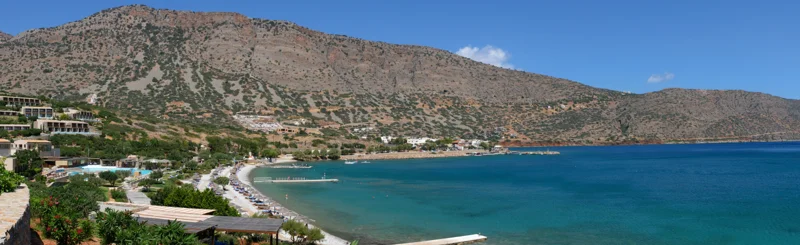
Plaka, 16 km north of Agios Nikolaos: a small village directly opposite Spinalonga, with pebble beaches, fish tavernas and the shortest boat crossing.
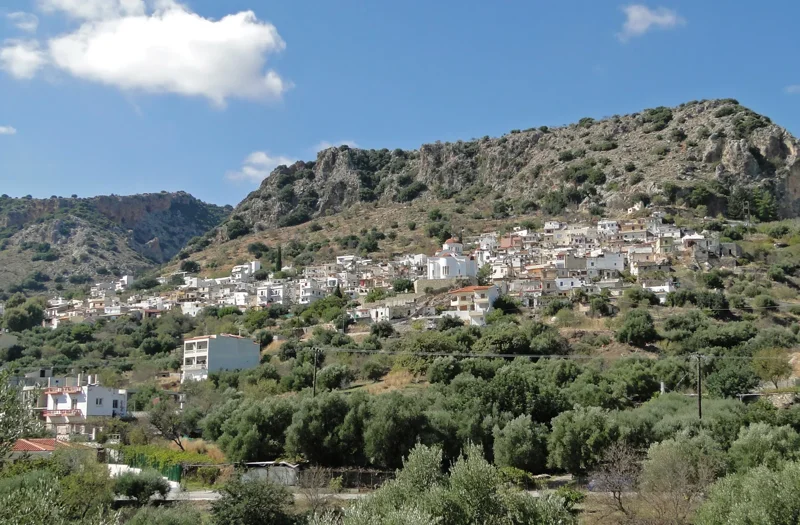
Kritsa, 10 km from Agios Nikolaos: the Byzantine Panagia Kera church with 13th–14th-century frescoes, weaving shops and the ancient city of Lato.
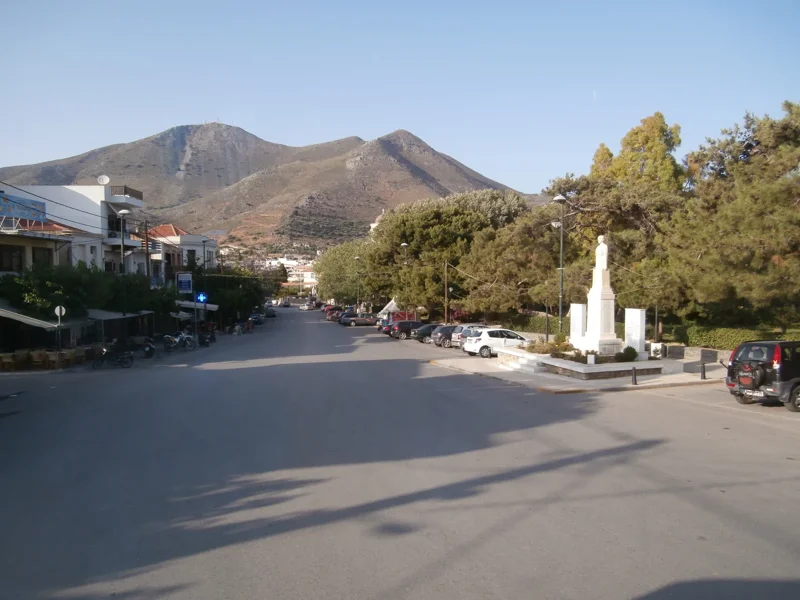
Neapoli, 15 km west of Agios Nikolaos: capital of Lasithi from 1868 to 1904, with a large cathedral, a folklore museum and soumada almond drink.
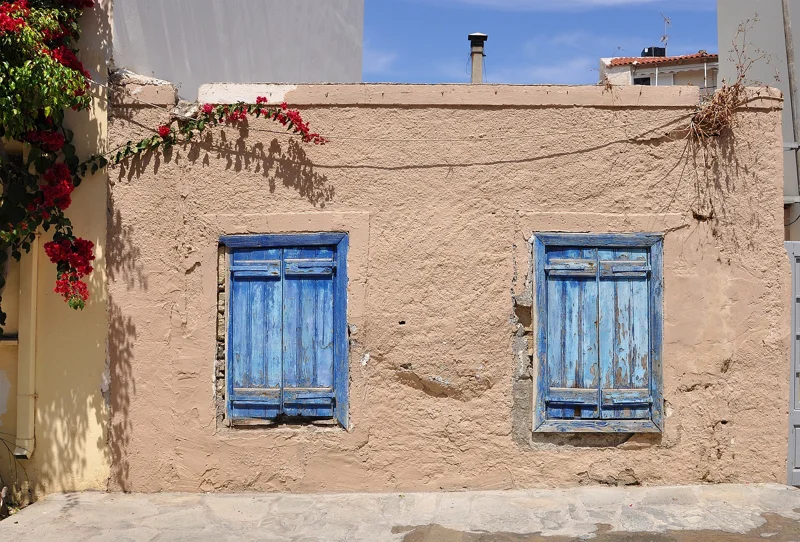
Ierapetra on the south coast: the Venetian Kales fortress, the Kato Mera old quarter, a long town beach and summer boats to Chrysi island.
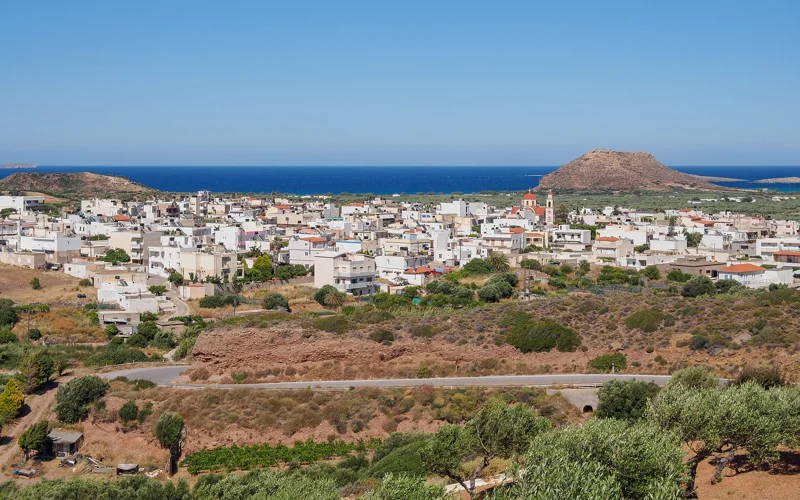
Palekastro in far east Crete: a farming village near Kouremenos and Chiona beaches, the Minoan town of Roussolakos and Toplou monastery 6 km away.
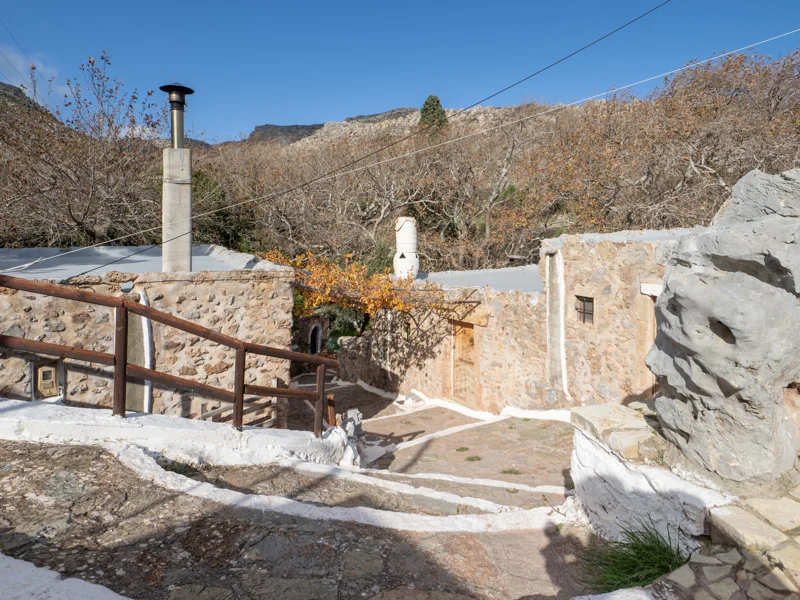
Ano Zakros, about 38 km from Sitia: a village of springs and old watermills, a water museum, a Minoan villa and the start of the Gorge of the Dead.
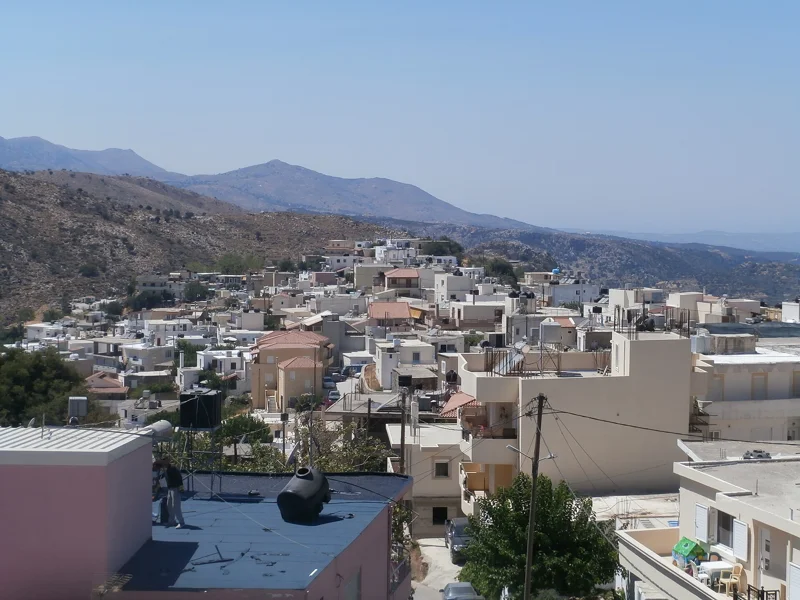
Anogia, 738 m up on Psiloritis: a village of lyra music, weaving and grilled lamb, rebuilt after 1944, and the road to the Nida plateau and Ideon cave.
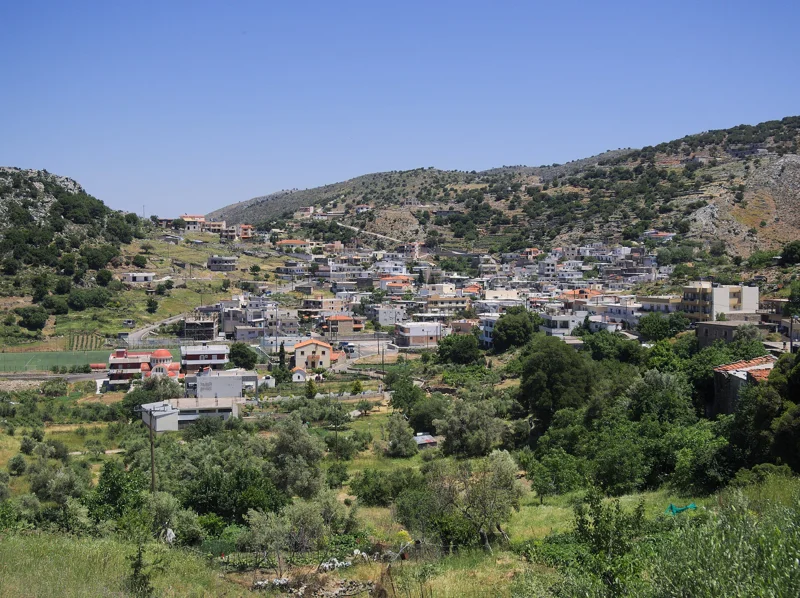
Zoniana, 630 m up on Psiloritis: a shepherding village of about 1,100 people, home to the Sfendoni cave, with Anogia and Axos a short drive away.
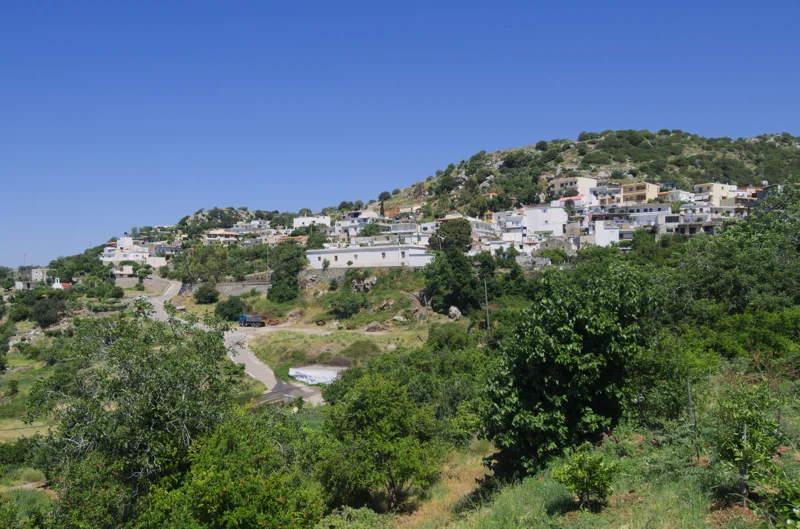
Axos in Mylopotamos: the site of ancient Oaxos, acropolis walls above the village, Byzantine churches and craft workshops on the road to Anogia.
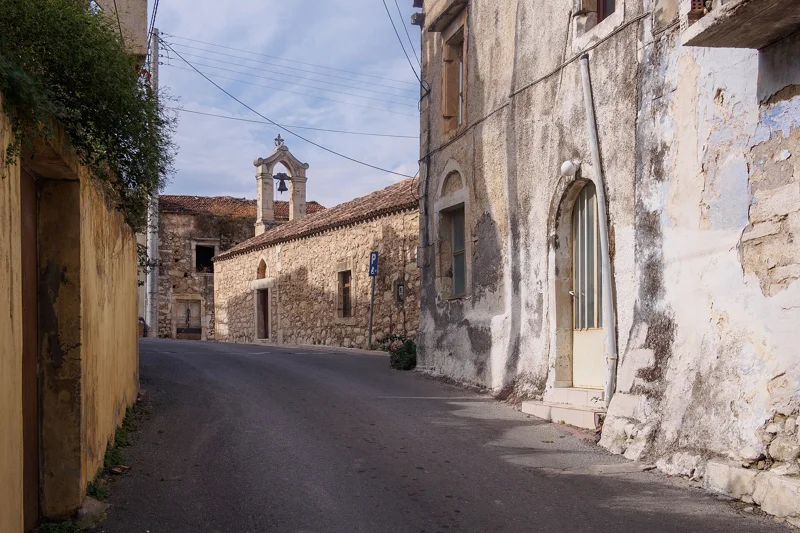
Margarites in Rethymno: one of Crete's two main pottery centres, with dozens of workshops, Venetian-era frescoed churches and Eleutherna nearby.
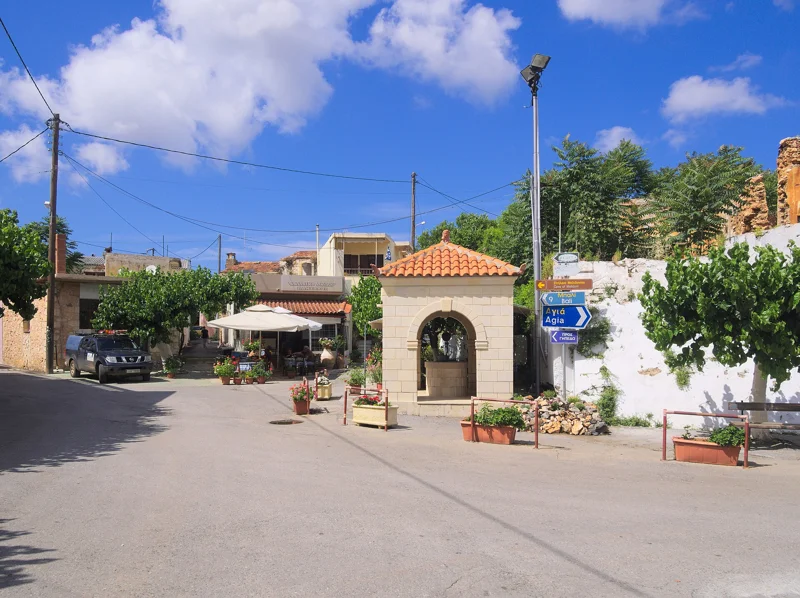
Melidoni, about 30 km east of Rethymno: a Mylopotamos olive village on the slopes of Kouloukonas, with its royal well, square and famous cave.
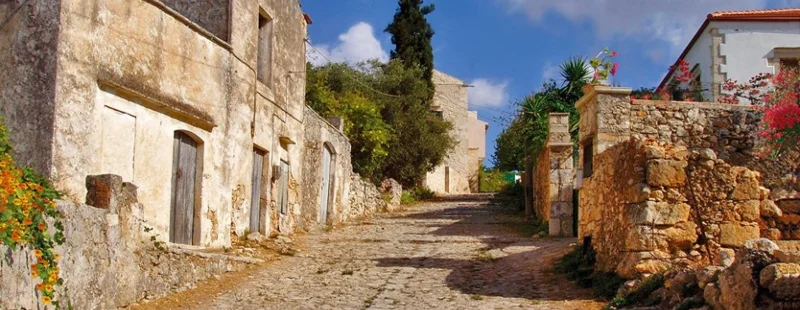
Vamos in Apokoronas, 25 km from Chania: a preserved stone neighbourhood, restored guesthouses, Karydi monastery's arched olive press and village tavernas.
Gavalochori in Apokoronas: 24 Venetian wells, a folklore museum, kopaneli lace, stone houses and Almyrida beach a few kilometres below.
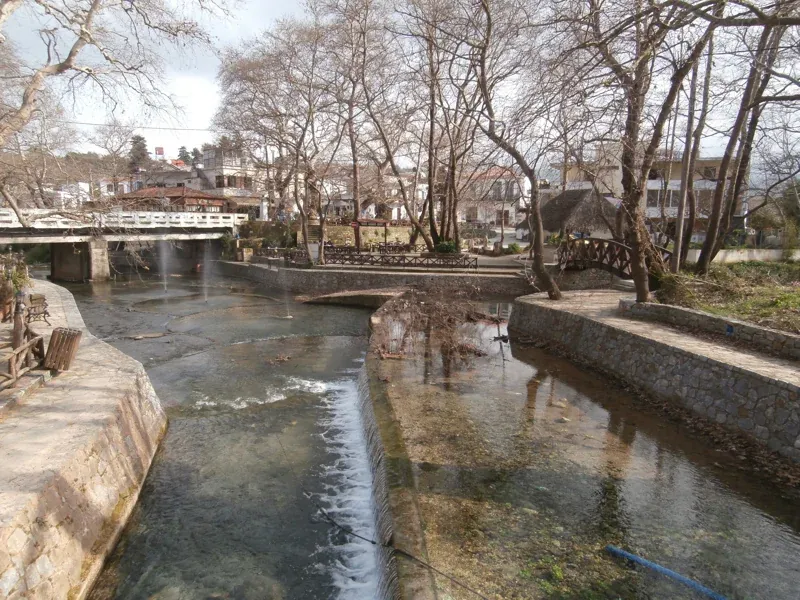
Vryses in Apokoronas: springs, a shaded river with tavernas under plane trees, Cretan yoghurt with honey and the junction for the road to Sfakia.
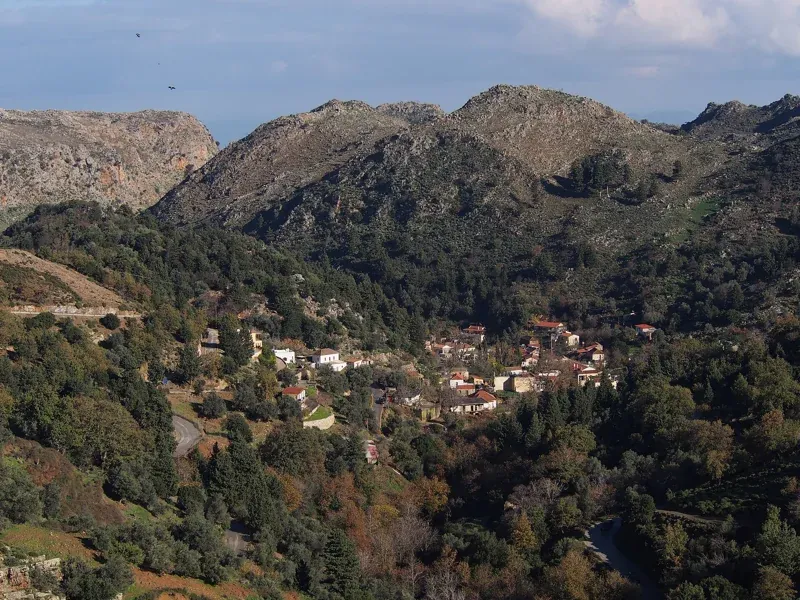
Theriso, 15 km south of Chania at 580 m: a gorge road, the 1905 Venizelos revolt, two small museums and tavernas known across Chania.
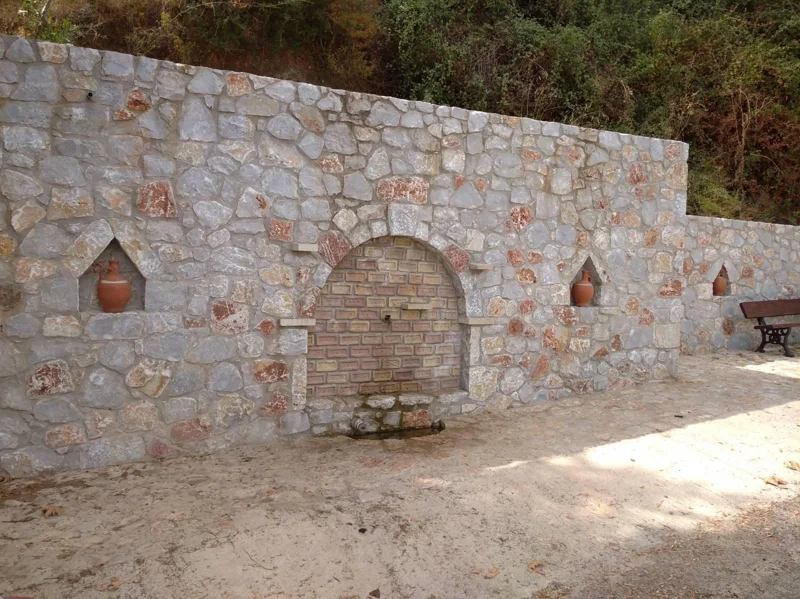
Drakona in Keramia, in the White Mountain foothills south of Chania: a quiet village of honey, olive groves and mountain views, best paired with Theriso.
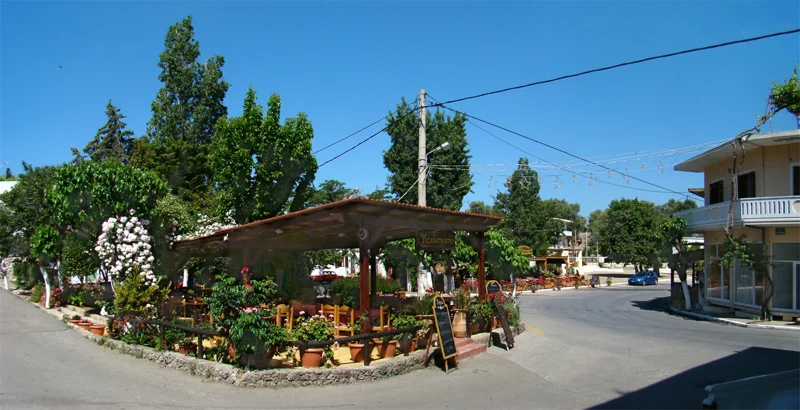
Kandanos, on the road from Chania to Paleochora: a village destroyed in 1941, now known for its memorial, Byzantine churches and a gorge walk.
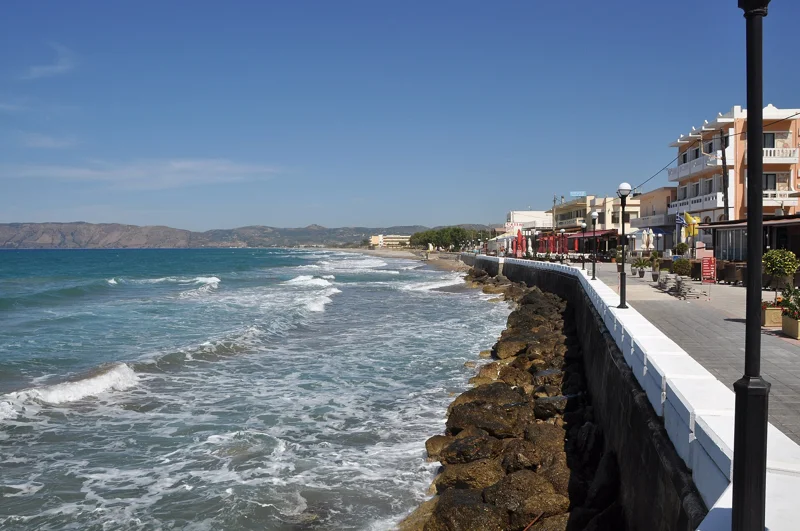
Kissamos (Kastelli), 36 km west of Chania: sandy town beaches, Roman mosaics in the museum, Venetian walls and the port for Balos and Gramvousa boats.
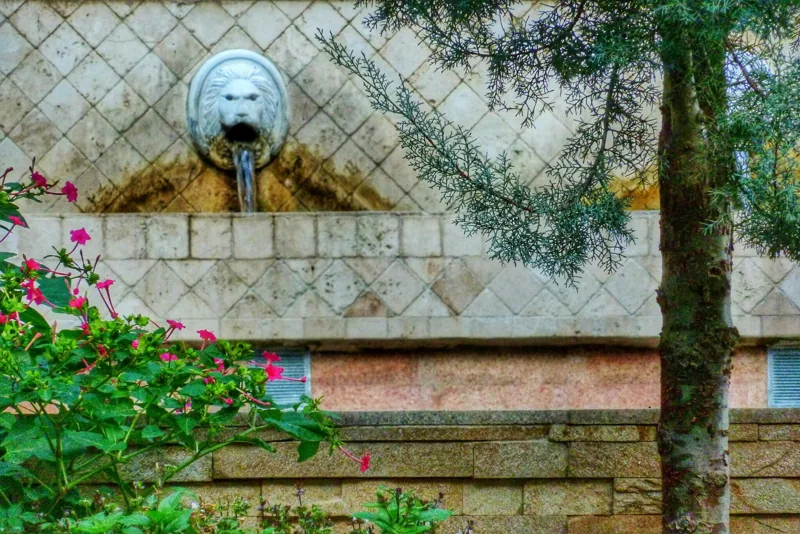
Spili, 30 km south of Rethymno at 430 m: the Kefalovrysi lion-head fountain under plane trees, old lanes and the road to Preveli and Plakias.
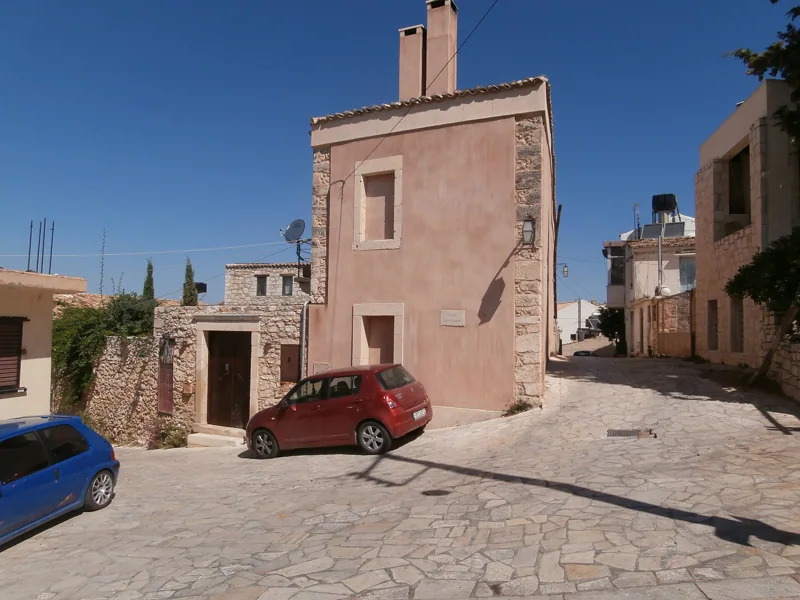
Archanes, 14 km south of Heraklion: a restored town with a Minoan palace, the Fourni cemetery, a museum, Mount Giouchtas walks and wineries nearby.
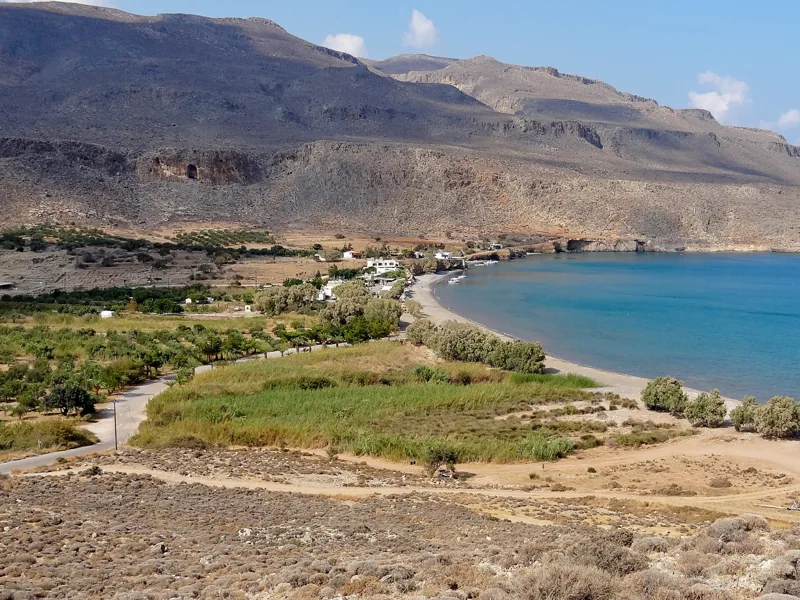
Kato Zakros in far east Crete: the fourth Minoan palace, whose treasury was found unlooted, a quiet beach, tavernas and the Gorge of the Dead walk.
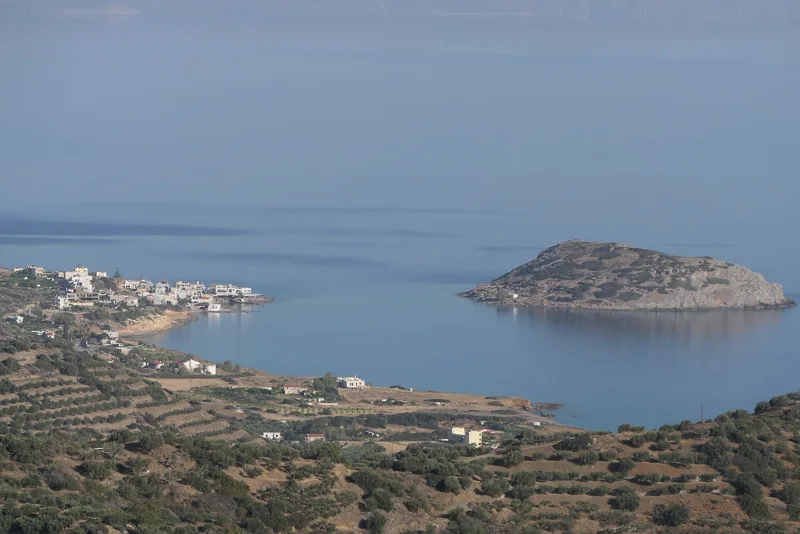
Mochlos, 35 km west of Sitia: a tiny fishing village of seafood tavernas, small beaches and a Minoan islet 150 m offshore.
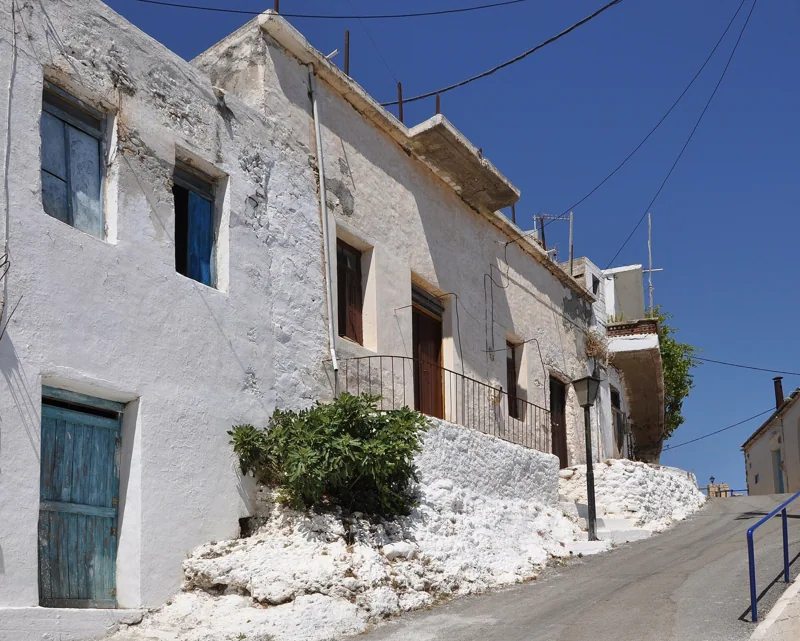
Agia Galini, 61 km south of Rethymno: a terraced harbour village on Messara Bay with a town beach, boat trips to nearby coves and the Paximadia islets.
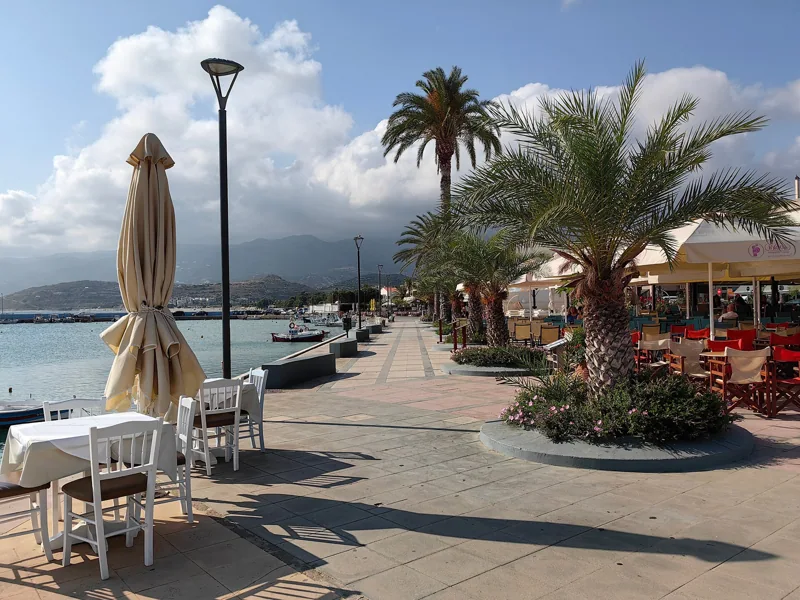
Sitia, eastern Crete's main town: a harbour promenade, the Kazarma Venetian fortress, a museum with the Palaikastro Kouros and the Petras palace.
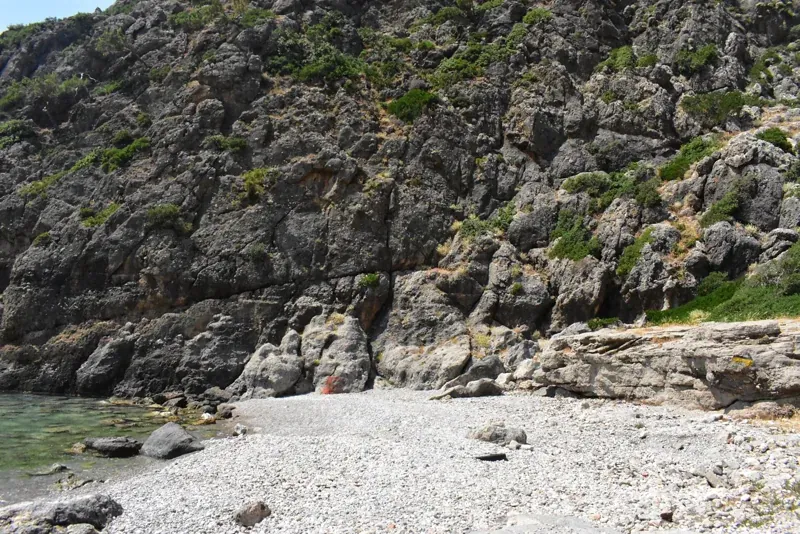
Sougia, about 70 km south-west of Chania: a long pebble beach, the end of Agia Irini gorge, a 1.5–2 hour walk to ancient Lissos and seasonal ferries.
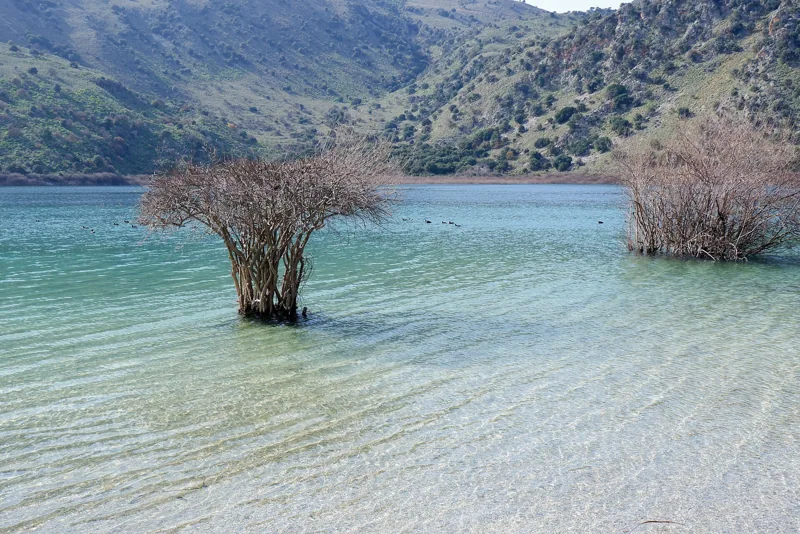
Lake Kournas, 4 km from Georgioupolis: Crete's only natural freshwater lake, 22.5 m deep, with turtles, pedal boats, tavernas and a summer sandy shore.
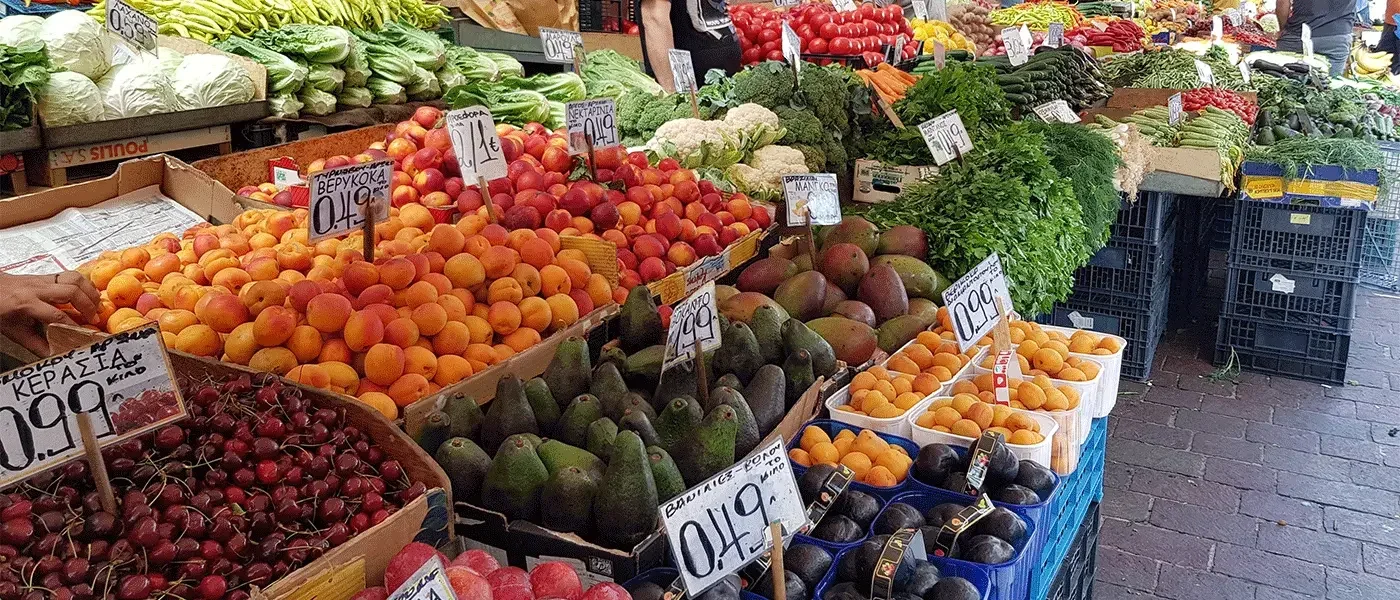
Chania Laiki Agora: Your Complete Guide to the Weekly Street Markets If you want to see the real Chania — not the postcard…
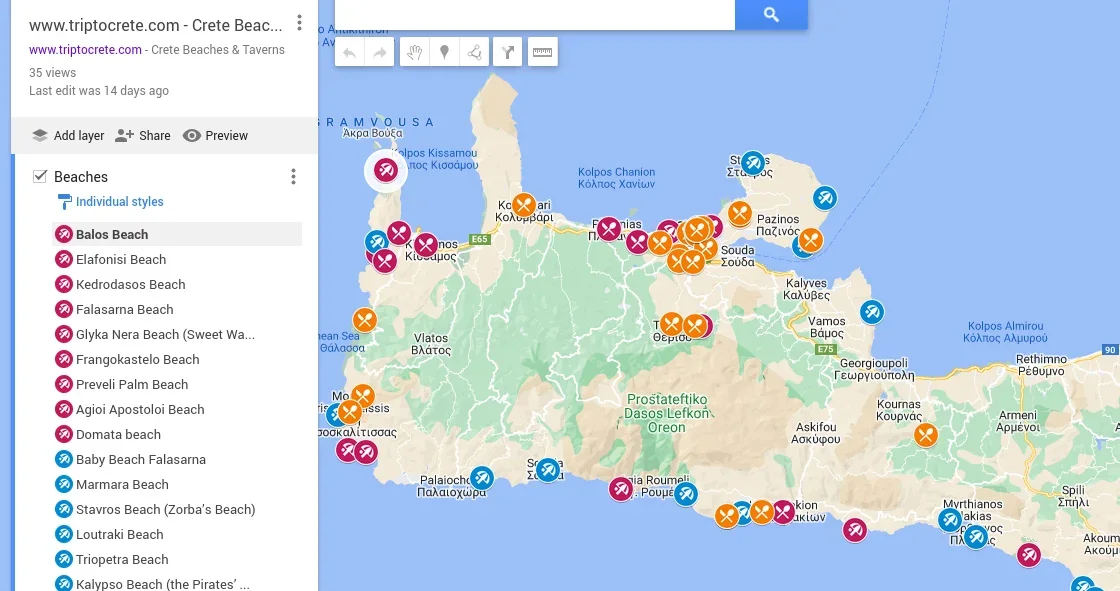
Western Crete is a paradise of dramatic coastlines, crystal-clear turquoise waters, and authentic Greek culture that has…
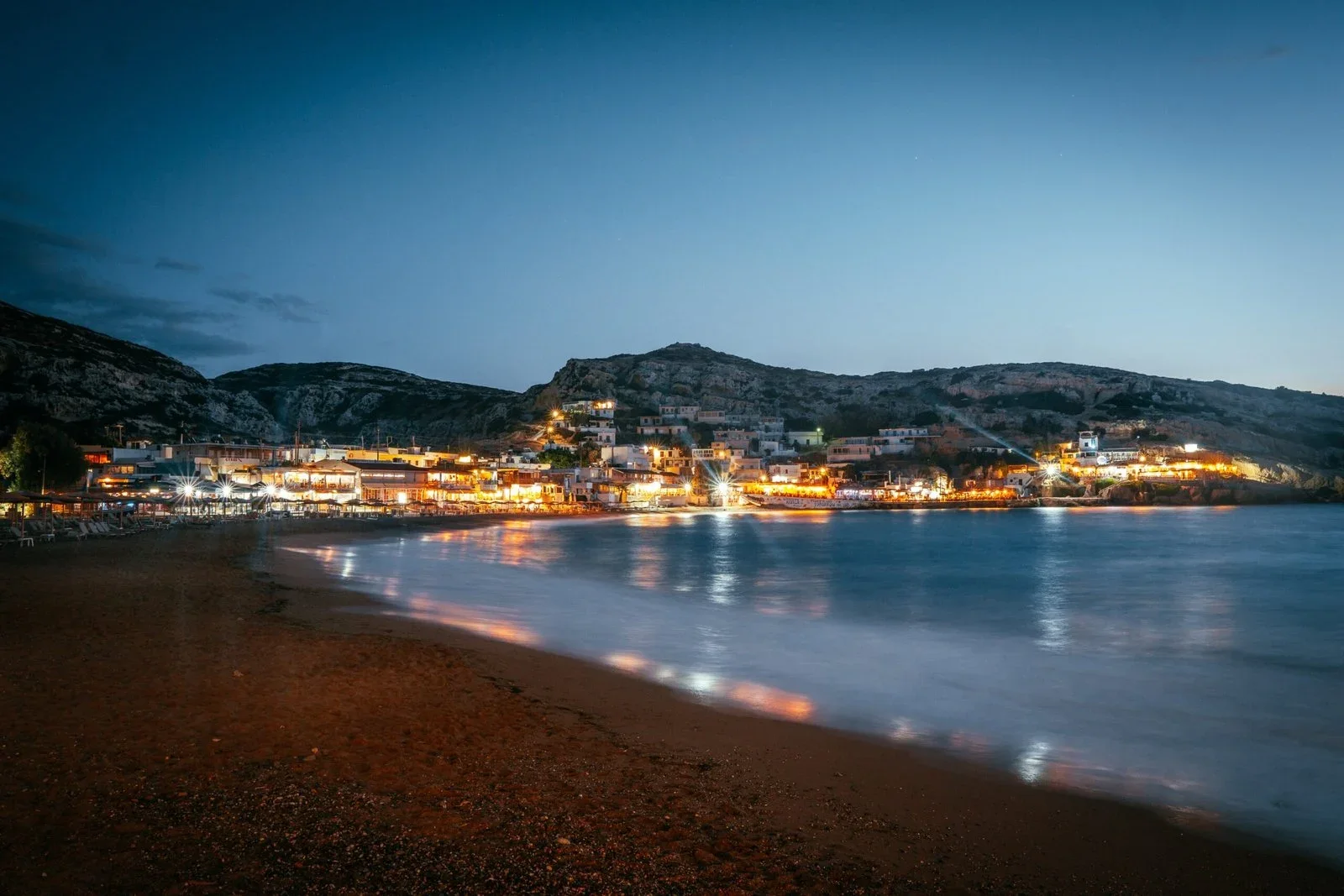
Located οn the southern side of the Aegean Sea, Crete, in Greece, is the biggest of all Greek islands. Its beauty, though…