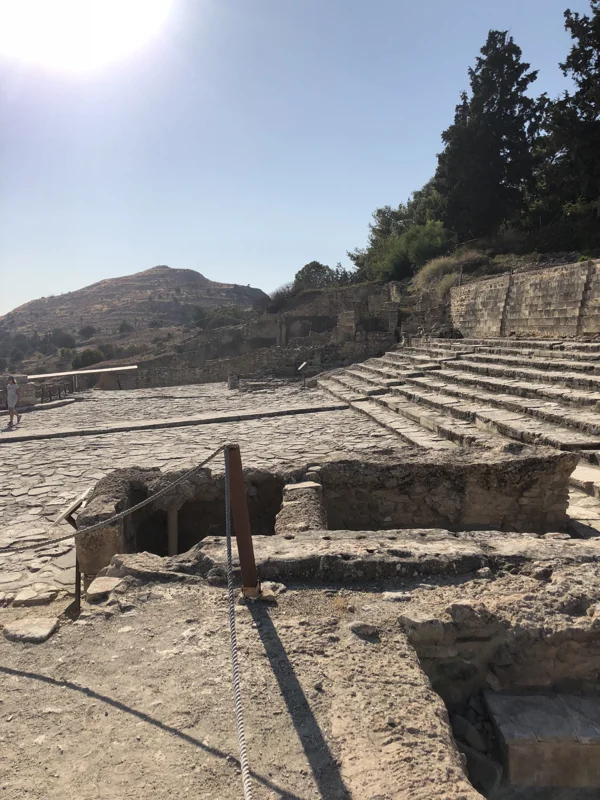
Palacio de Festo: patios, la llanura de Mesara y una ruta de visita práctica
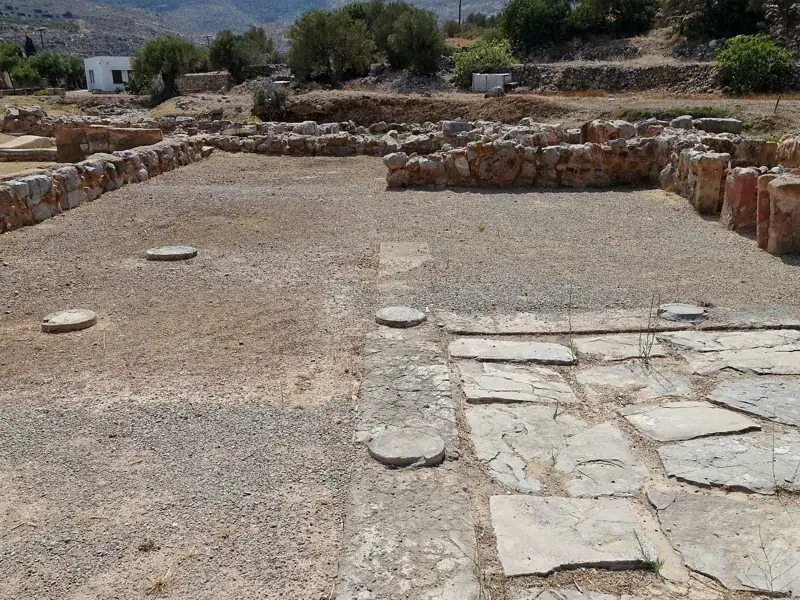
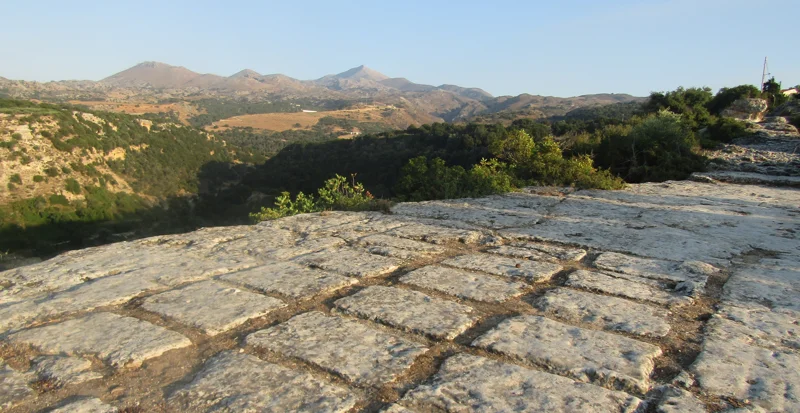
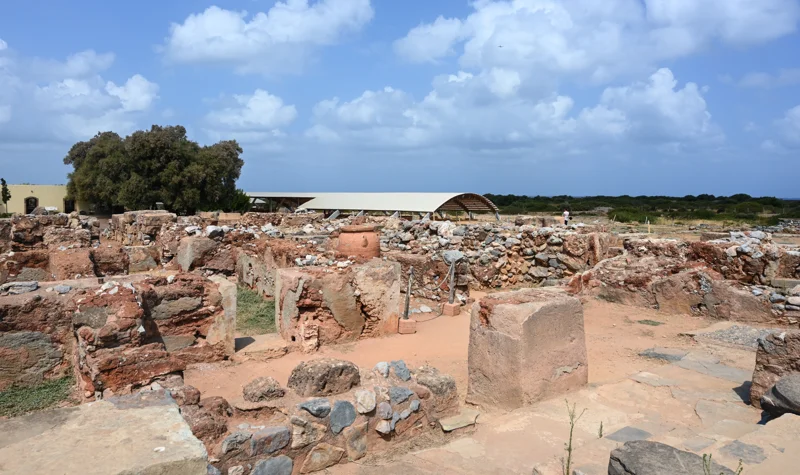
Festo, en una colina sobre la Mesara: el segundo palacio minoico más grande, donde se encontró el disco de Festo, con un área teatral y vistas al Psiloritis.
22 guías
No hay guías que coincidan. Prueba otro nombre o mira todas las guías.

Festo, en una colina sobre la Mesara: el segundo palacio minoico más grande, donde se encontró el disco de Festo, con un área teatral y vistas al Psiloritis.
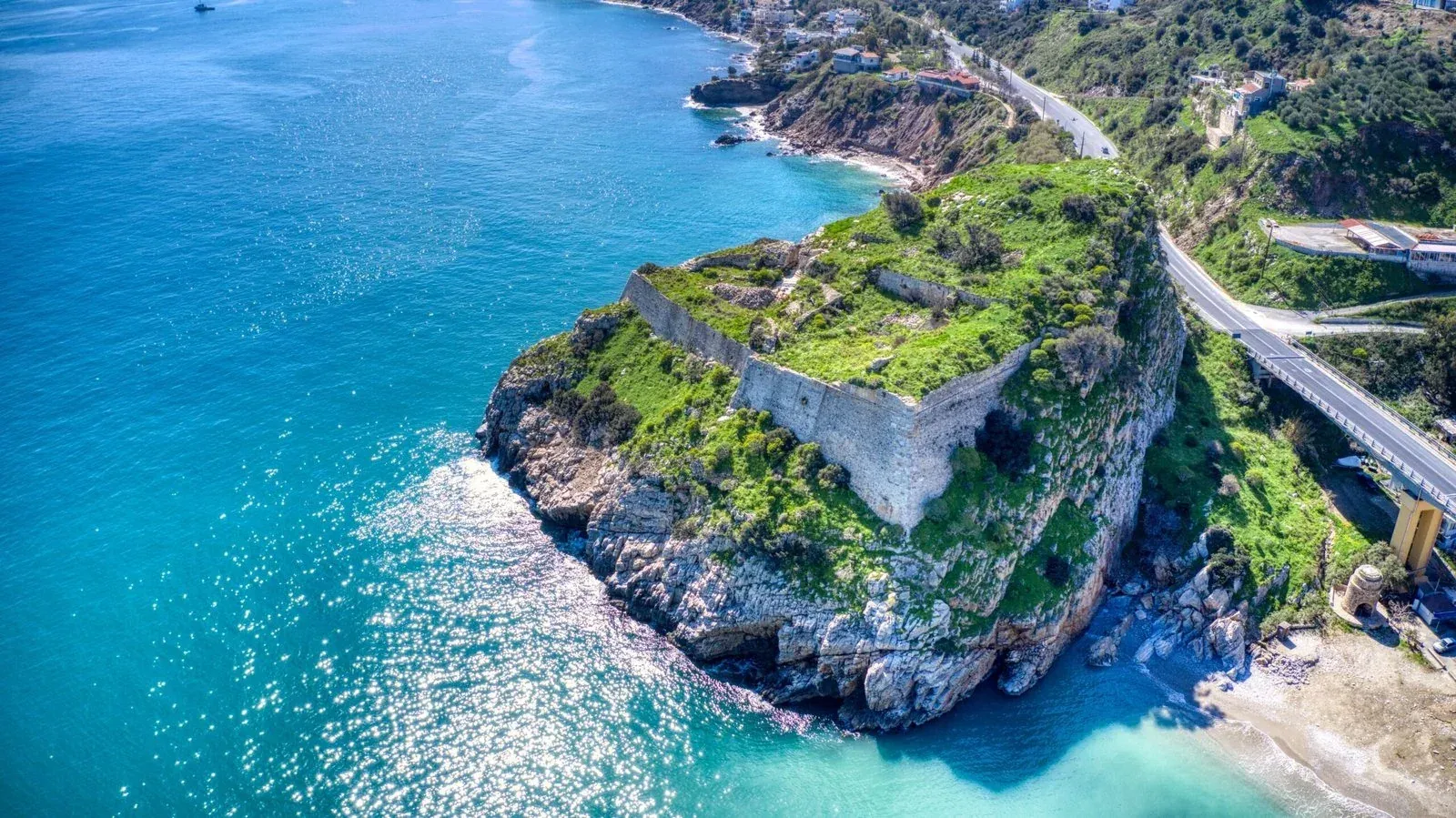
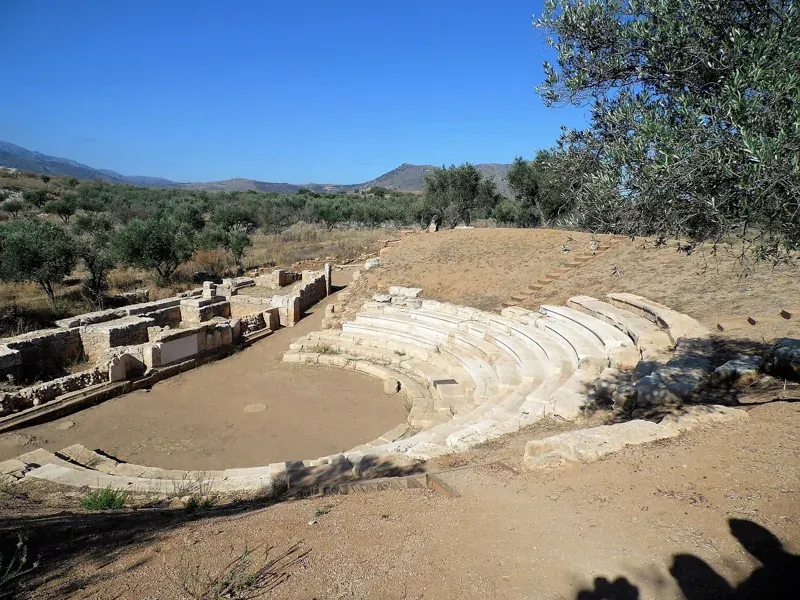
La antigua Aptera, cerca de Chania: una ciudad citada en lineal B, un teatro de 3.700 plazas, enormes cisternas romanas, un monasterio medieval y vistas sobre la bahía de Souda.

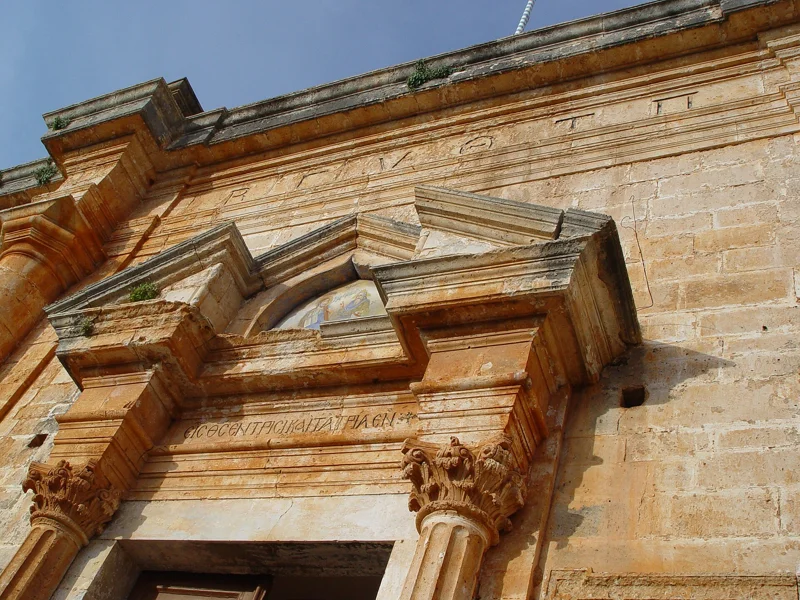
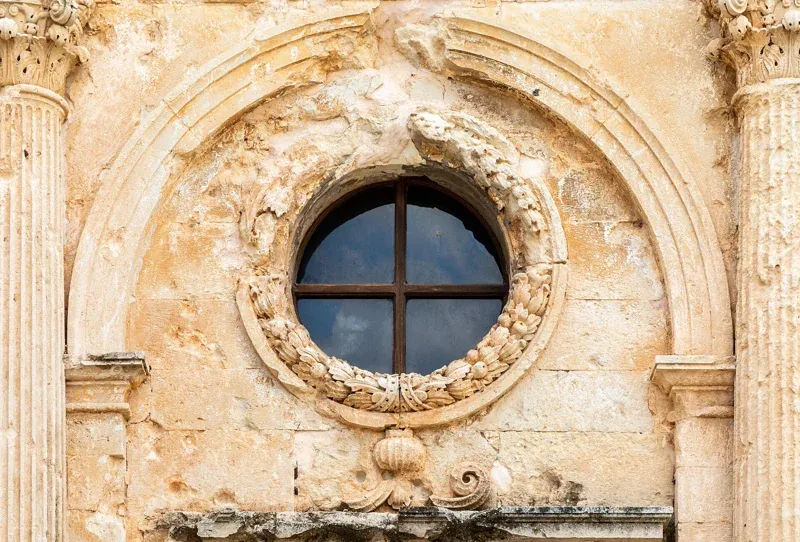
El monasterio de Arkadi, a 23 km al sureste de Rétimo: una fachada veneciana de 1587 y el asedio de noviembre de 1866 que lo convirtió en símbolo de la libertad cretense.

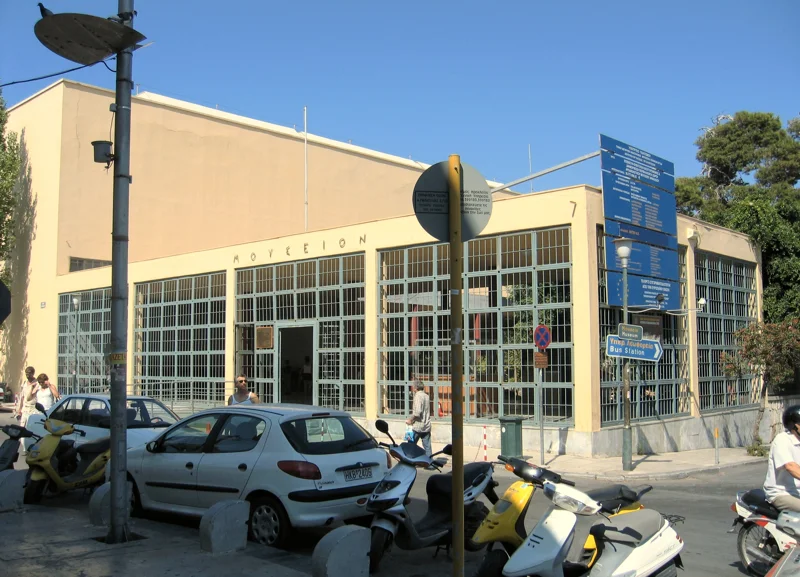
Museo Arqueológico de Heraclión: el disco de Festo, las diosas de las serpientes, el fresco del salto del toro y el colgante de las abejas de Malia, con una ruta de dos horas por las salas.

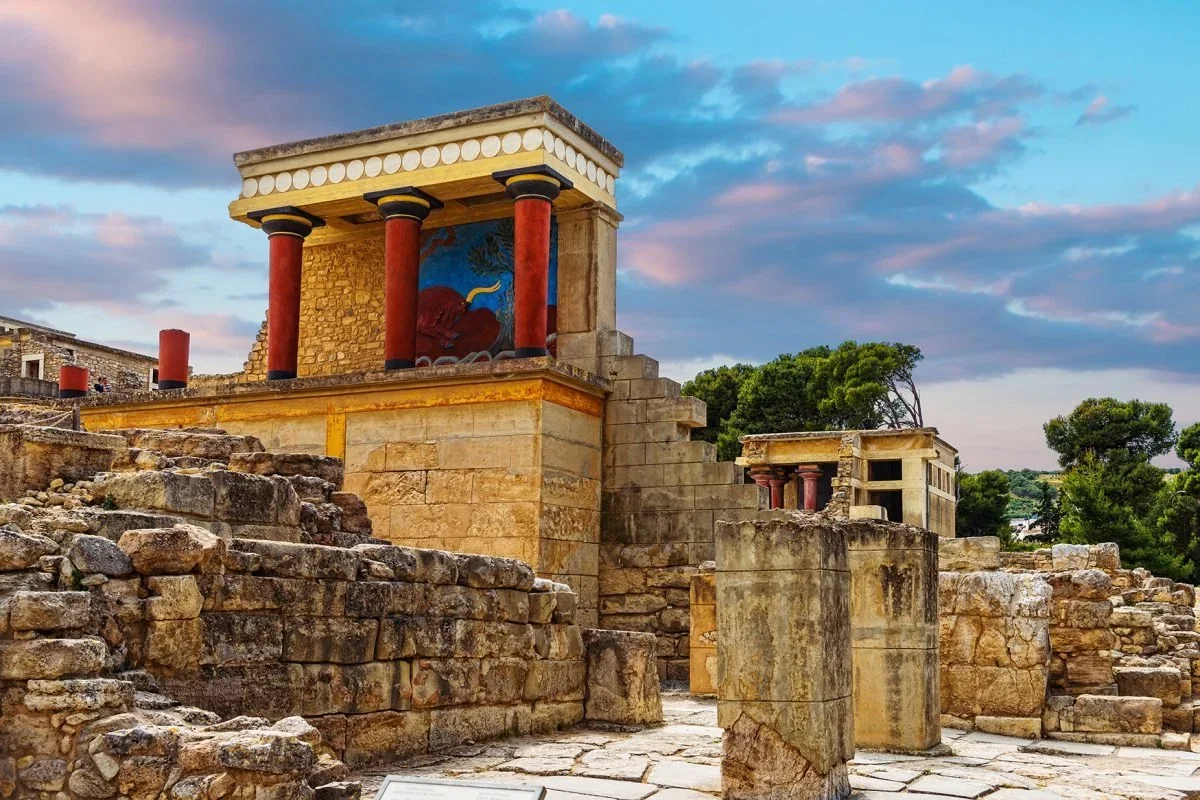
Visitar Cnosos, el palacio minoico cerca de Heraclión: su historia, las reconstrucciones de Arthur Evans, lo más destacado y cuándo y cómo ir.

Spinalonga en la bahía de Elounda: la fortaleza veneciana, la leprosería de 1903 a 1957, barcos desde Plaka, Elounda y Agios Nikolaos, y consejos.

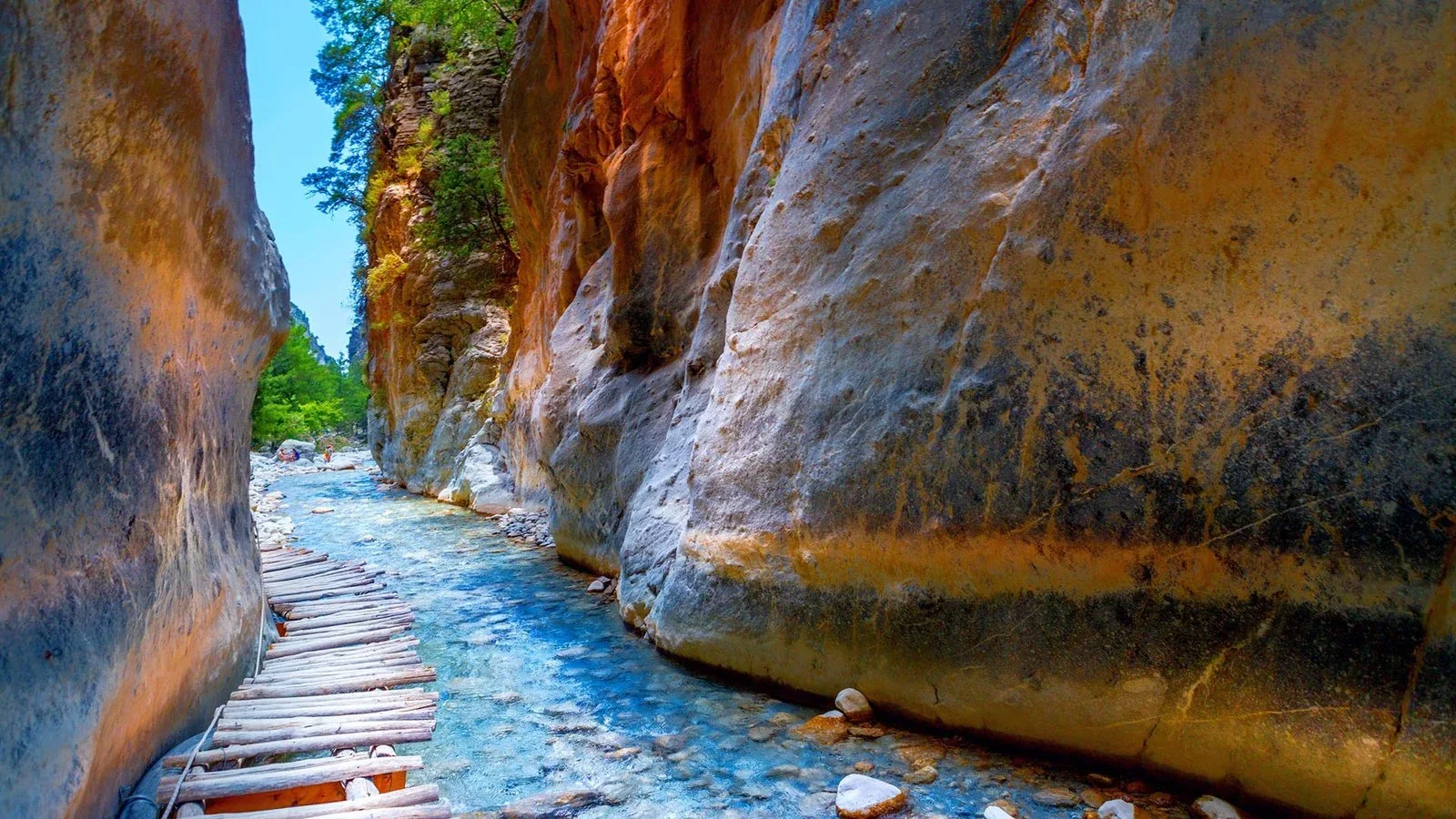
Recorre la garganta de Samaria, 16 km en una reserva de la biosfera de la UNESCO. Las Puertas de Hierro, las cabras kri-kri y el mar de Libia. Mapas, seguridad, autobús y ferri.

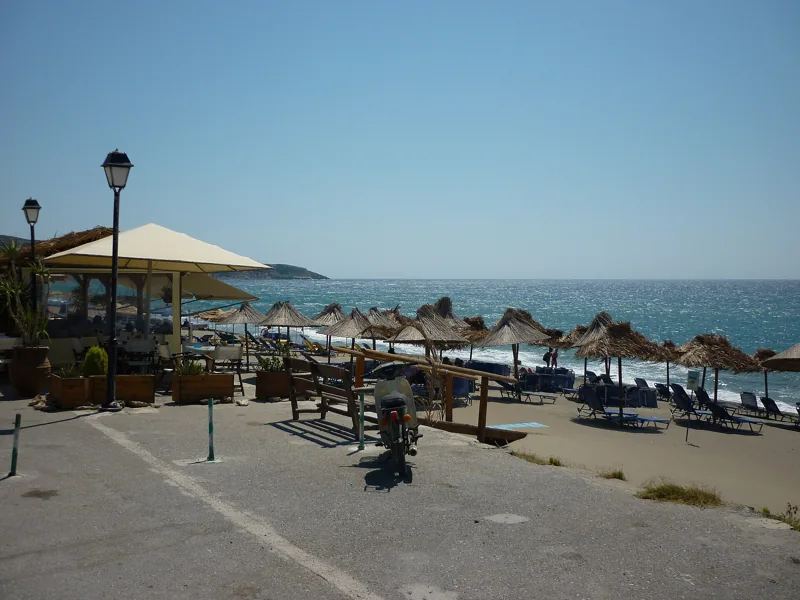
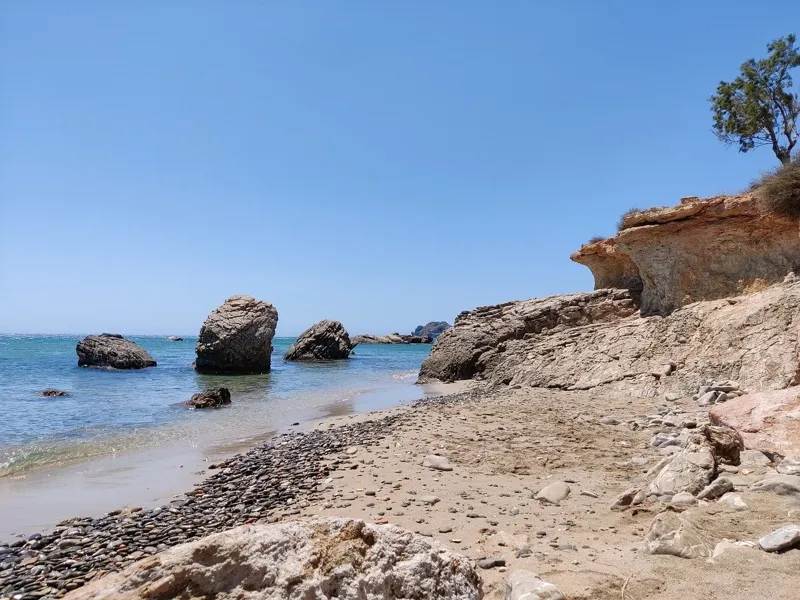
Five easy Crete pairings of beach and ancient site: Phaistos and Matala, Malia palace and Potamos, Aptera and Kalyves, Kato Zakros, Falasarna.

A day in the Messara: Gortyn's Law Code and Phaistos palace in the morning, lunch nearby, then a swim at Matala or Kommos and sunset on the coast.

Two road-trip days in the Sitia UNESCO Global Geopark: Toplou, Vai and Itanos in the north, or Zakros, the Gorge of the Dead and Xerokampos in the south.

Gortyn in the Messara: the 5th-century BC Law Code, capital of Roman Crete and Cyrene, the basilica of Agios Titos and the Praetorium across the road.

Ancient Eleutherna near Arkadi: Crete's first site museum, finds from the Orthi Petra necropolis and a city inhabited from 3000 BC to Byzantine times.

Malia, 3 km east of Malia town: the third-largest Minoan palace, its kernos stone, the Chrysolakkos cemetery of the bee pendant and a beach nearby.

Agia Triada (Tzagarolon) monastery on Akrotiri: a 17th-century Venetian-era monastery with a museum, monks' wine and oil, and Gouverneto nearby.

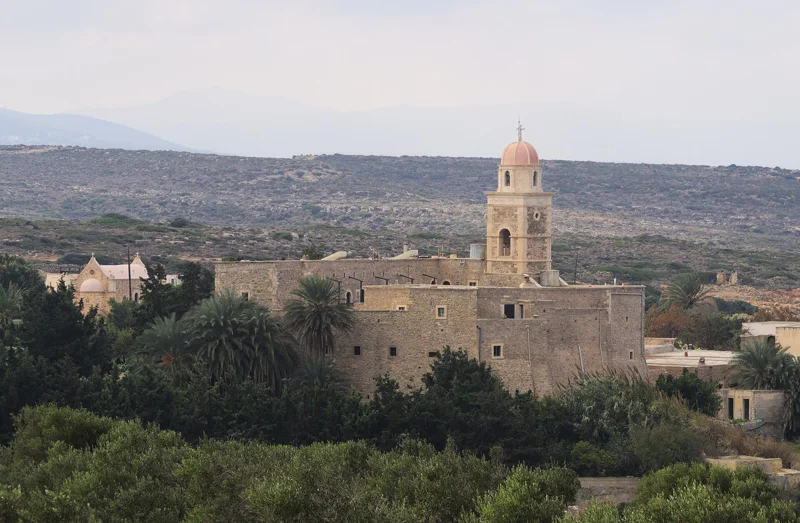
Toplou monastery between Sitia and Vai: a fortified 15th-century monastery with Kornaros's 1770 icon 'Great Art Thou, O Lord', a museum and a winery.

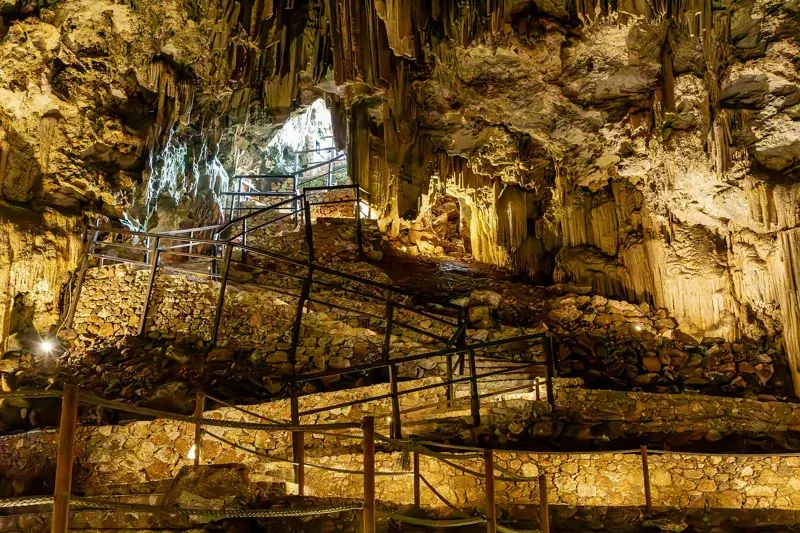
Melidoni cave near Rethymno: an ancient cult cave and the site of the 1824 tragedy, when about 400 villagers died, with an ossuary in its main hall.

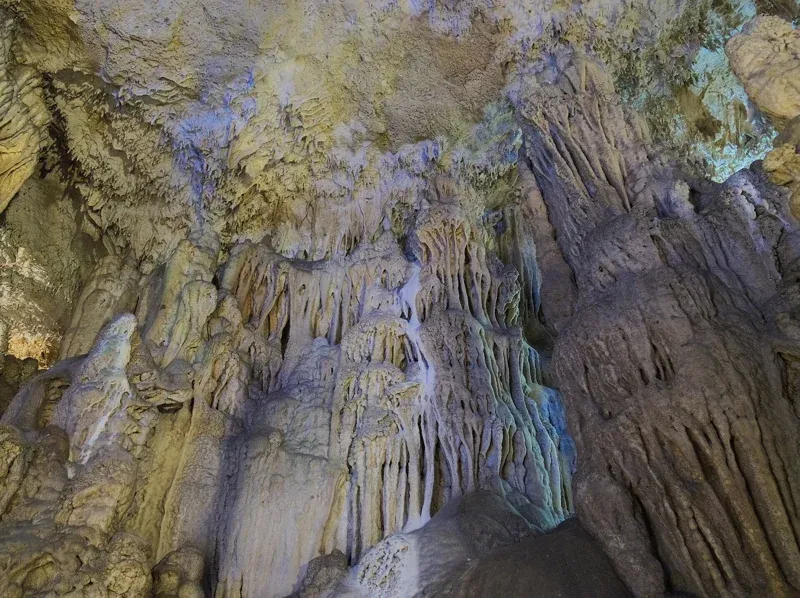
Sfendoni cave at Zoniana: 14 chambers, a lit 270 m walkway, 25–30 minute guided tours, €6 tickets, open daily mid-April to October.

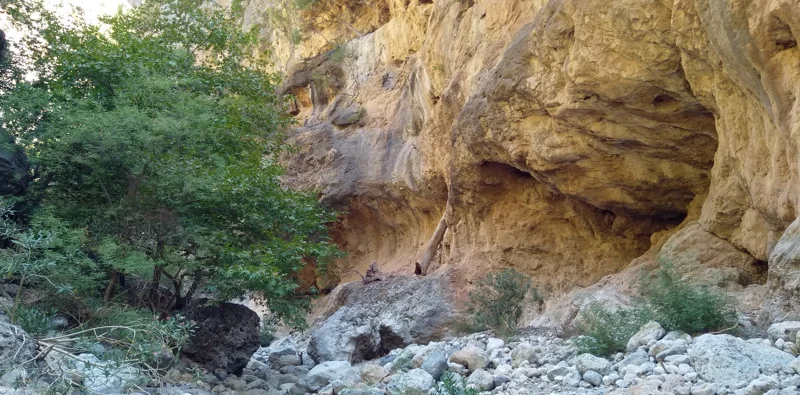
Imbros gorge in Sfakia: about 8–11 km from Imbros village (700 m) to Komitades, roughly 3 hours, with a 1.6 m-wide narrows and taxis back.

Agia Irini gorge in Selino: a 7.5 km, roughly 3-hour shaded walk from the White Mountains to the Libyan Sea, ending 45 minutes from Sougia.

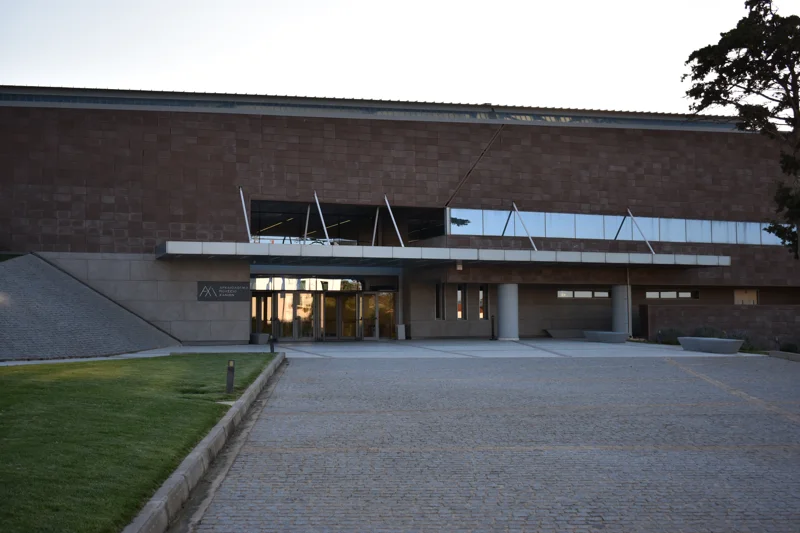
The new Archaeological Museum of Chania at 15 Skra St, Halepa: finds from prehistory to the 4th century AD, the Mitsotakis Collection, €15 tickets.

Discovering the Museums of Crete: A Journey into the Heart of the Island's History and Culture Crete, the largest of the…

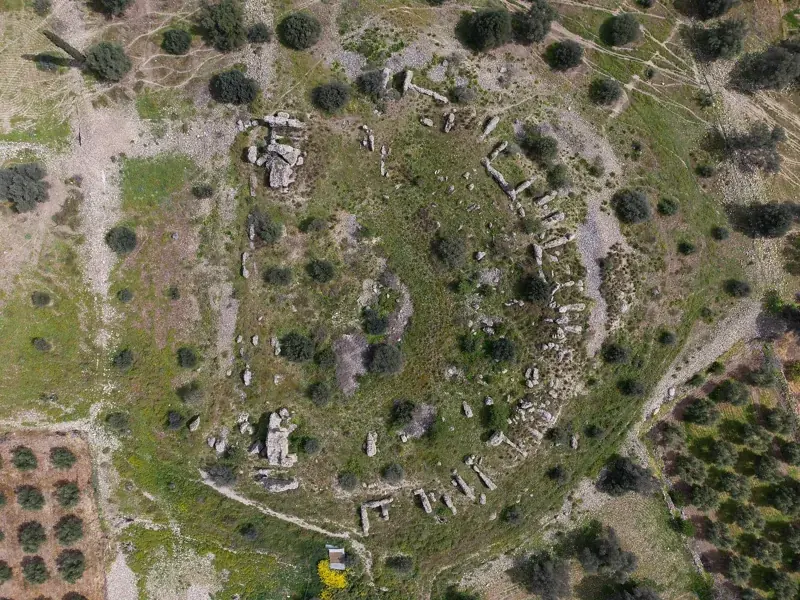
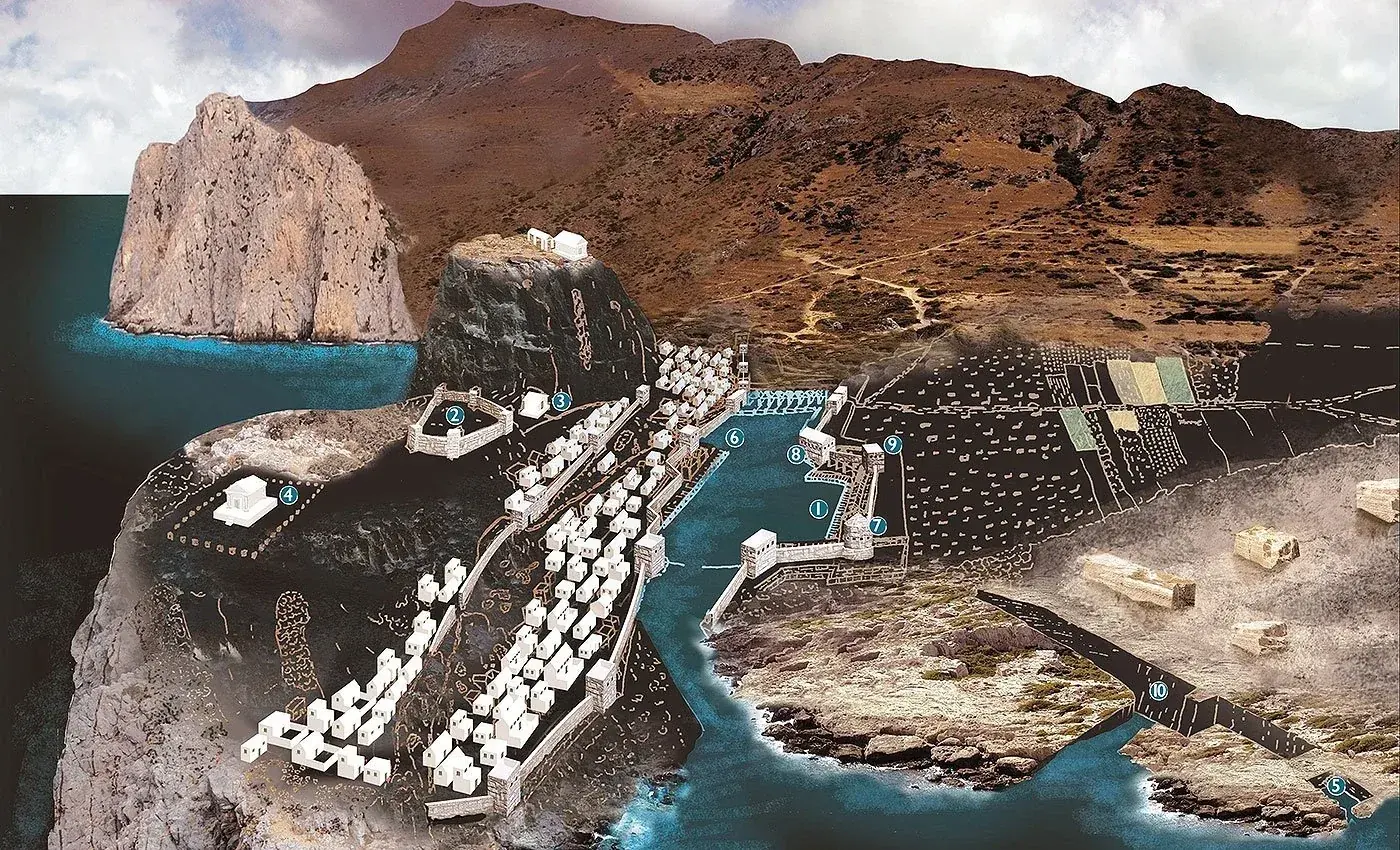
Falasarna was an ancient Greek city-state located at the western end of Crete.The area was inhabited from the Middle Minoan…