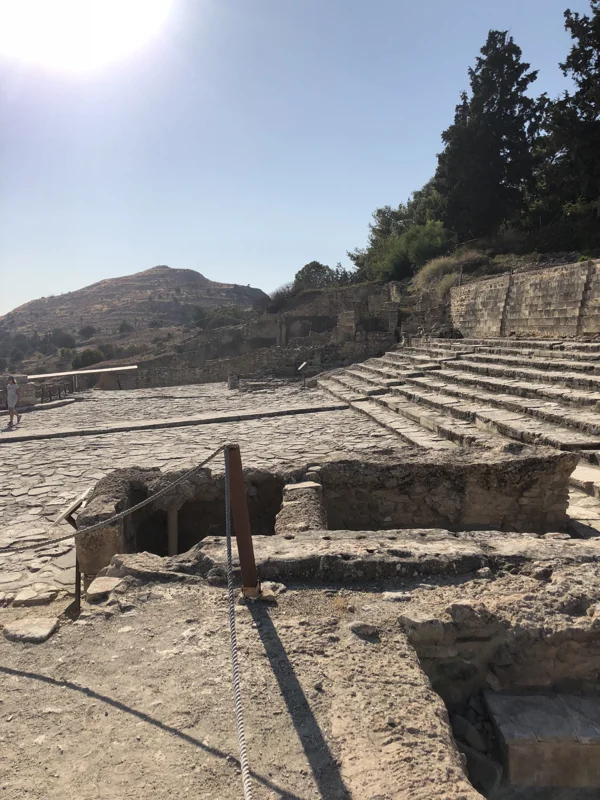
Palast von Phaistos: Höfe, die Messara-Ebene und ein praktischer Rundgang
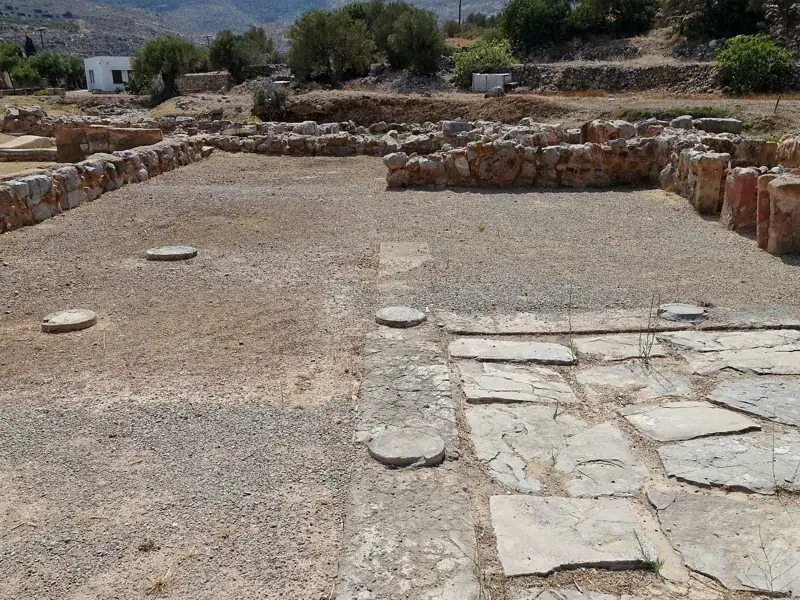
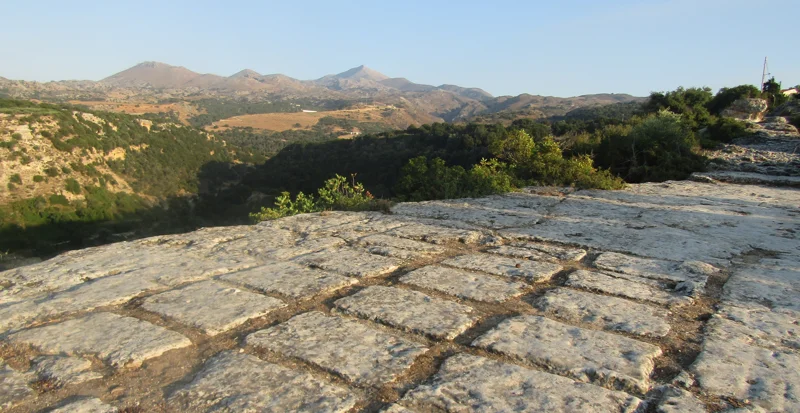
Phaistos auf einem Hügel über der Messara: der zweitgrößte minoische Palast, Fundort des Diskos von Phaistos, mit Theaterbereich und Blick auf den Psiloritis.
22 Reiseführer
Keine passenden Reiseführer. Versuch einen anderen Namen oder stöbere in allen Reiseführern.

Phaistos auf einem Hügel über der Messara: der zweitgrößte minoische Palast, Fundort des Diskos von Phaistos, mit Theaterbereich und Blick auf den Psiloritis.
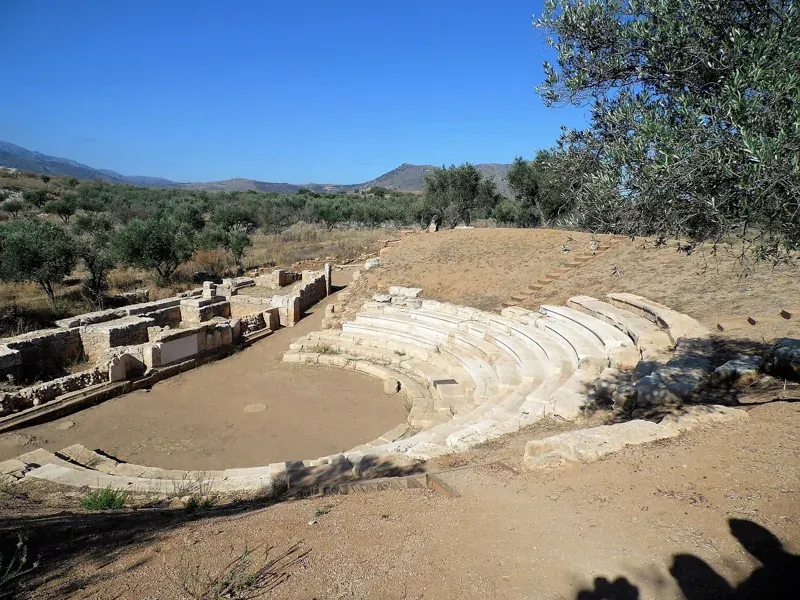
Das antike Aptera bei Chania: eine in Linear B erwähnte Stadt, ein Theater mit 3.700 Plätzen, riesige römische Zisternen, ein mittelalterliches Kloster und Blick über die Souda-Bucht.

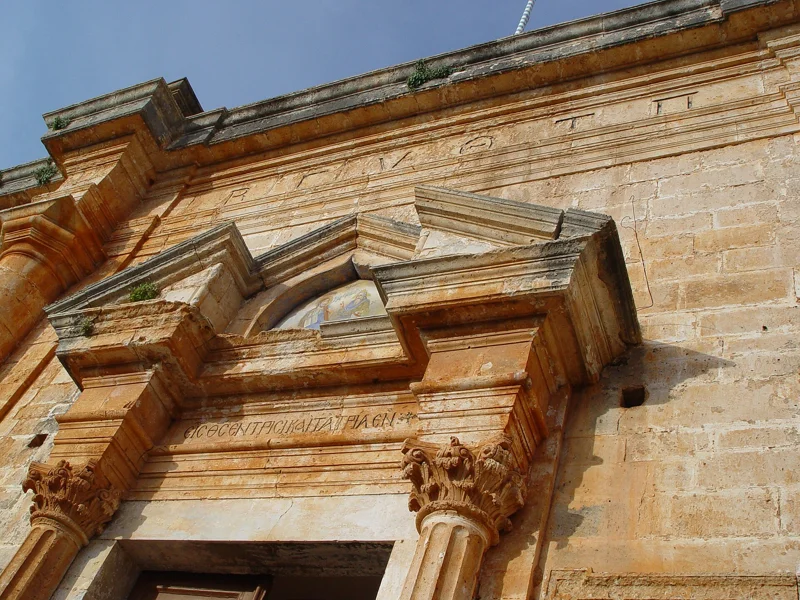
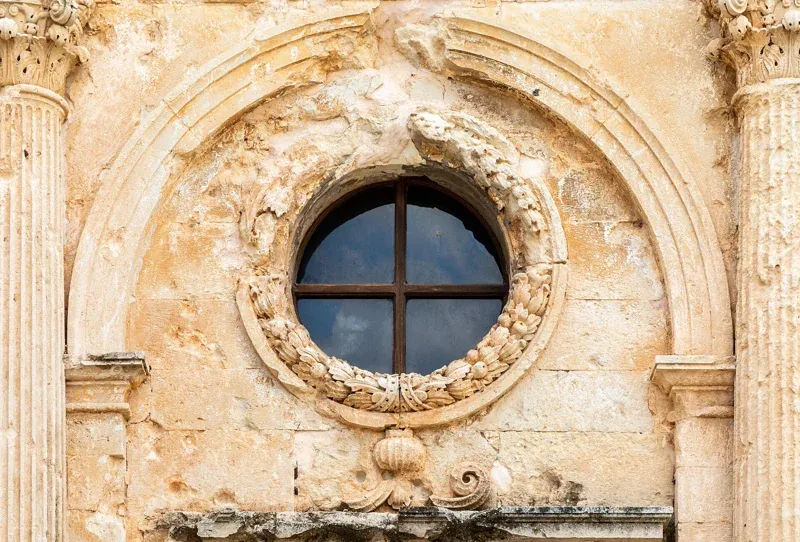
Kloster Arkadi, 23 km südöstlich von Rethymno: eine venezianische Fassade von 1587 und die Belagerung im November 1866, die es zum Symbol der kretischen Freiheit machte.

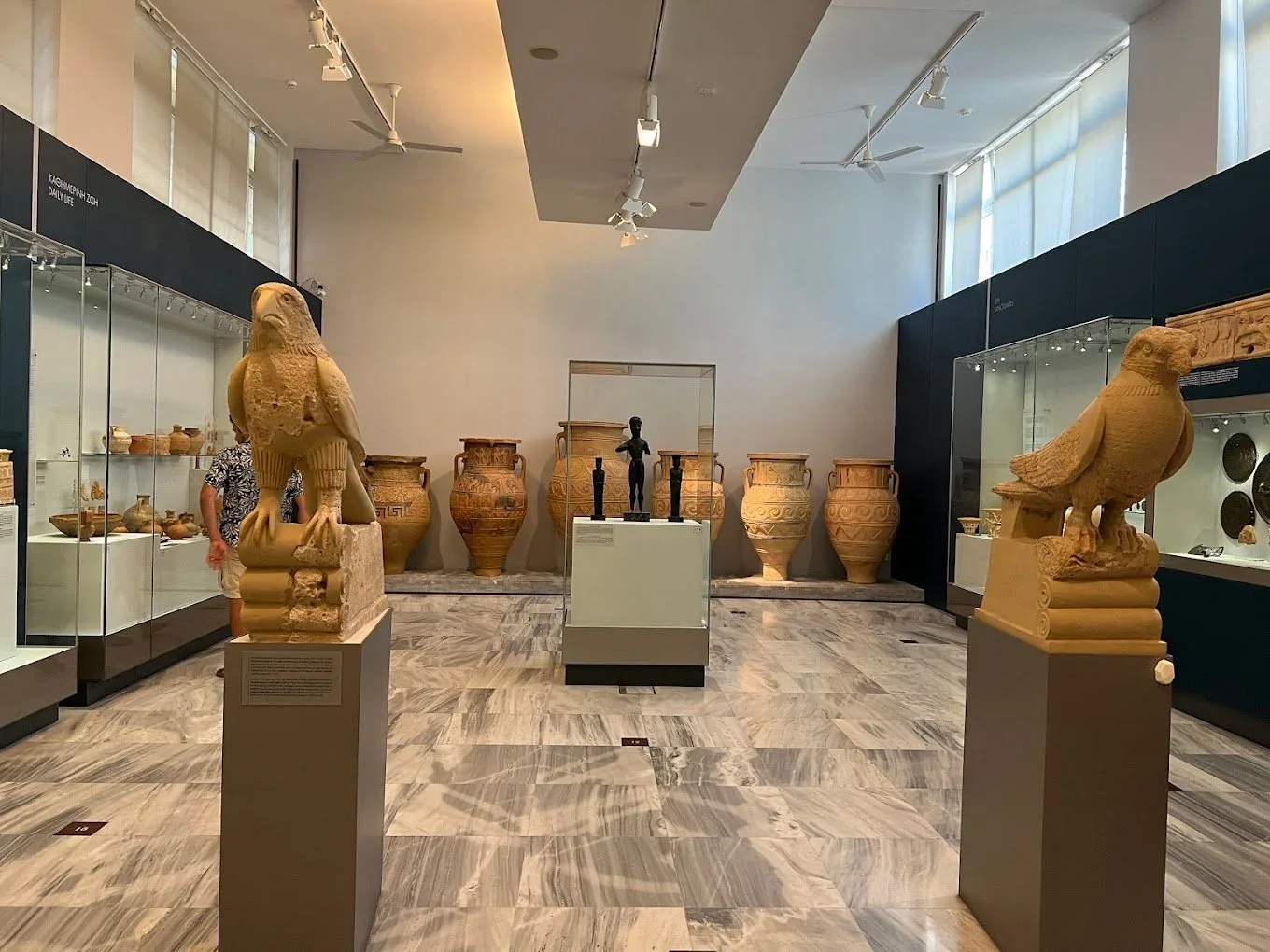
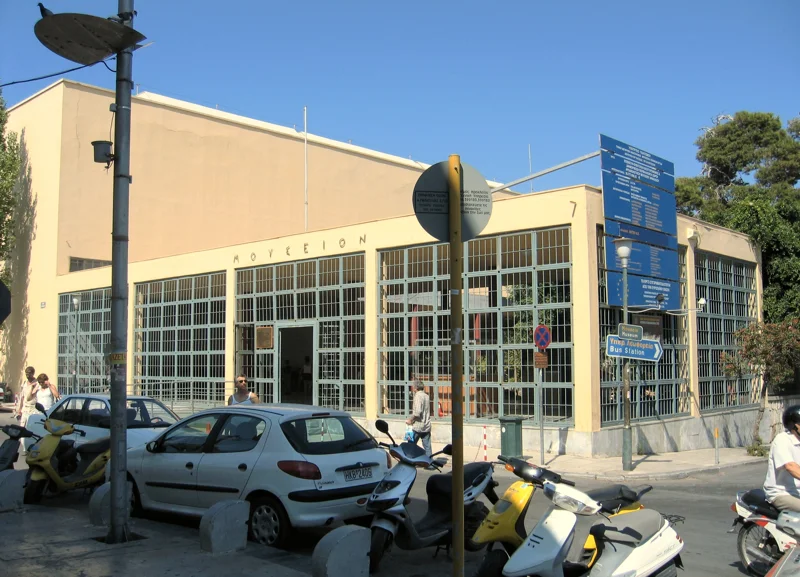
Archäologisches Museum Heraklion: der Diskos von Phaistos, die Schlangengöttinnen, das Stiersprung-Fresko und der Bienenanhänger von Malia, mit einem zweistündigen Rundgang durch die Säle.

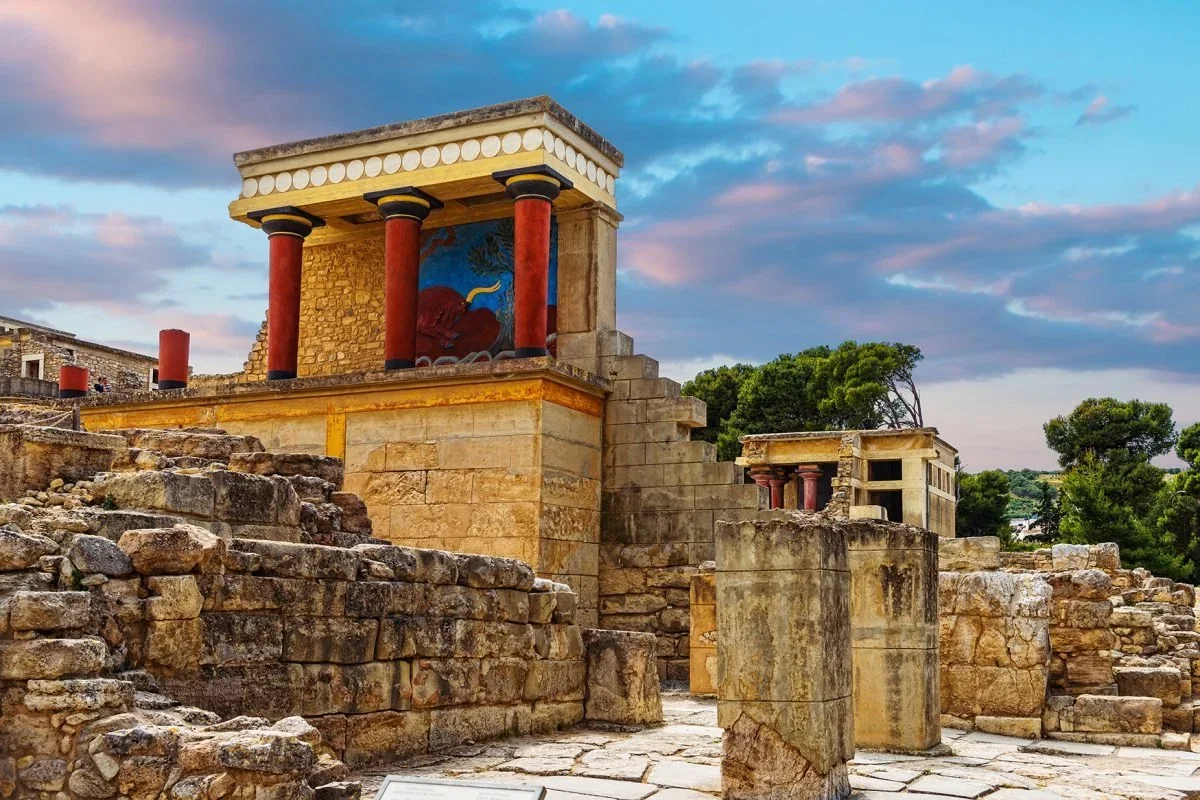
Besuch in Knossos, dem minoischen Palast bei Heraklion: Geschichte, die Rekonstruktionen von Arthur Evans, die wichtigsten Highlights und wann und wie du hinkommst.

Spinalonga in der Bucht von Elounda: die venezianische Festung, die Leprakolonie von 1903 bis 1957, Boote ab Plaka, Elounda und Agios Nikolaos sowie Tipps.

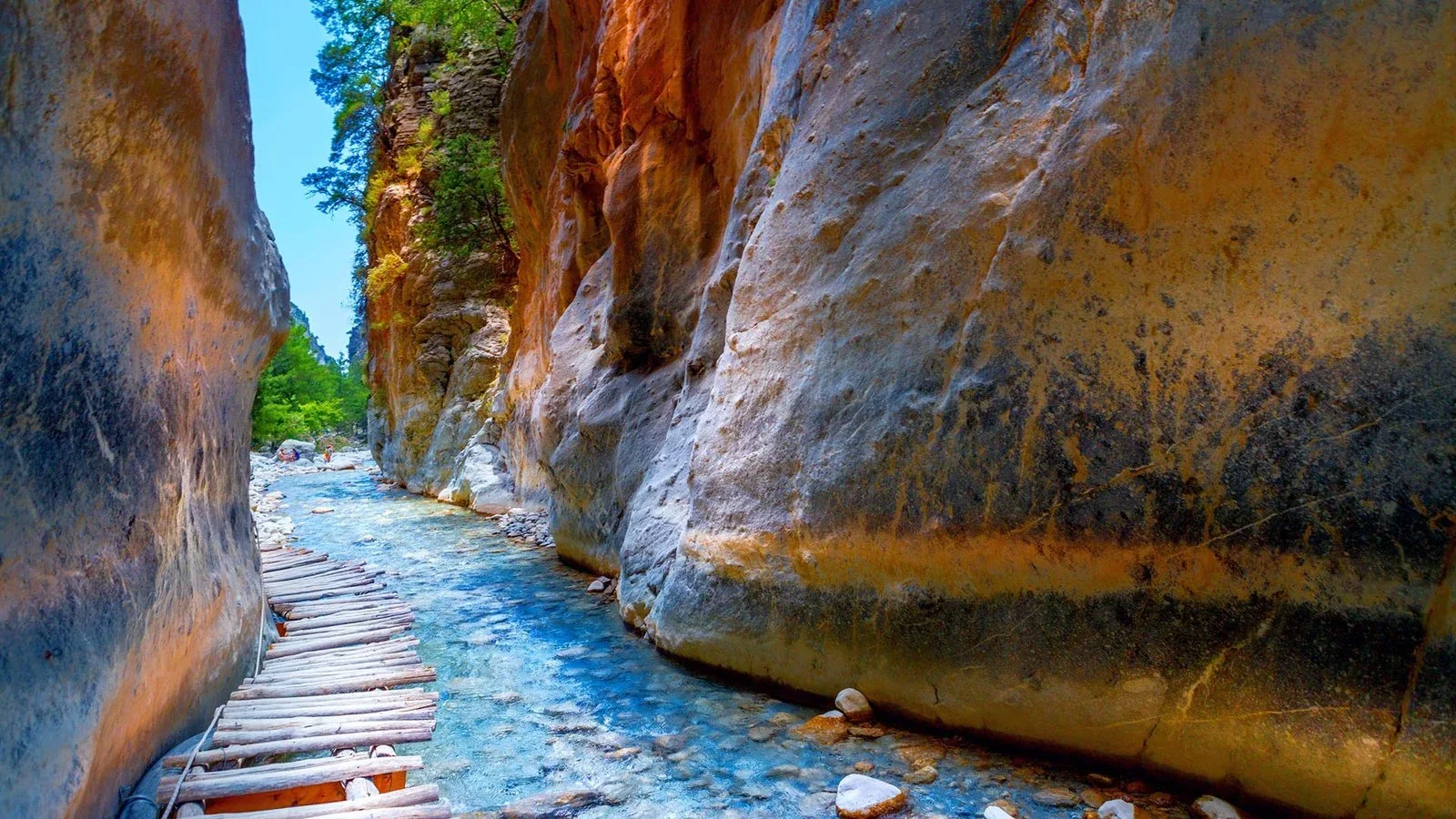
Wandere durch die Samaria-Schlucht, Kretas 16 km lange Route im UNESCO-Biosphärenreservat. Die Eisernen Tore, Kri-Kri-Ziegen & das Libysche Meer. Karten, Sicherheitstipps, Bus und Fähre!

Five easy Crete pairings of beach and ancient site: Phaistos and Matala, Malia palace and Potamos, Aptera and Kalyves, Kato Zakros, Falasarna.

A day in the Messara: Gortyn's Law Code and Phaistos palace in the morning, lunch nearby, then a swim at Matala or Kommos and sunset on the coast.

Two road-trip days in the Sitia UNESCO Global Geopark: Toplou, Vai and Itanos in the north, or Zakros, the Gorge of the Dead and Xerokampos in the south.

Gortyn in the Messara: the 5th-century BC Law Code, capital of Roman Crete and Cyrene, the basilica of Agios Titos and the Praetorium across the road.

Ancient Eleutherna near Arkadi: Crete's first site museum, finds from the Orthi Petra necropolis and a city inhabited from 3000 BC to Byzantine times.

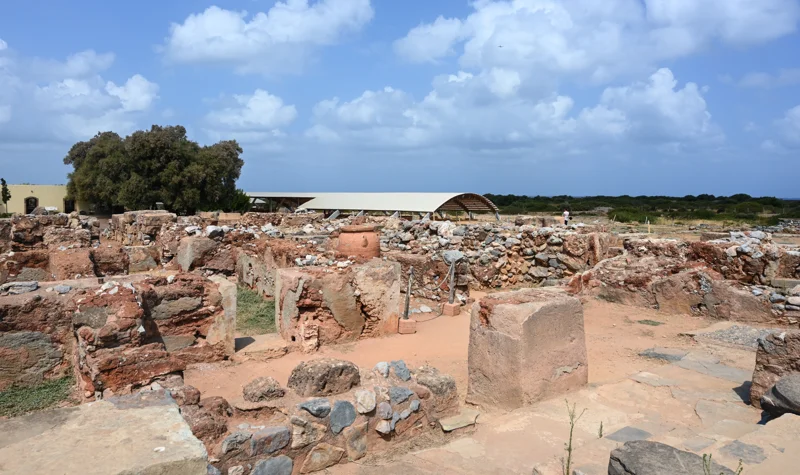
Malia, 3 km east of Malia town: the third-largest Minoan palace, its kernos stone, the Chrysolakkos cemetery of the bee pendant and a beach nearby.

Agia Triada (Tzagarolon) monastery on Akrotiri: a 17th-century Venetian-era monastery with a museum, monks' wine and oil, and Gouverneto nearby.

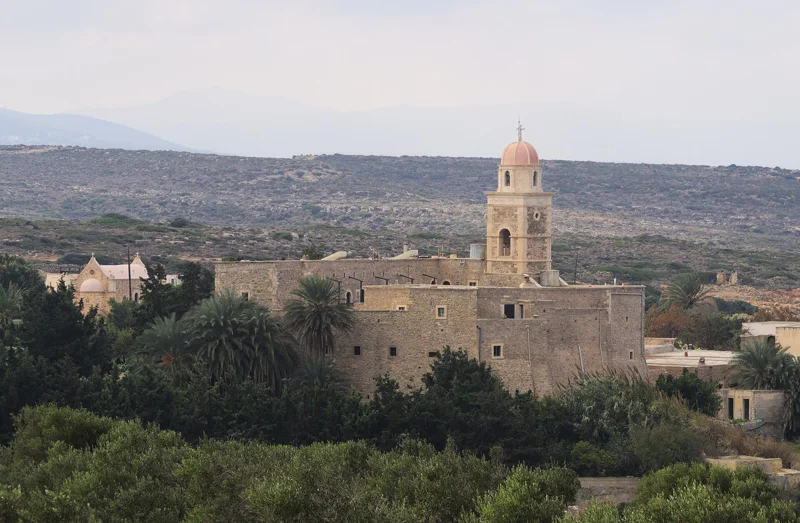
Toplou monastery between Sitia and Vai: a fortified 15th-century monastery with Kornaros's 1770 icon 'Great Art Thou, O Lord', a museum and a winery.

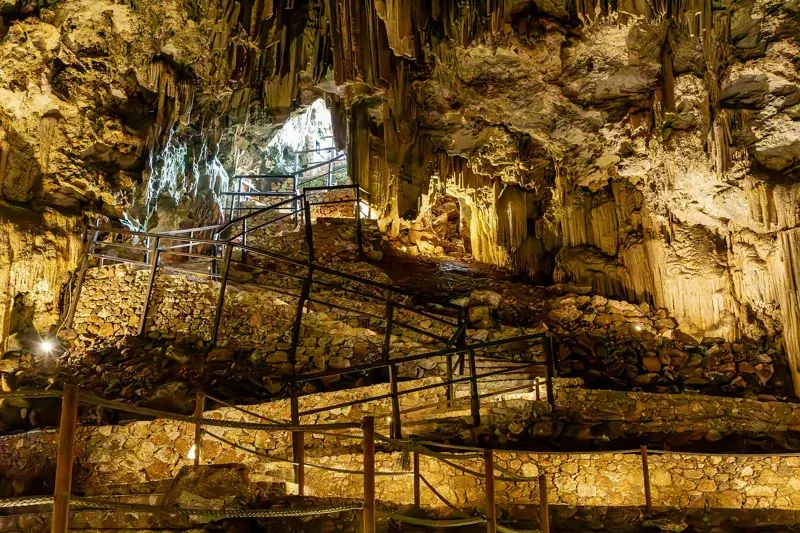
Melidoni cave near Rethymno: an ancient cult cave and the site of the 1824 tragedy, when about 400 villagers died, with an ossuary in its main hall.

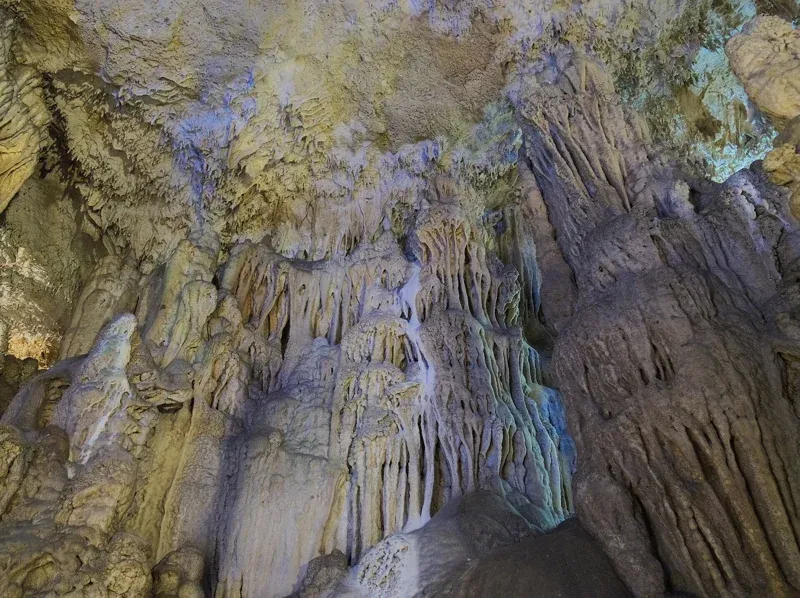
Sfendoni cave at Zoniana: 14 chambers, a lit 270 m walkway, 25–30 minute guided tours, €6 tickets, open daily mid-April to October.

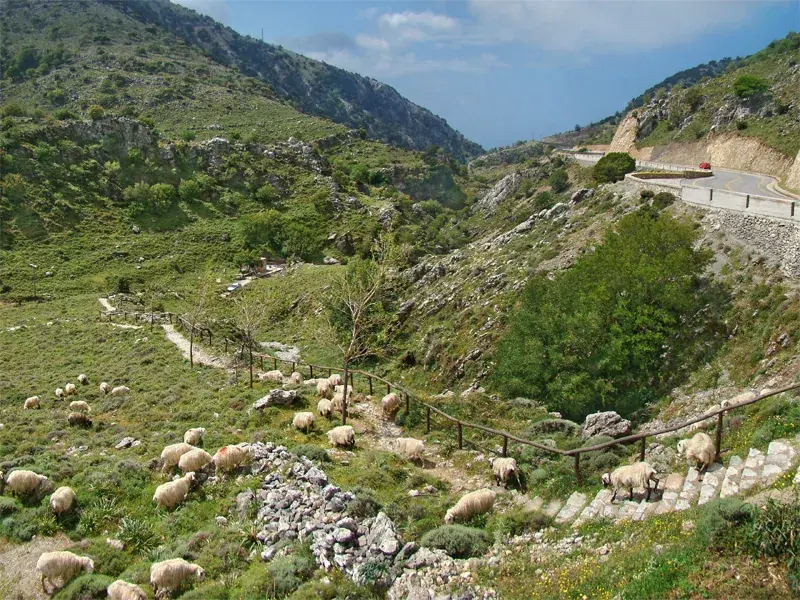
Imbros gorge in Sfakia: about 8–11 km from Imbros village (700 m) to Komitades, roughly 3 hours, with a 1.6 m-wide narrows and taxis back.

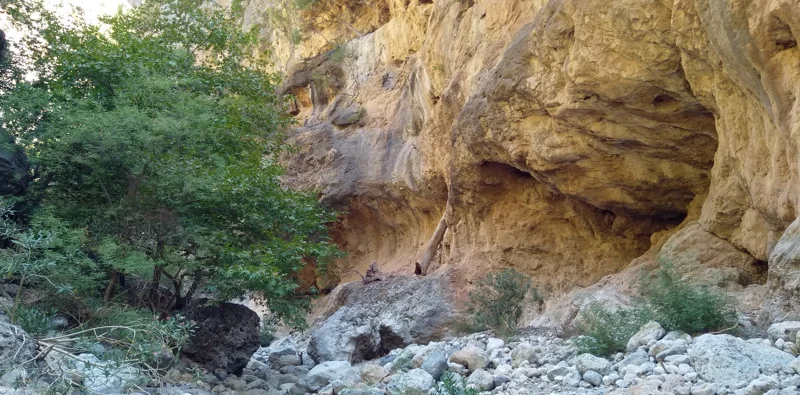
Agia Irini gorge in Selino: a 7.5 km, roughly 3-hour shaded walk from the White Mountains to the Libyan Sea, ending 45 minutes from Sougia.

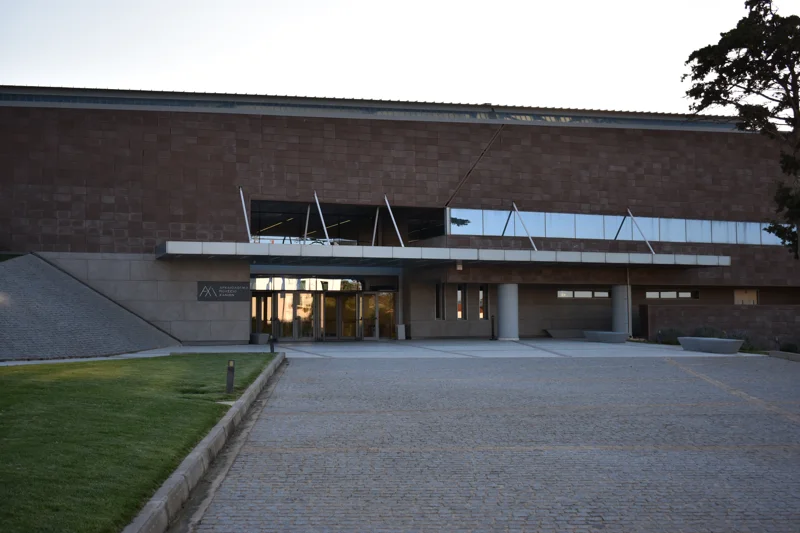
The new Archaeological Museum of Chania at 15 Skra St, Halepa: finds from prehistory to the 4th century AD, the Mitsotakis Collection, €15 tickets.

Discovering the Museums of Crete: A Journey into the Heart of the Island's History and Culture Crete, the largest of the…

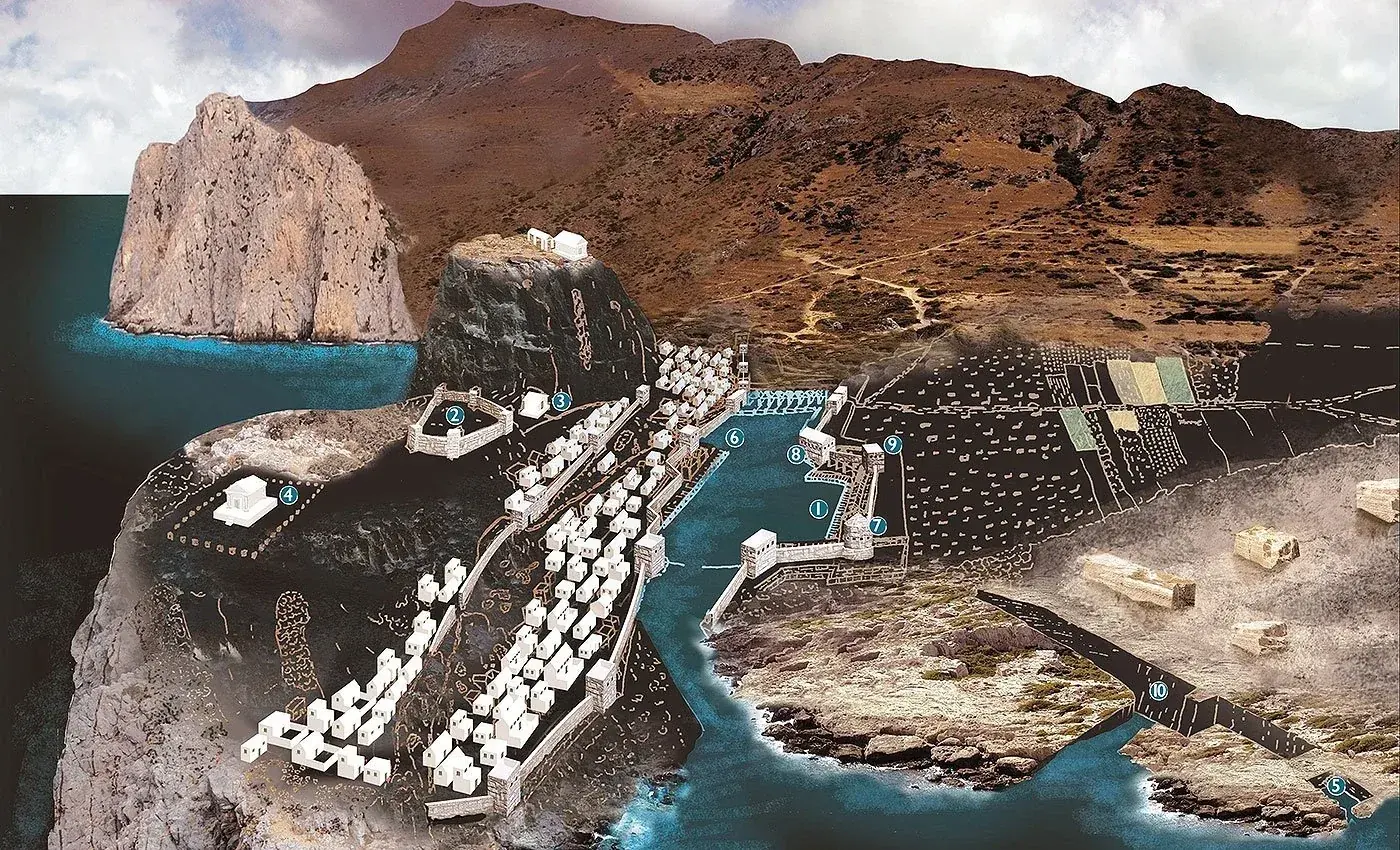
Falasarna was an ancient Greek city-state located at the western end of Crete.The area was inhabited from the Middle Minoan…