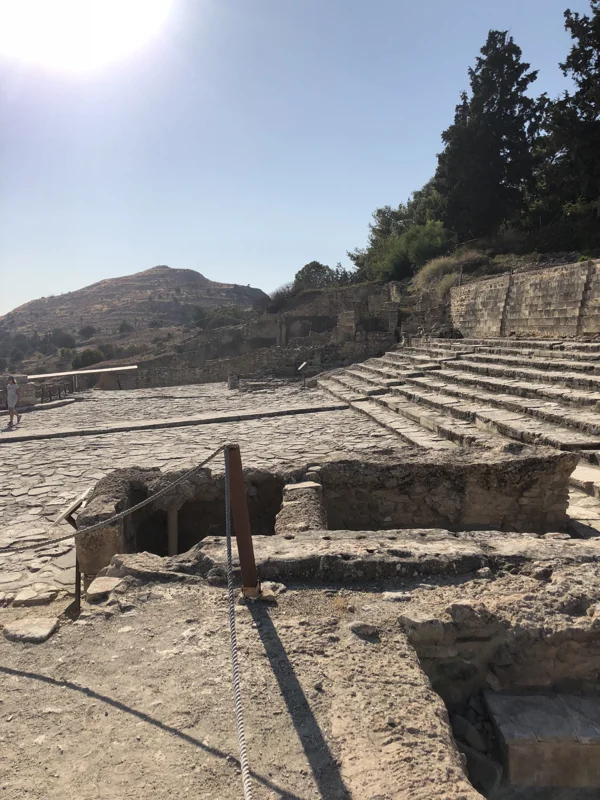
Pałac w Fajstos: dziedzińce, równina Mesara i praktyczna trasa zwiedzania
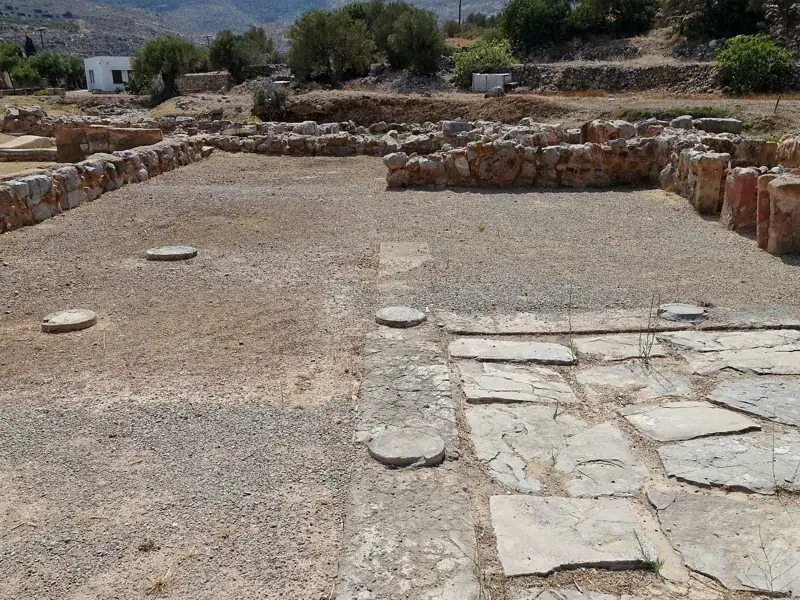
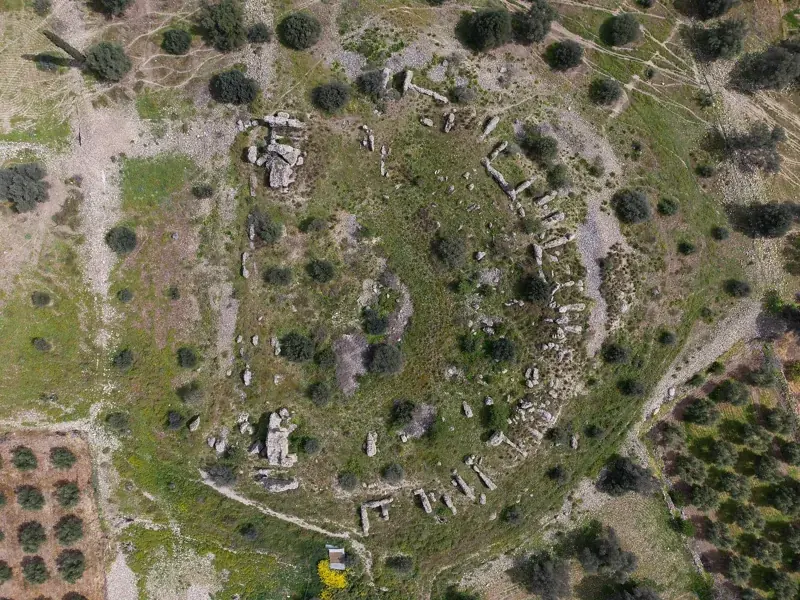
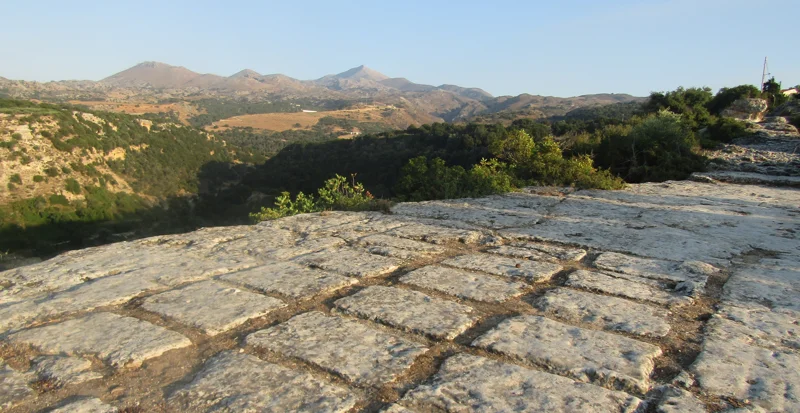
Fajstos na wzgórzu nad Mesarą: drugi co do wielkości pałac minojski, w którym znaleziono dysk z Fajstos, z teatralnym placem i widokiem na Psiloritis.
Przewodniki: 22
Brak pasujących przewodników. Spróbuj innej nazwy albo przejrzyj wszystkie przewodniki.

Fajstos na wzgórzu nad Mesarą: drugi co do wielkości pałac minojski, w którym znaleziono dysk z Fajstos, z teatralnym placem i widokiem na Psiloritis.
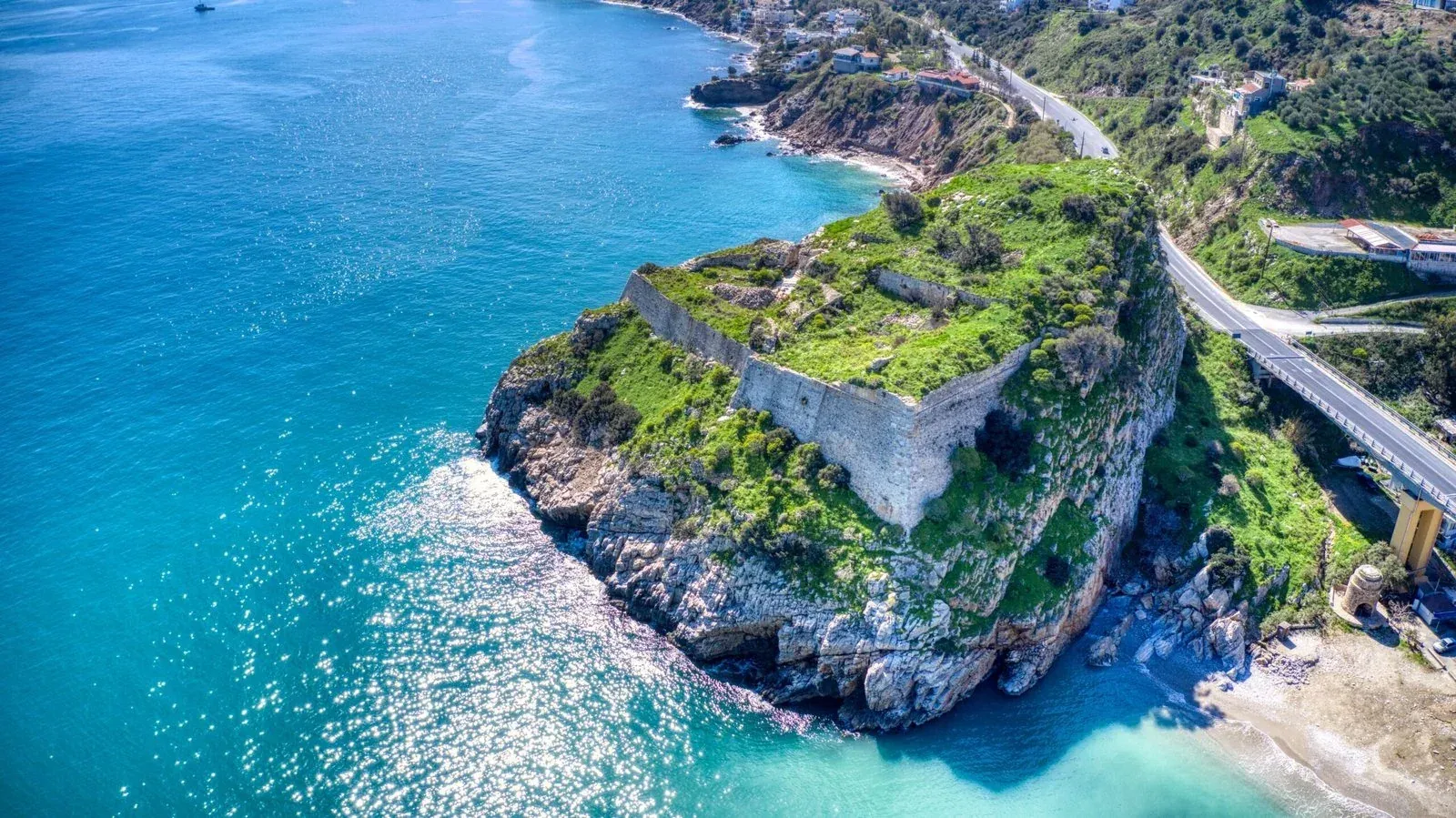
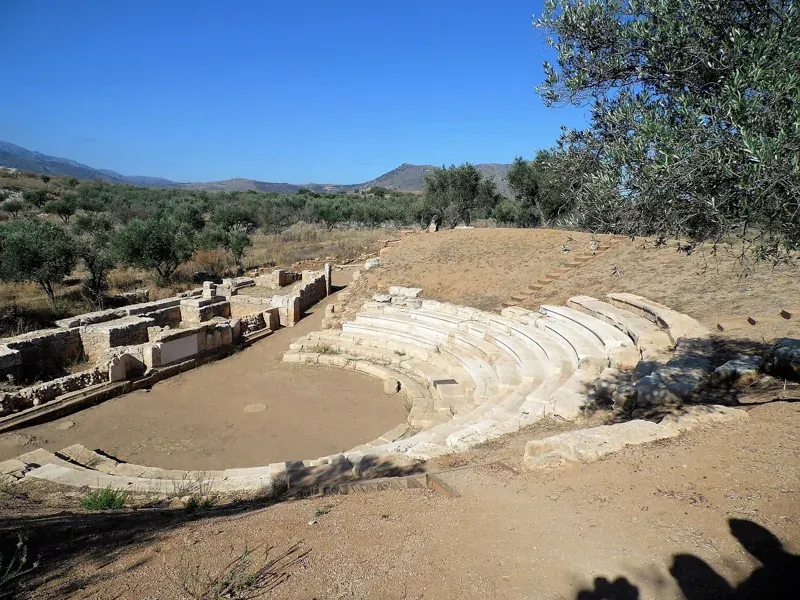
Starożytna Aptera koło Chanii: miasto wymienione w piśmie linearnym B, teatr na 3700 miejsc, ogromne rzymskie cysterny, średniowieczny klasztor i widok na zatokę Souda.

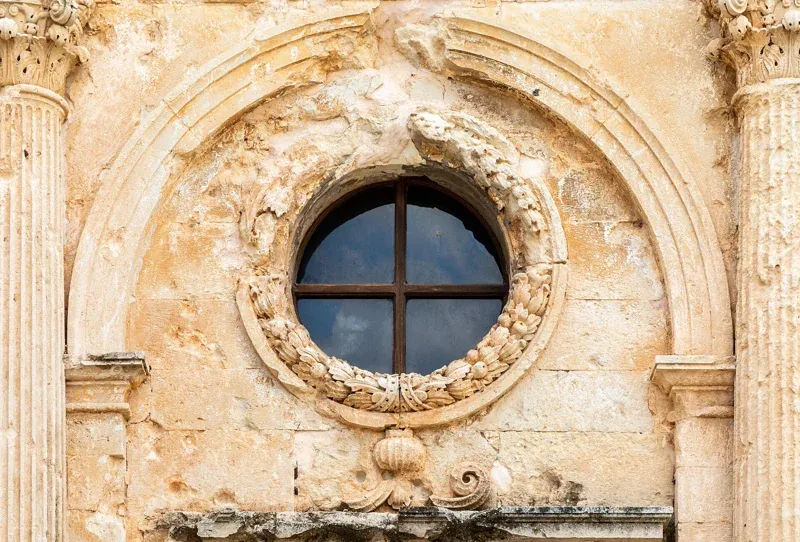
Klasztor Arkadi, 23 km na południowy wschód od Retimna: wenecka fasada z 1587 roku i oblężenie z listopada 1866 roku, które uczyniło go symbolem wolności Krety.

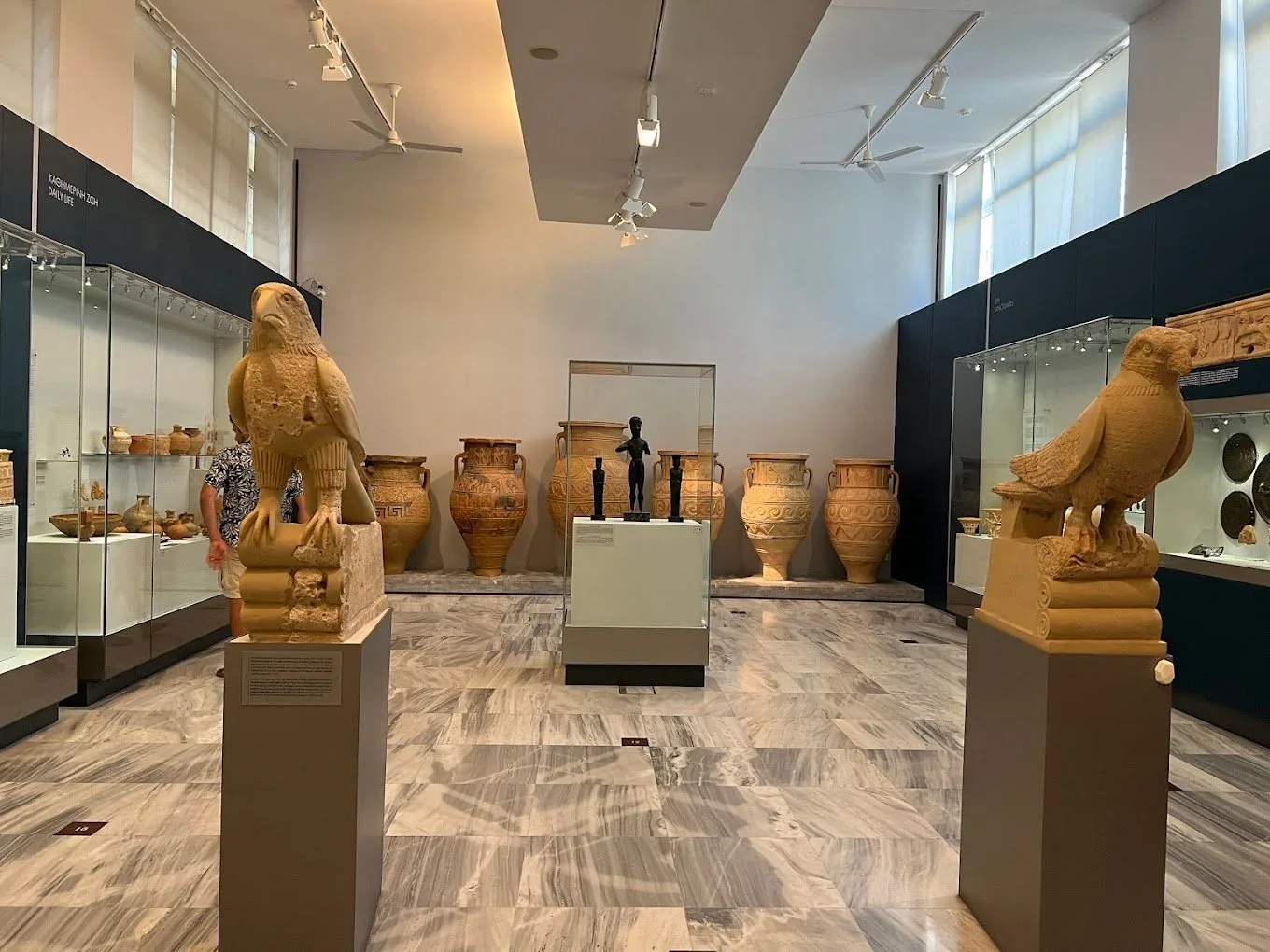
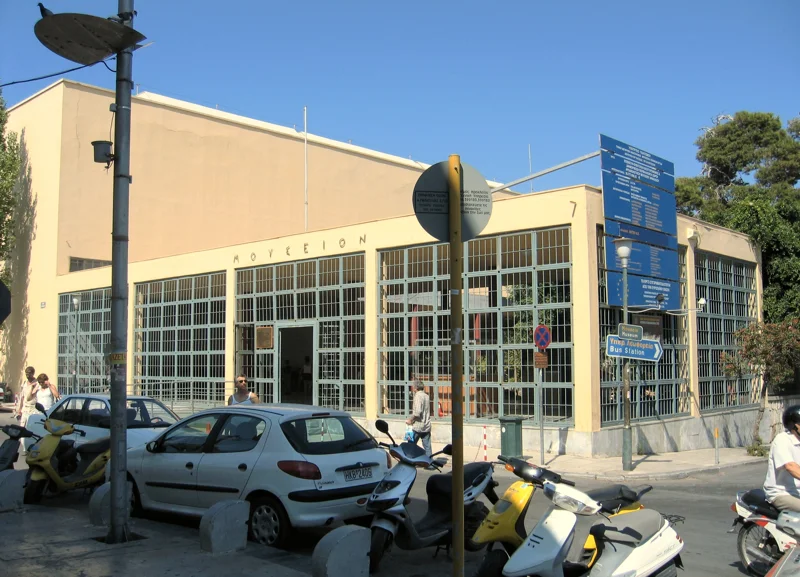
Muzeum Archeologiczne w Heraklionie: dysk z Fajstos, bogini z wężami, fresk ze skokami przez byka i wisior z pszczołami z Malii – z dwugodzinną trasą po salach.

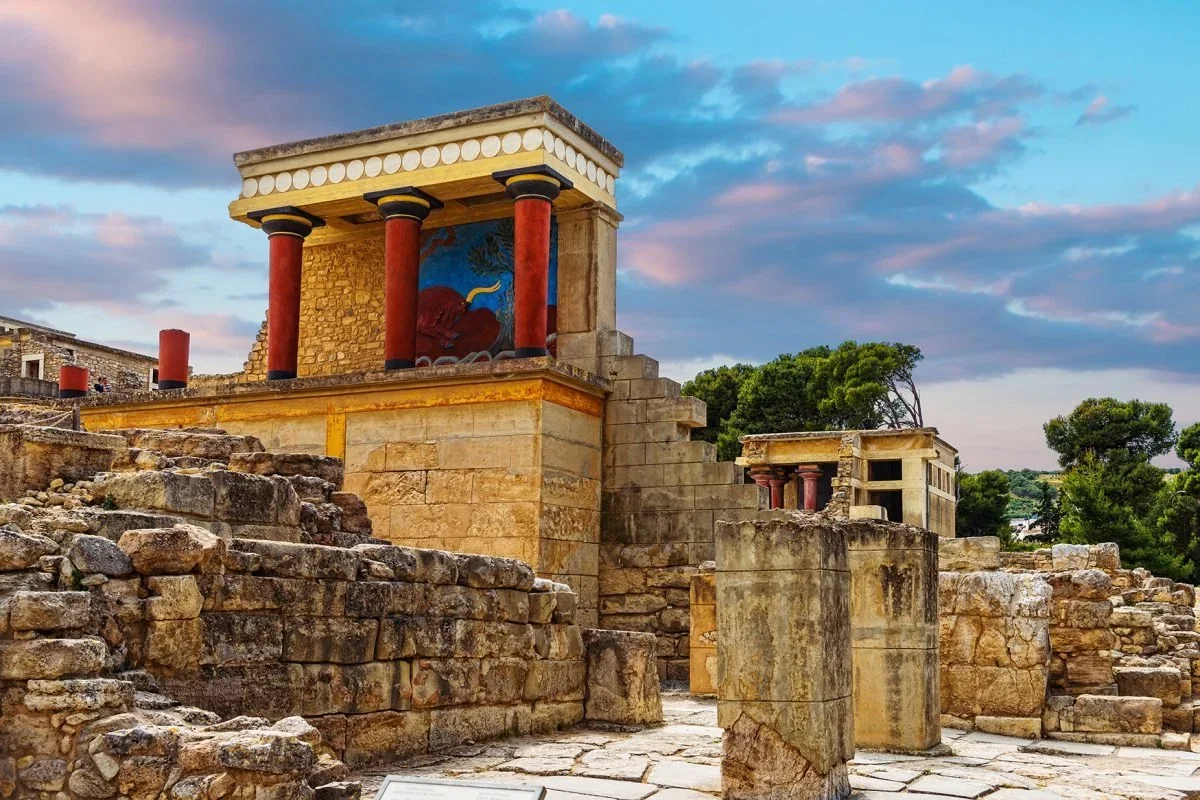
Zwiedzanie Knossos, minojskiego pałacu koło Heraklionu: historia, rekonstrukcje Arthura Evansa, najważniejsze miejsca oraz kiedy i jak tam dotrzeć.

Spinalonga w zatoce Elounda: wenecka twierdza, kolonia trędowatych z lat 1903–1957, łodzie z Plaki, Eloundy i Agios Nikolaos oraz porady.

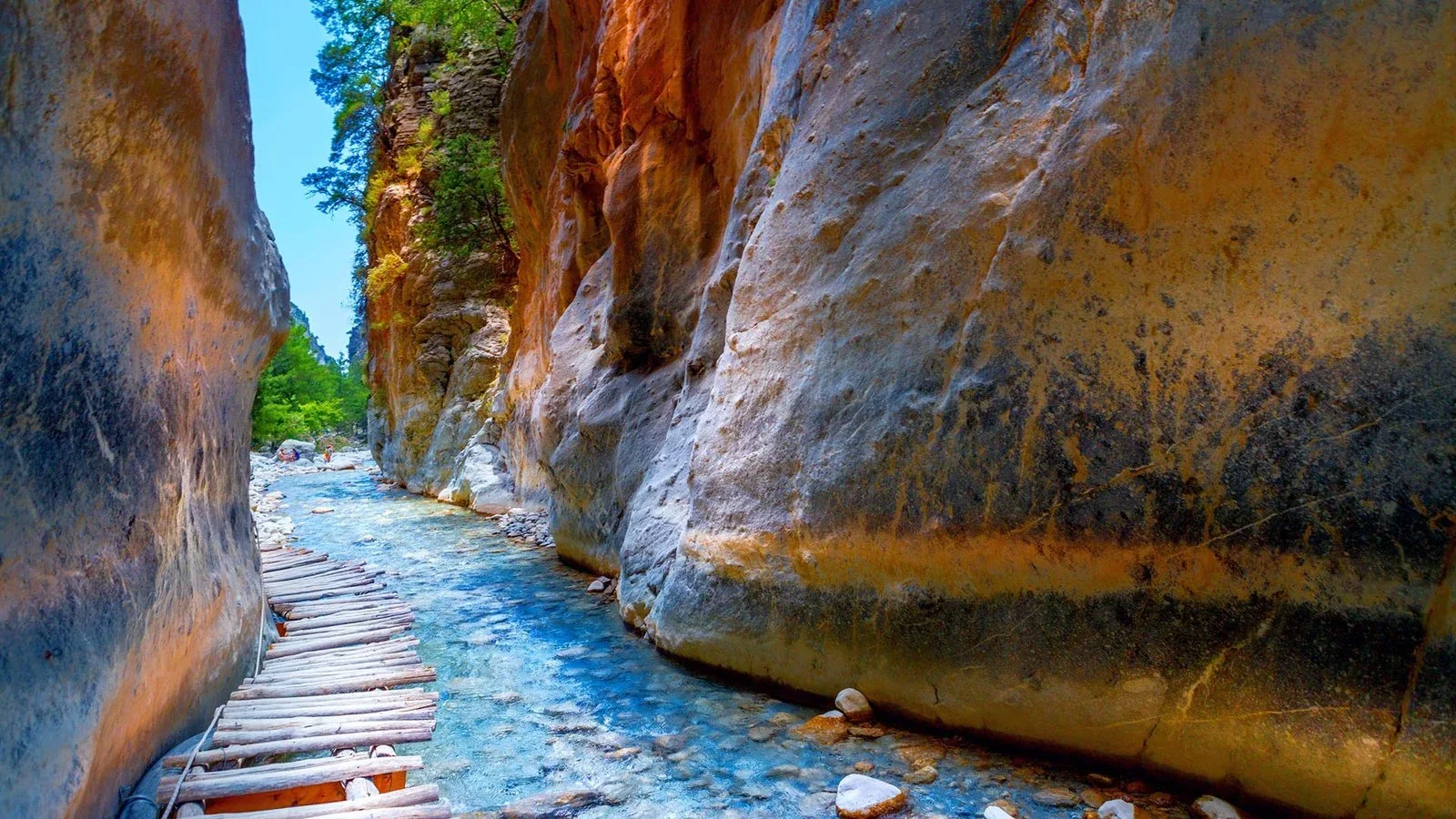
Przejdź wąwóz Samaria, 16 km szlakiem w rezerwacie biosfery UNESCO. Żelazne Wrota, kozy kri-kri i Morze Libijskie. Mapy, bezpieczeństwo, autobusy i promy!

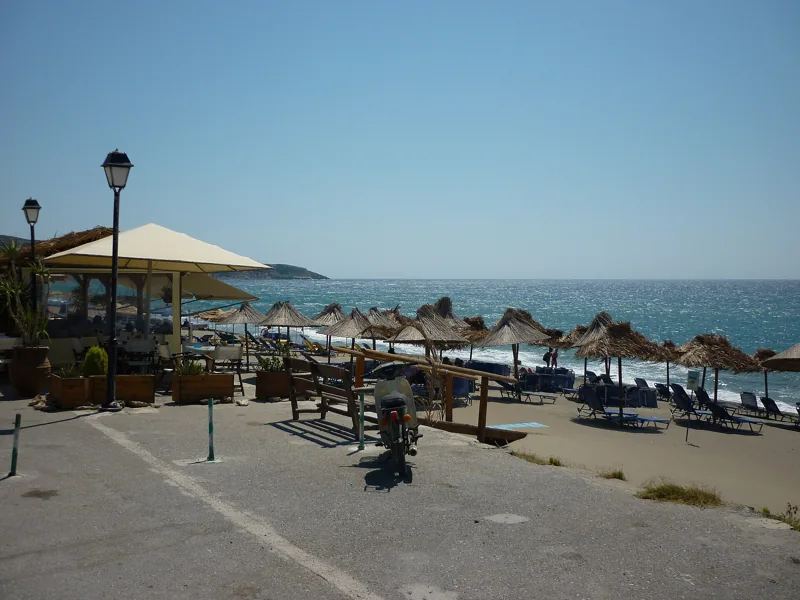
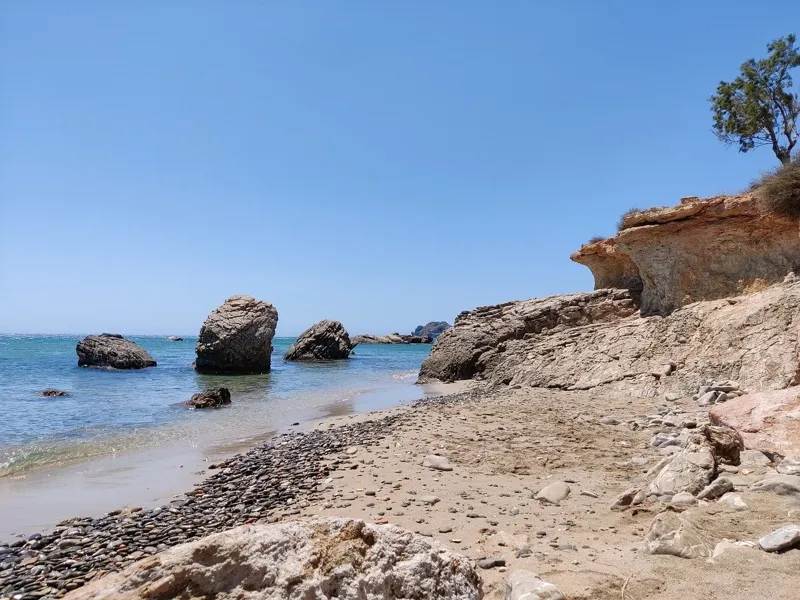
Five easy Crete pairings of beach and ancient site: Phaistos and Matala, Malia palace and Potamos, Aptera and Kalyves, Kato Zakros, Falasarna.

A day in the Messara: Gortyn's Law Code and Phaistos palace in the morning, lunch nearby, then a swim at Matala or Kommos and sunset on the coast.

Two road-trip days in the Sitia UNESCO Global Geopark: Toplou, Vai and Itanos in the north, or Zakros, the Gorge of the Dead and Xerokampos in the south.

Gortyn in the Messara: the 5th-century BC Law Code, capital of Roman Crete and Cyrene, the basilica of Agios Titos and the Praetorium across the road.

Ancient Eleutherna near Arkadi: Crete's first site museum, finds from the Orthi Petra necropolis and a city inhabited from 3000 BC to Byzantine times.

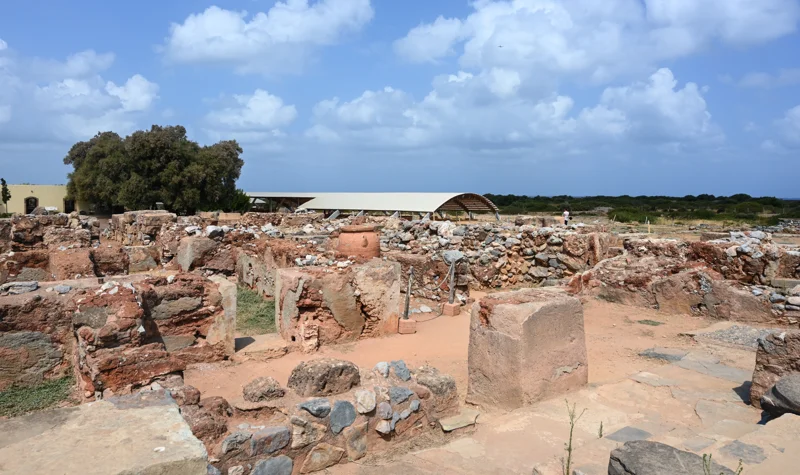
Malia, 3 km east of Malia town: the third-largest Minoan palace, its kernos stone, the Chrysolakkos cemetery of the bee pendant and a beach nearby.

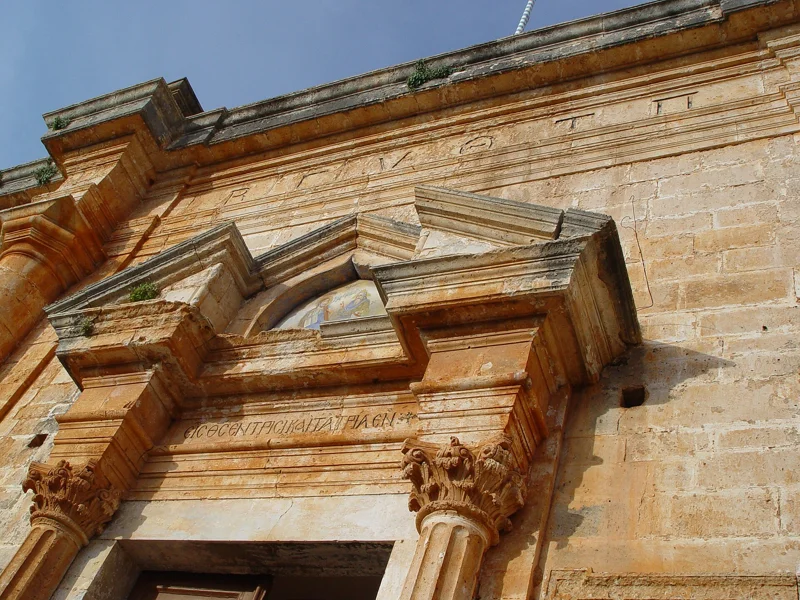
Agia Triada (Tzagarolon) monastery on Akrotiri: a 17th-century Venetian-era monastery with a museum, monks' wine and oil, and Gouverneto nearby.

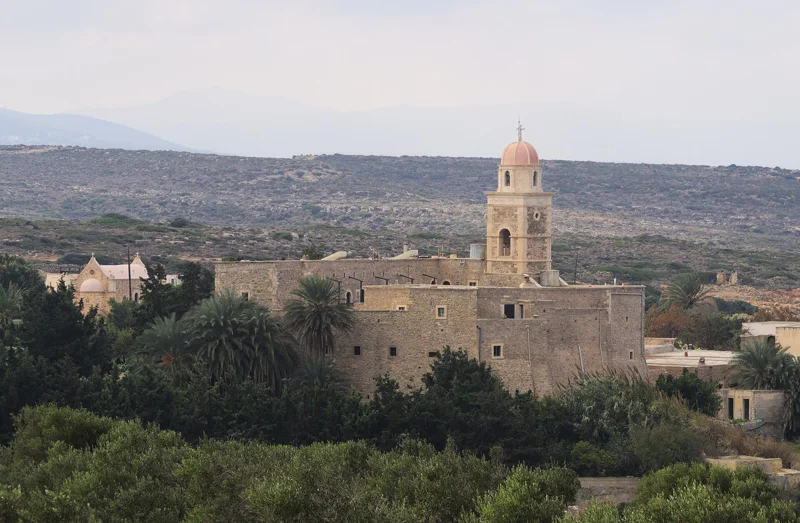
Toplou monastery between Sitia and Vai: a fortified 15th-century monastery with Kornaros's 1770 icon 'Great Art Thou, O Lord', a museum and a winery.

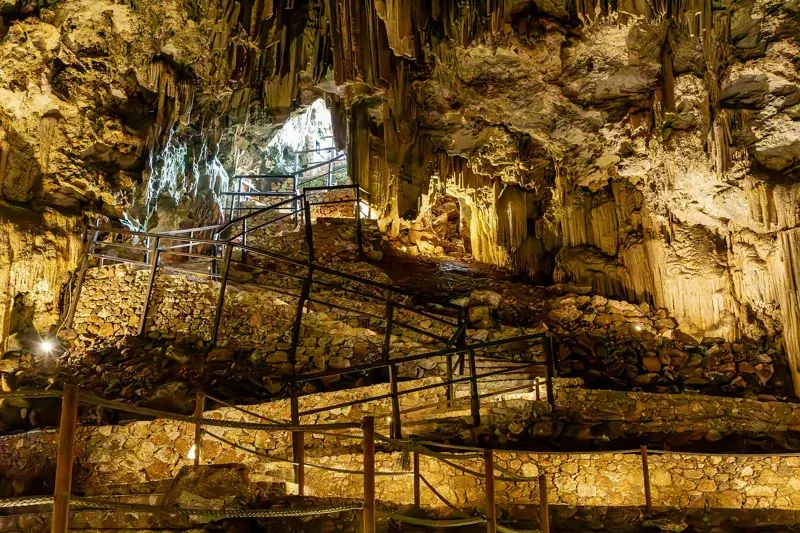
Melidoni cave near Rethymno: an ancient cult cave and the site of the 1824 tragedy, when about 400 villagers died, with an ossuary in its main hall.

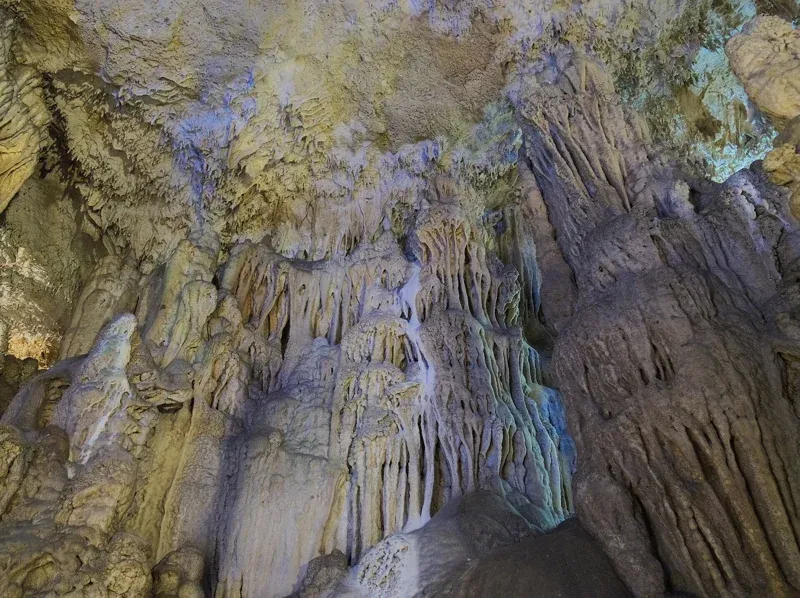
Sfendoni cave at Zoniana: 14 chambers, a lit 270 m walkway, 25–30 minute guided tours, €6 tickets, open daily mid-April to October.

Imbros gorge in Sfakia: about 8–11 km from Imbros village (700 m) to Komitades, roughly 3 hours, with a 1.6 m-wide narrows and taxis back.

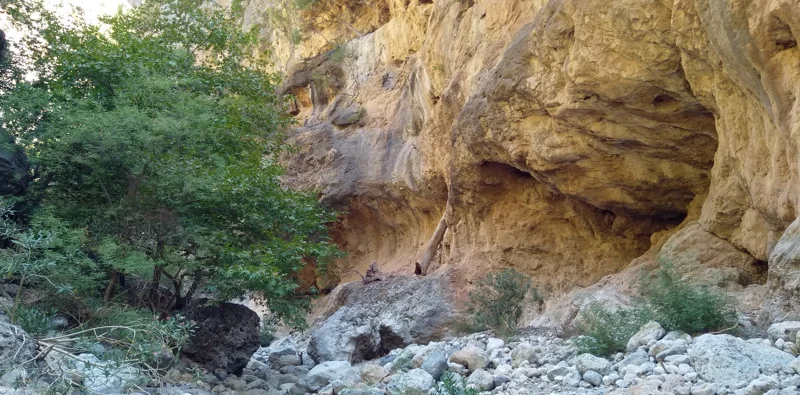
Agia Irini gorge in Selino: a 7.5 km, roughly 3-hour shaded walk from the White Mountains to the Libyan Sea, ending 45 minutes from Sougia.

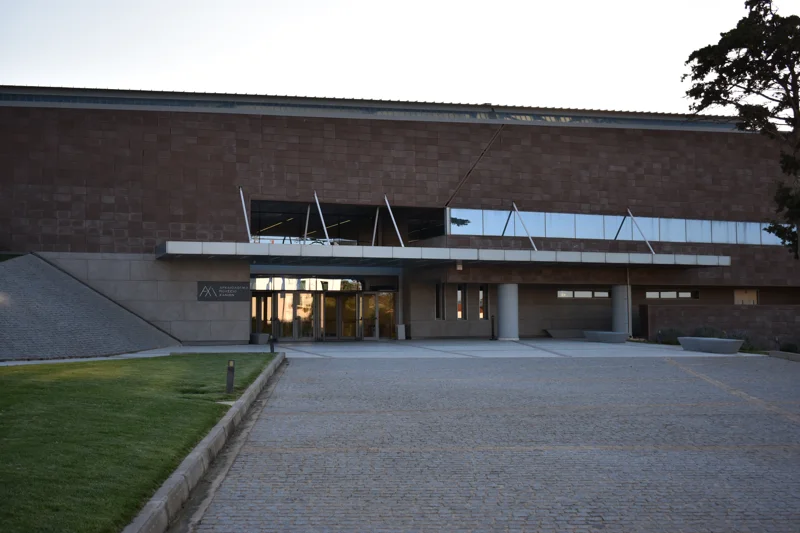
The new Archaeological Museum of Chania at 15 Skra St, Halepa: finds from prehistory to the 4th century AD, the Mitsotakis Collection, €15 tickets.

Discovering the Museums of Crete: A Journey into the Heart of the Island's History and Culture Crete, the largest of the…

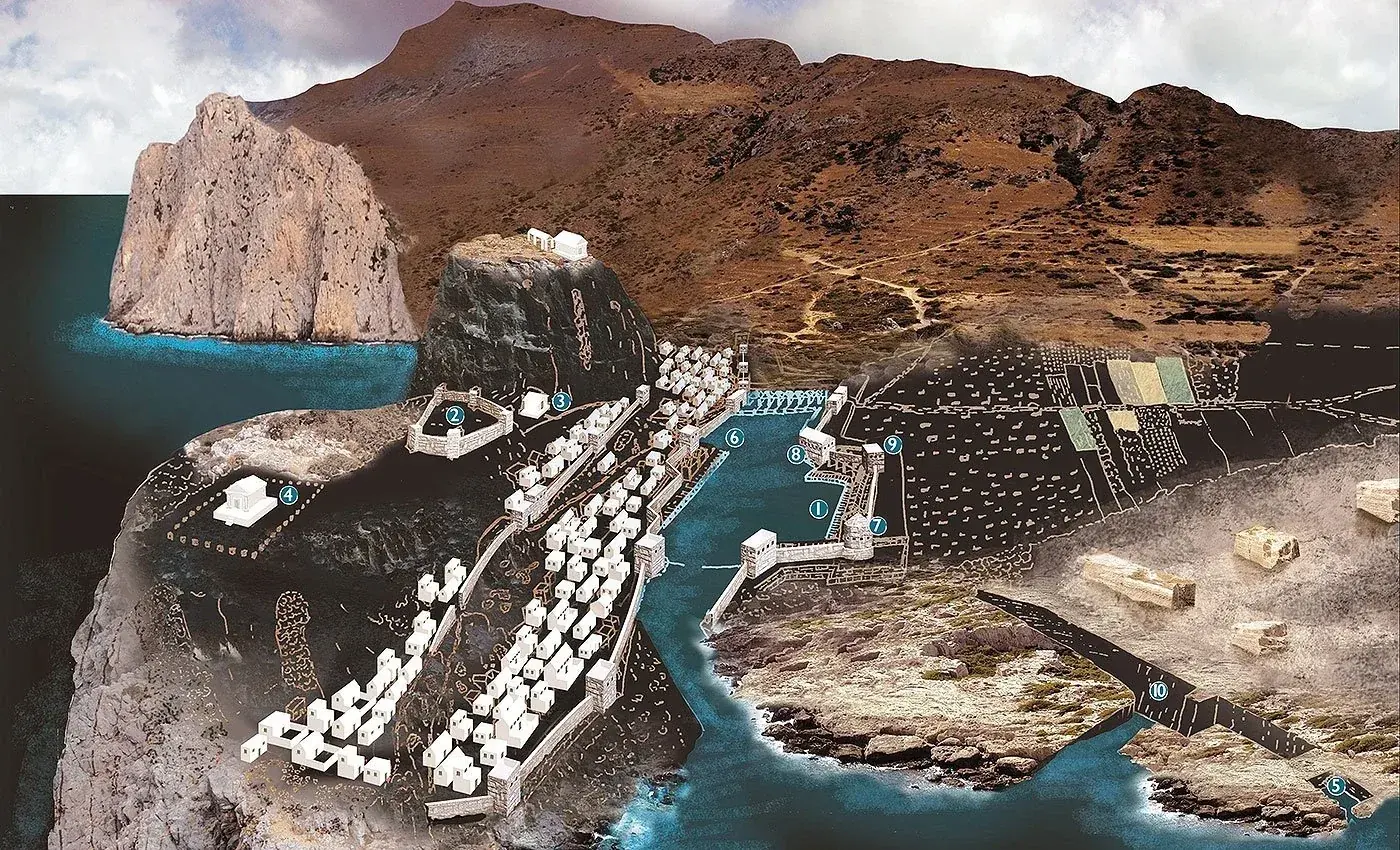
Falasarna was an ancient Greek city-state located at the western end of Crete.The area was inhabited from the Middle Minoan…